6th Grade-8th Grade Academics & Learning Models
(Monday-Wednesday)
READY: The Lighthouse Learning Pathfinders Pillars
Our middle school program is designed to ensure students are R.E.A.D.Y. for high school, leadership, and life—academically, socially, and emotionally. Middle school students also participate in advisory-style support, where they:
Set academic and personal goals
Track mastery progress
Reflect on learning
Receive coaching on time management and accountability
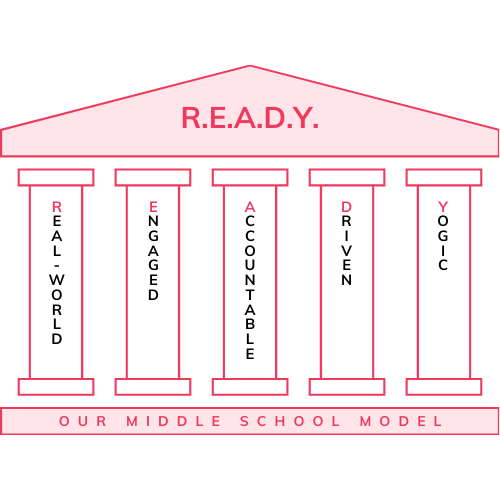
R — Real-World Ready
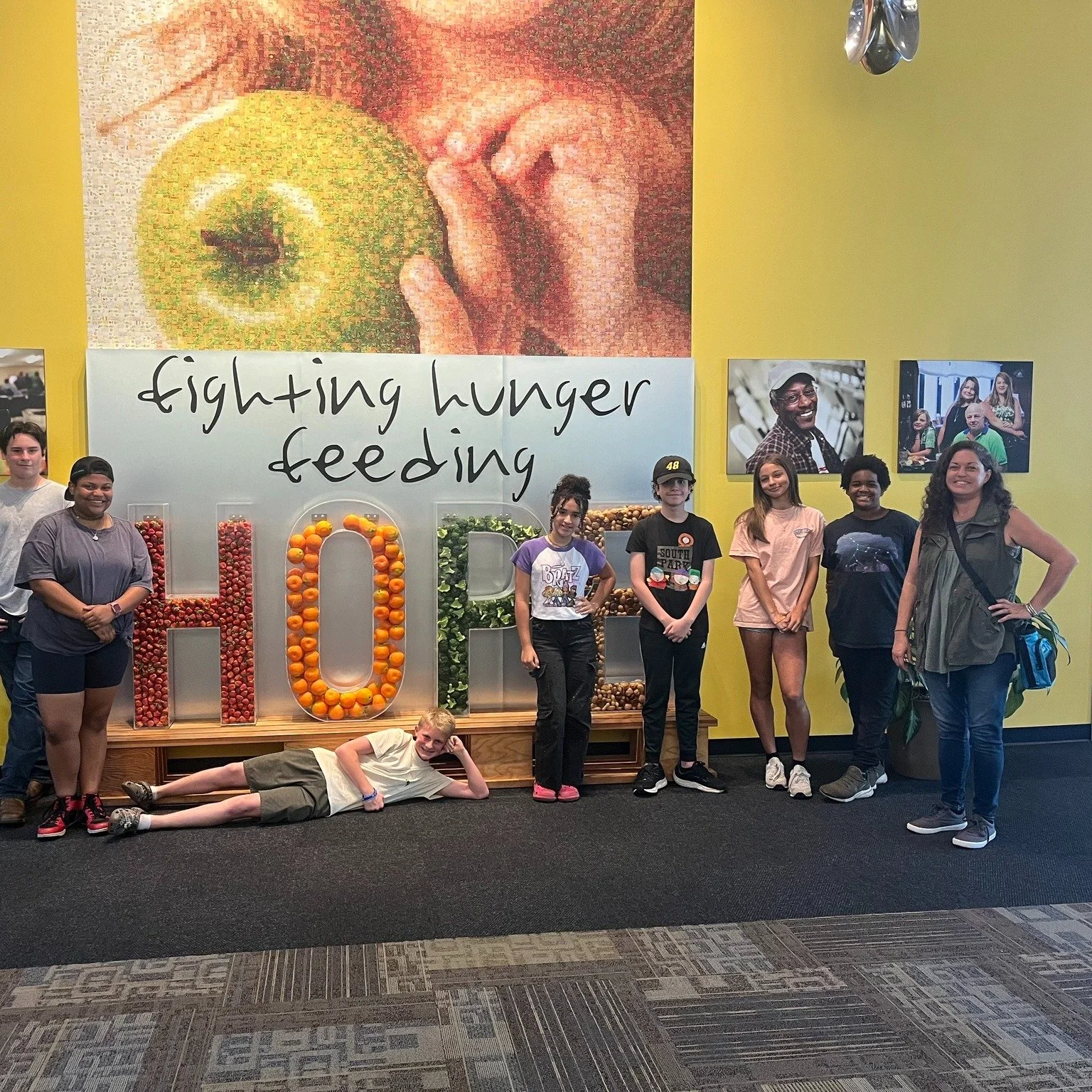
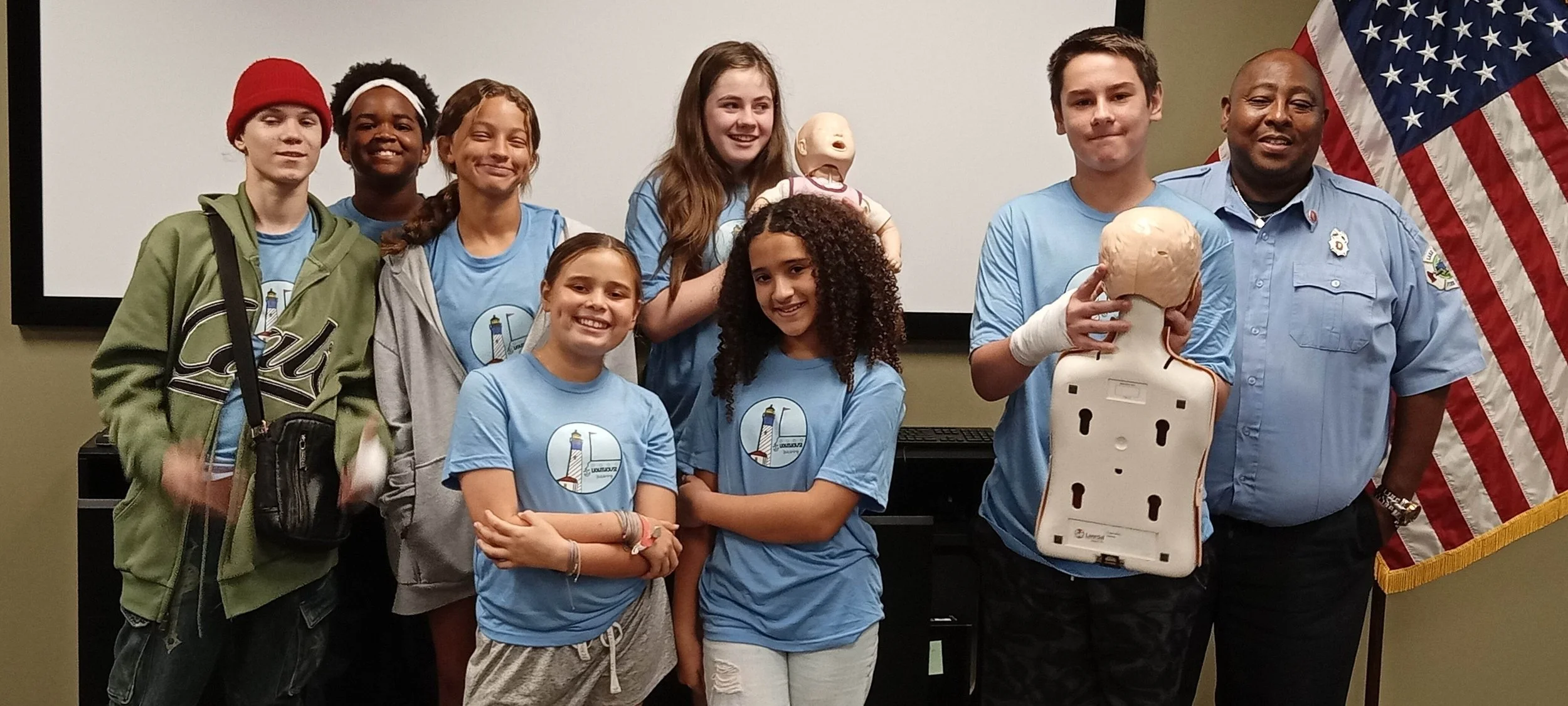
Students apply learning through project-based history, geography, applied science, and entrepreneurship. Learning is connected to real-world problems, audiences, and future pathways.
E — Engaged
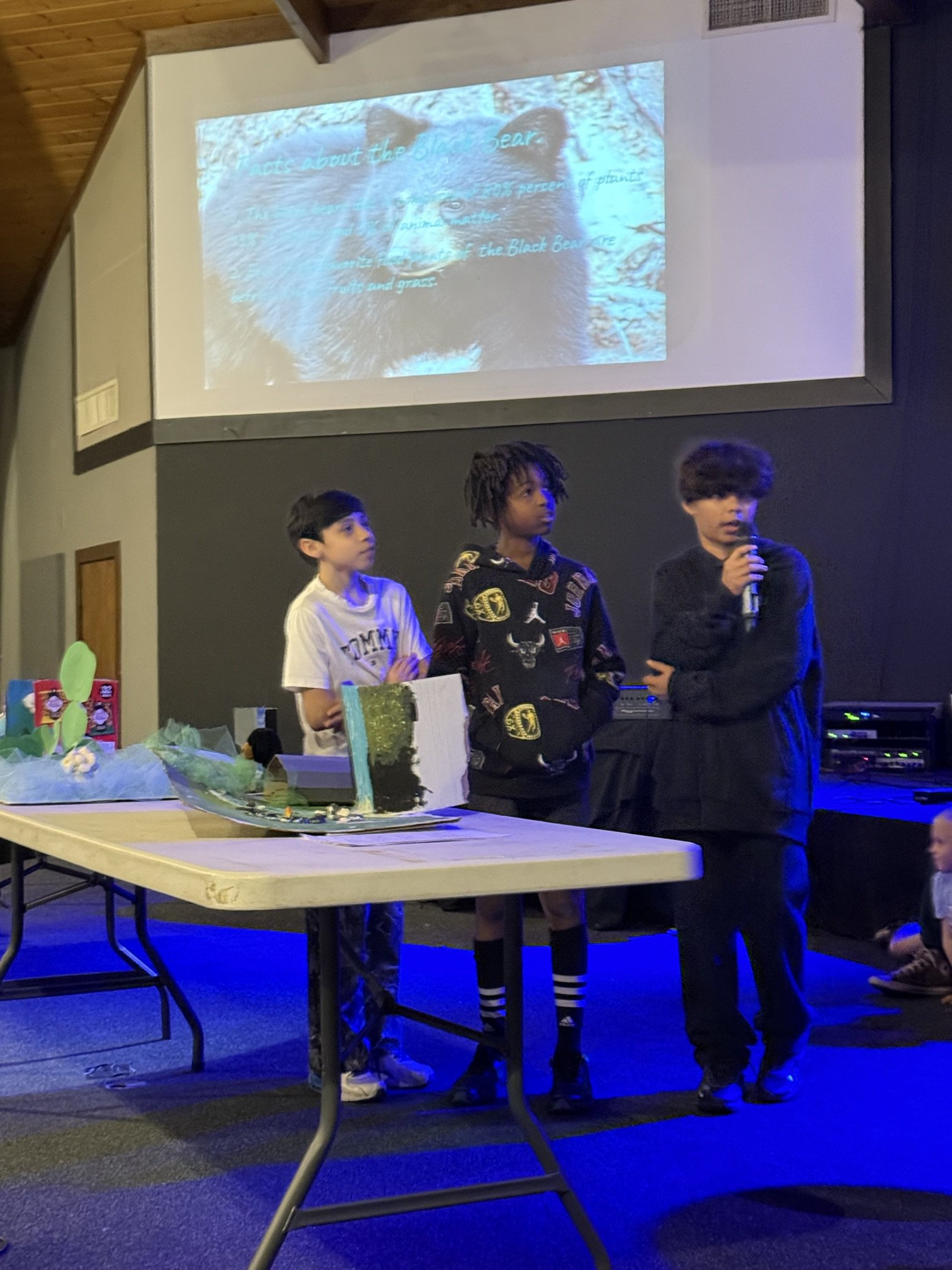
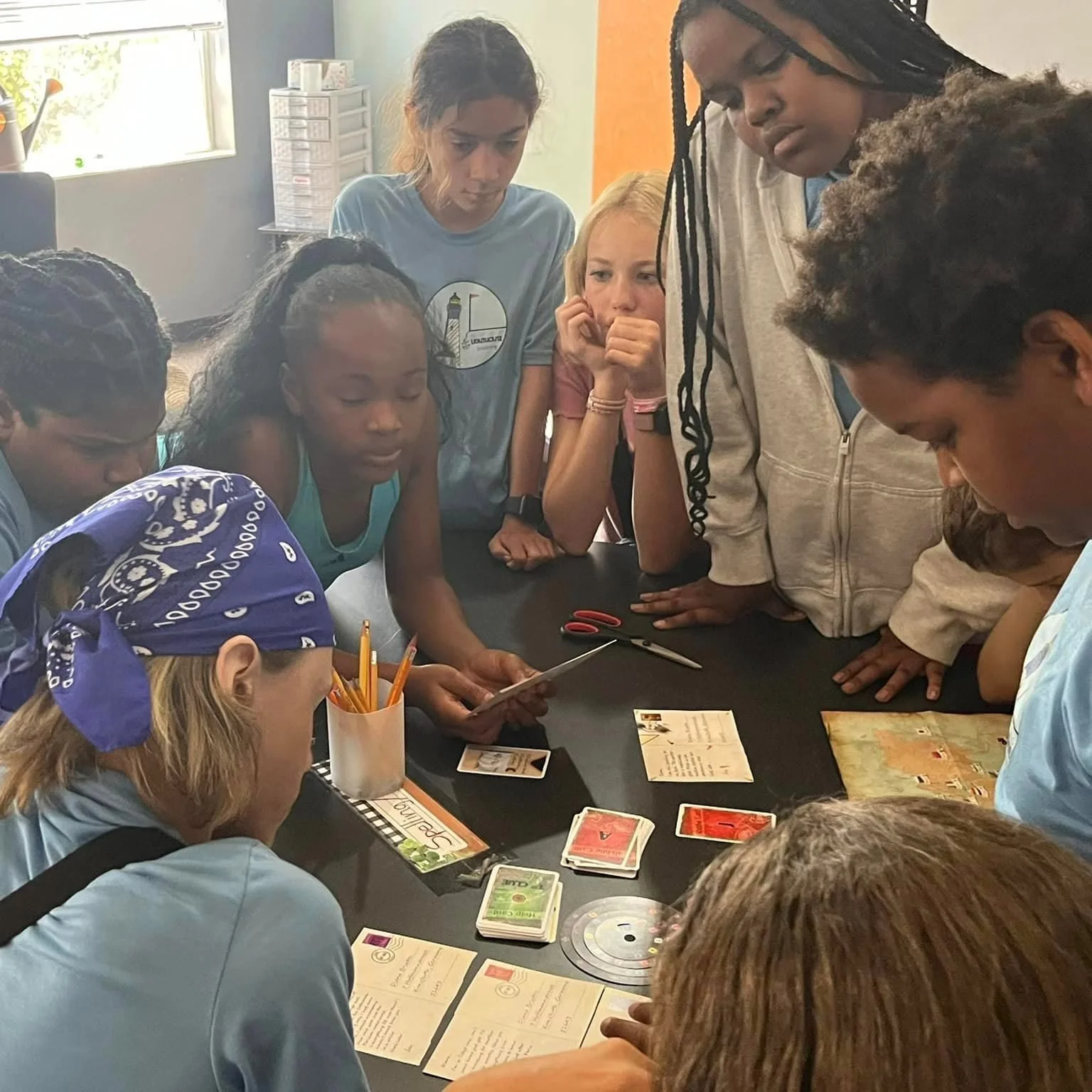
Students are active participants in learning through collaboration, discussion, hands-on projects, cultural days, and student showcases—building curiosity, confidence, and belonging.
A — Accountable
Students develop executive functioning skills through weekly planning, goal-setting, reflection, and self-advocacy, learning how to manage their time and responsibilities with support.
D — Driven
Students progress based on mastery—not seat time—building resilience, confidence, and motivation through high expectations paired with meaningful support with vocabulary growth for future SAT/ACT readiness,
Y — Yogic
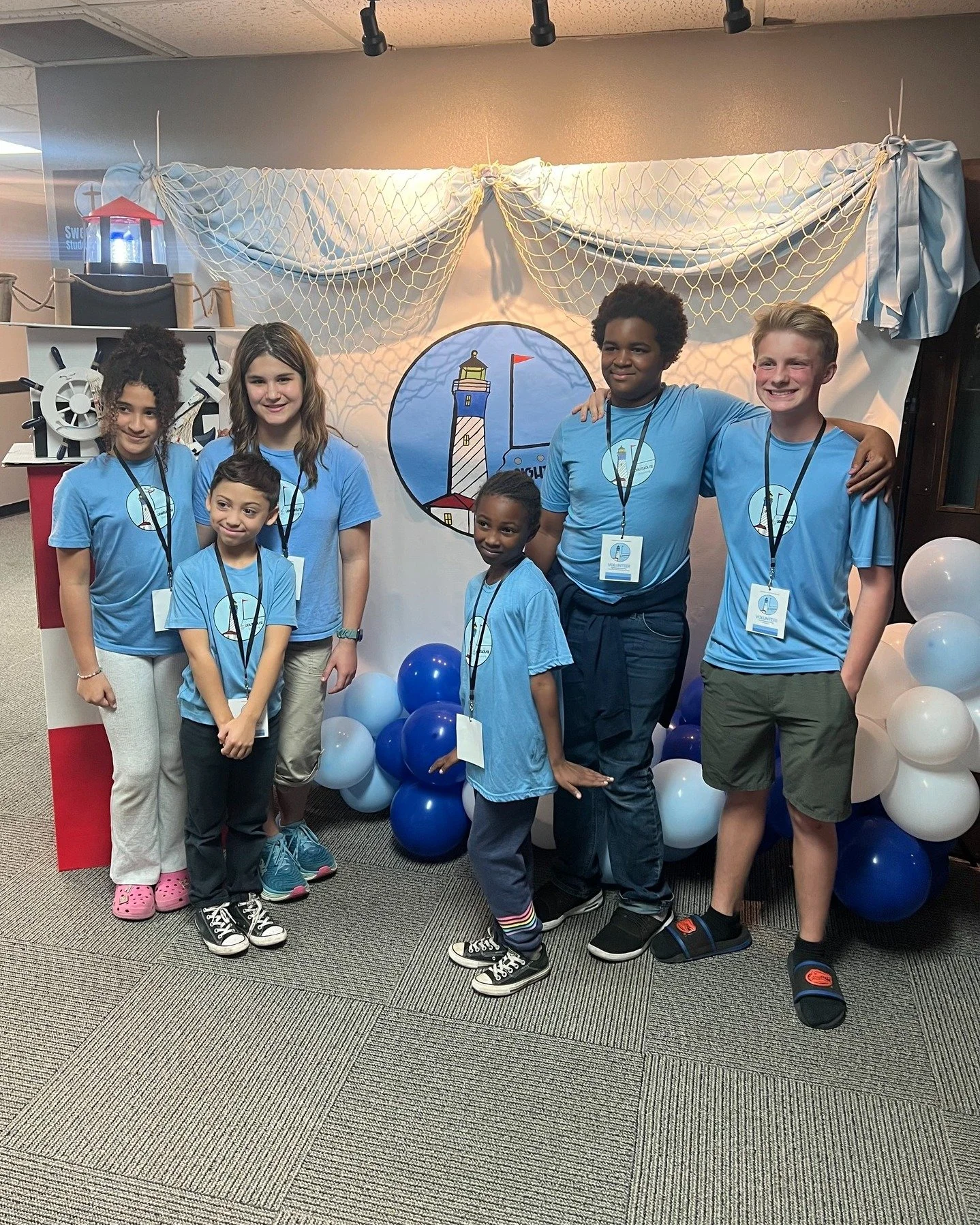
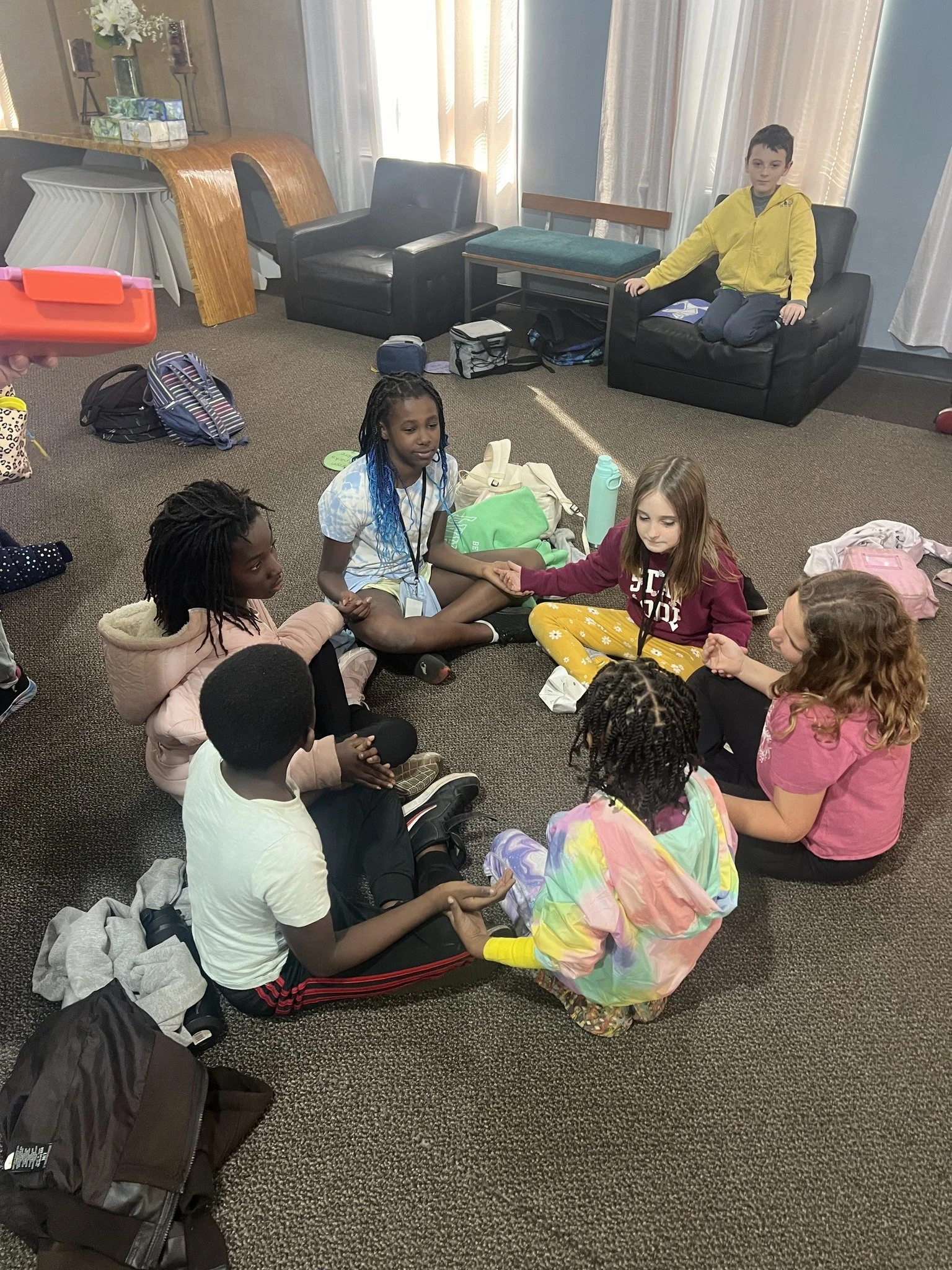
Students are disciplined, focused, and connected. This includes emotional regulation, leadership development, and service roles such as teacher aides, MVP Schoolwide Presentations, reading buddies, and peer mentors!
The READY Outcome
Pathfinders leave middle school as confident, independent learners—academically prepared, leadership-ready, and grounded in purpose.
Middle School Structure: Departmentalized & Purposeful Learning
Our Middle School Pathfinders program is departmentalized, allowing students to rotate between subject-specific teachers who bring depth, expertise, and intentional instruction to each content area. This structure supports independence, executive functioning, and readiness for high school.
English Language Arts (ELA)
Literature and language arts focus on building strong readers, writers, and communicators. Students engage with diverse texts—including novels, short stories, poetry, and drama—while developing reading comprehension, analytical writing, and public speaking skills.
Instruction integrates vocabulary development, grammar, spelling, and composition, with an emphasis on critical thinking. Through group discussion, projects, and literary analysis, students examine theme, character, and the author’s perspective to become thoughtful, independent learners. Technology is used to strengthen vocabulary, spelling, and grammar skills.
Math Lab
Math instruction is readiness-based rather than grade-based. Students are assessed to determine their current level of understanding and placed on an individualized learning track using technology-supported mastery.
Students receive direct instruction, small-group support, and guided practice, allowing teachers to address gaps, reinforce concepts, and challenge students appropriately. This blended model ensures deep understanding while supporting diverse learning needs.
Science
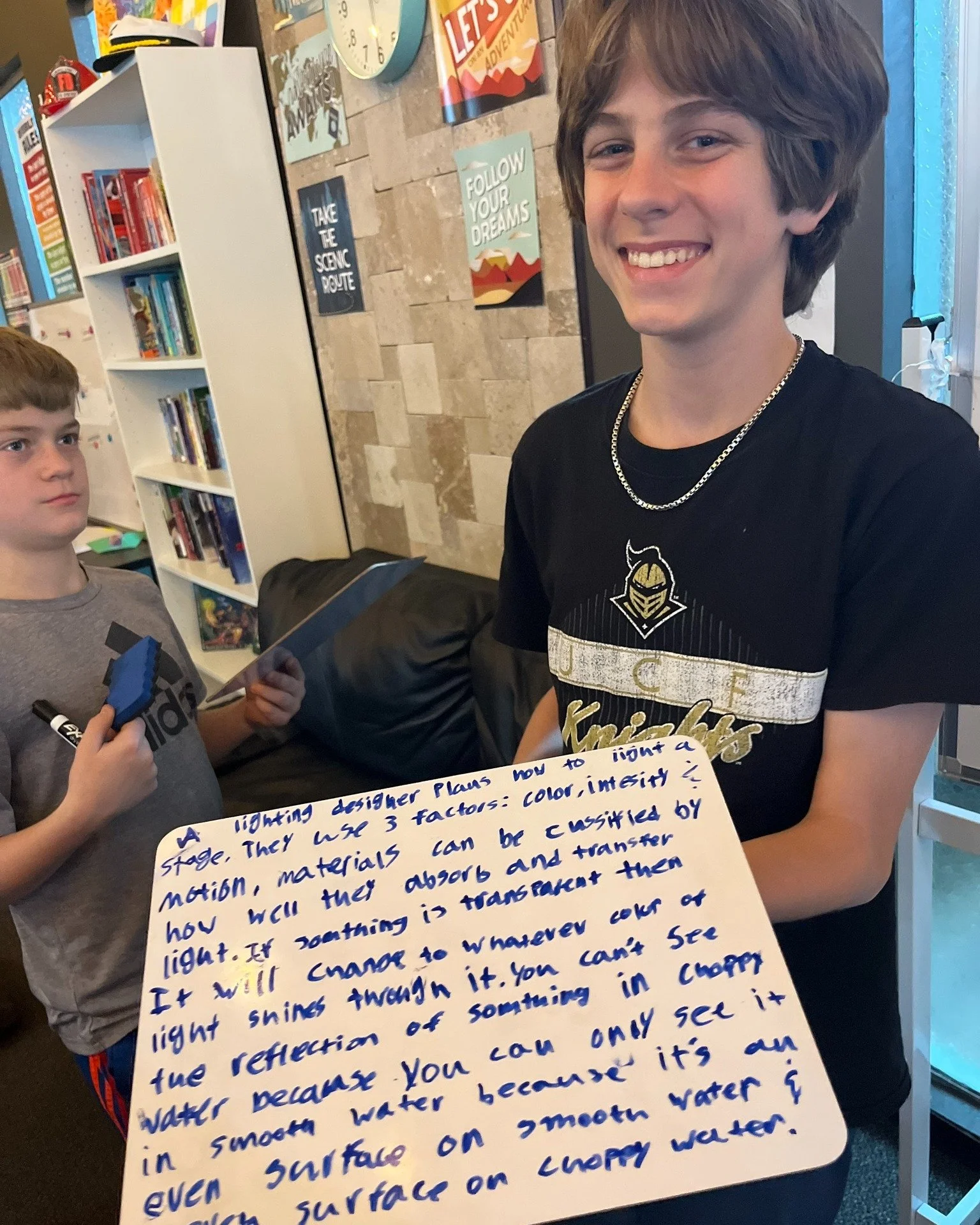
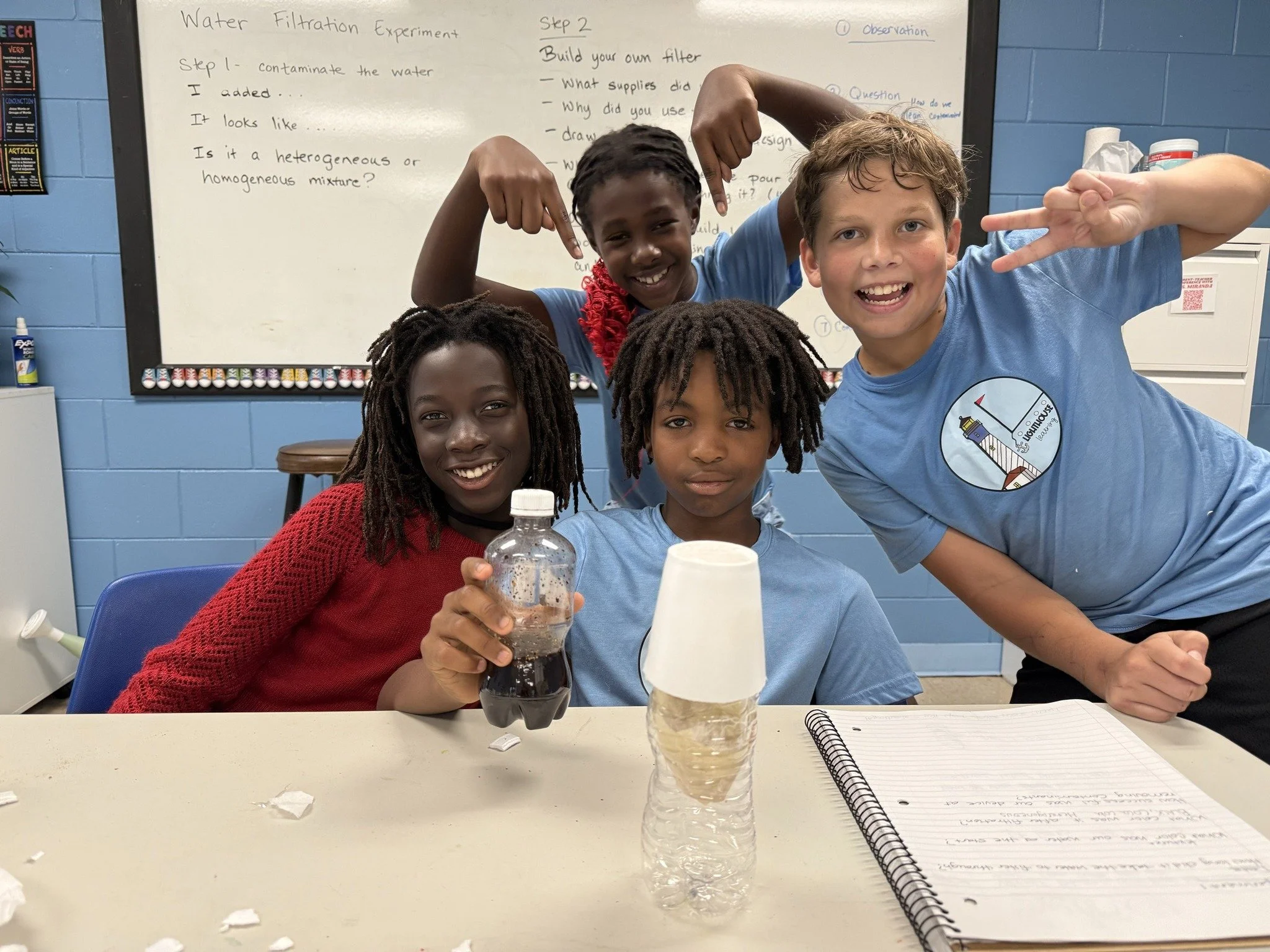
Science is taught as a hybrid course, combining structured instruction with hands-on exploration. Students participate in general science lessons alongside experiment-driven labs, data analysis, and inquiry-based learning.
Technology enhances instruction through computer-based review, analysis tools, and audio support to accommodate different learning styles and learning differences. Students are encouraged to think critically, ask questions, and develop curiosity—becoming capable scientific “wonderers.”
Social Studies
Social Studies follows a three-year classical education cycle, guiding students through the history of the world. Students explore ancient civilizations, the Industrial Revolution, the Modern Age, and the story of the United States within a global context.
Instruction emphasizes history and geography, with student-led discussion, research, and inquiry. Learning is expressed primarily through hands-on, project-based work, while also strengthening writing and test-taking skills. Curriculum is flexible to follow class interests and encourage deeper thinking. Students are further supported through adaptive learning tools and courseware for skill reinforcement.
A Thoughtful Transition to High School
This departmentalized structure builds academic strength while fostering independence, responsibility, and confidence—preparing students for the expectations of high school and beyond.
Why Students Thrive in This Model
✔ Encourages independence without removing support
✔ Builds confidence through mastery, not comparison
✔ Prepares students for high school expectations
✔ Develops critical thinking, planning, and leadership skills
✔ Honors different learning paces and styles
✔ Keeps learning engaging, relevant, and purposeful
Students learn how to learn—not just what to learn.