Kindergarten-5th Grade Academics & Learning Models
(Monday-Wednesday)
Our elementary academic program is built on our Enlightened Literacy and Guided Math Model, a mastery-based, walk-to-learn approach that prioritizes progress over grade level. Instead of grouping students strictly by age, we assess where each child is along the reading and math continuum and place students in ability-based groups designed to move them forward with confidence.
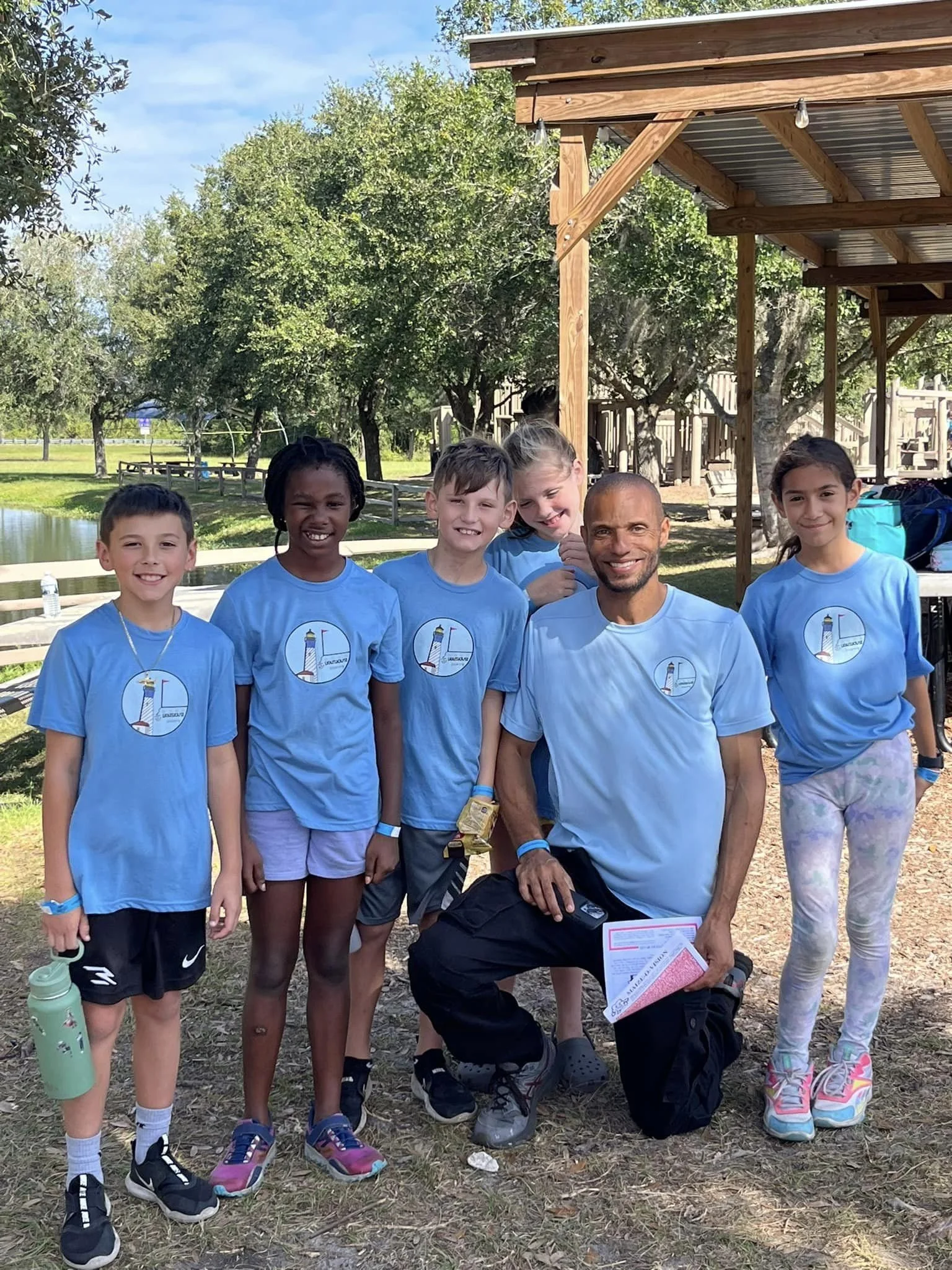
Our goal in the elementary years is to build strong academic foundations, a love of learning, and the confidence to take ownership of growth. At Lighthouse Learning, we intentionally balance personalized academics with strong peer relationships.
Enhanced Literacy Model & Guided Math Model
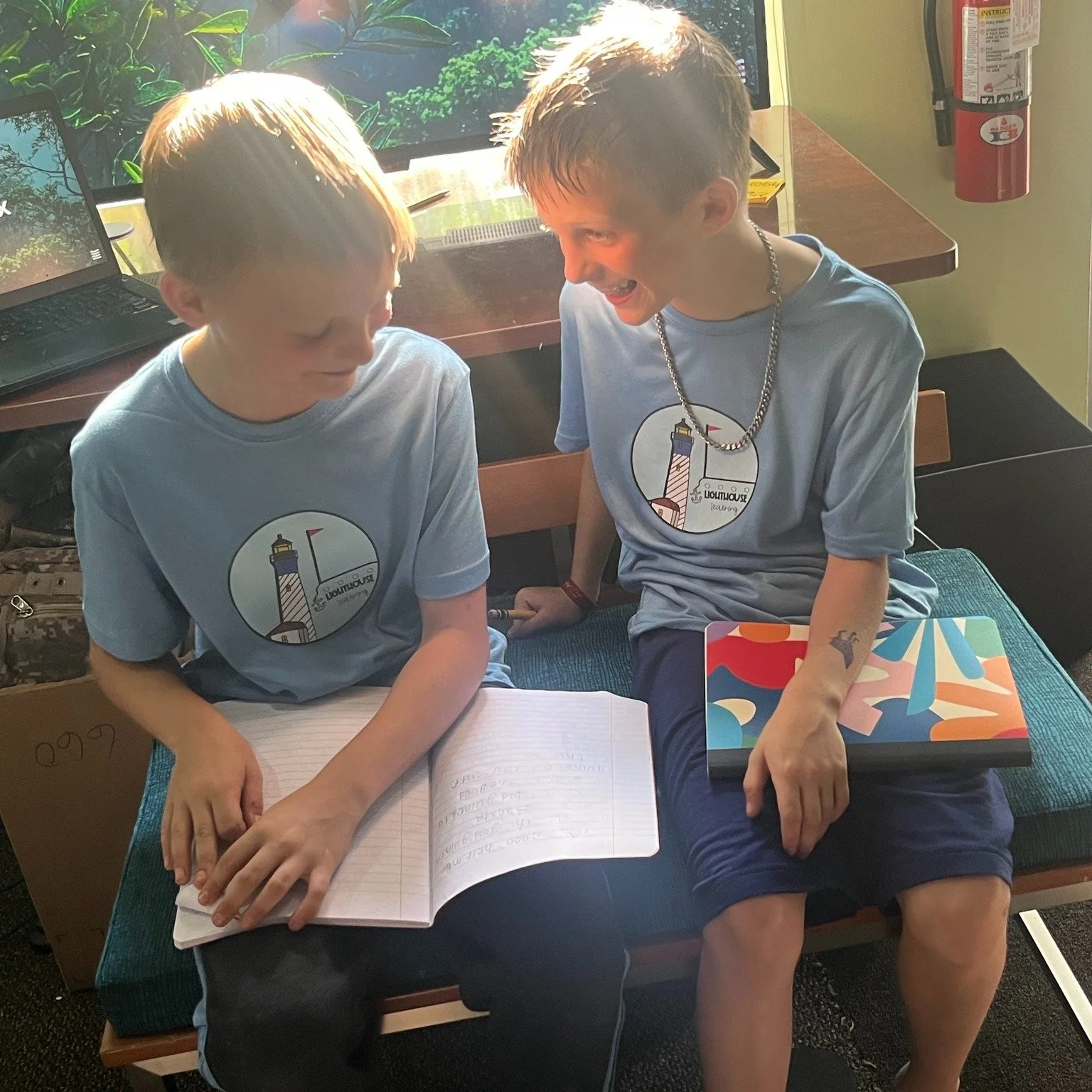
At Lighthouse Learning, our Enhanced Literacy Model is designed to meet students exactly where they are and move them forward with intention, precision, and confidence. Rather than relying on grade-level assumptions, we focus on how children actually learn to read and learn in developmental stages. Writing and spelling are leveled, as well.
In Guided Math, our students focus on skill-building assets to progress through the math continually.
Diagnostic Placement & Ongoing Progress Monitoring
Ability-Based Grouping & “Walk-to-Learn” Model
Small-Group Instruction Within a 2-Hour ELA Block

Ongoing Monitoring & Fluid Movement Through Stages
K-5 Enhanced Literacy Model
1. Diagnostic Placement & Ongoing Progress Monitoring
Every student begins with comprehensive pre-assessments in reading, writing, and spelling. These assessments allow us to identify each child’s current literacy stage and instructional needs. Each student progresses at their own pace through these stages based on mastery, not age or grade. Students move through six stages of reading development.
2. Ability-Based Grouping & “Walk-to-Learn” Model
Students are grouped by ability rather than grade level for literacy instruction. Through our walk-to-learn model, students move to the instructional group that matches their current reading stage. This ensures growth happens faster and with greater confidence. Students will also be utilizing the Exact Path Adaptive Learning Program through Edmentum to receive their own personalized learning path to work independently at their preferred pace.
1. Phonological Awareness
2. Phonics
3. Fluency
4. Vocabulary
5. Comprehension
6. Reading Extensions
3. Small-Group Instruction Within a 2-Hour ELA Block
Students receive daily literacy instruction within a 2-hour English Language Arts (ELA) block, intentionally designed to support deep learning and skill mastery.
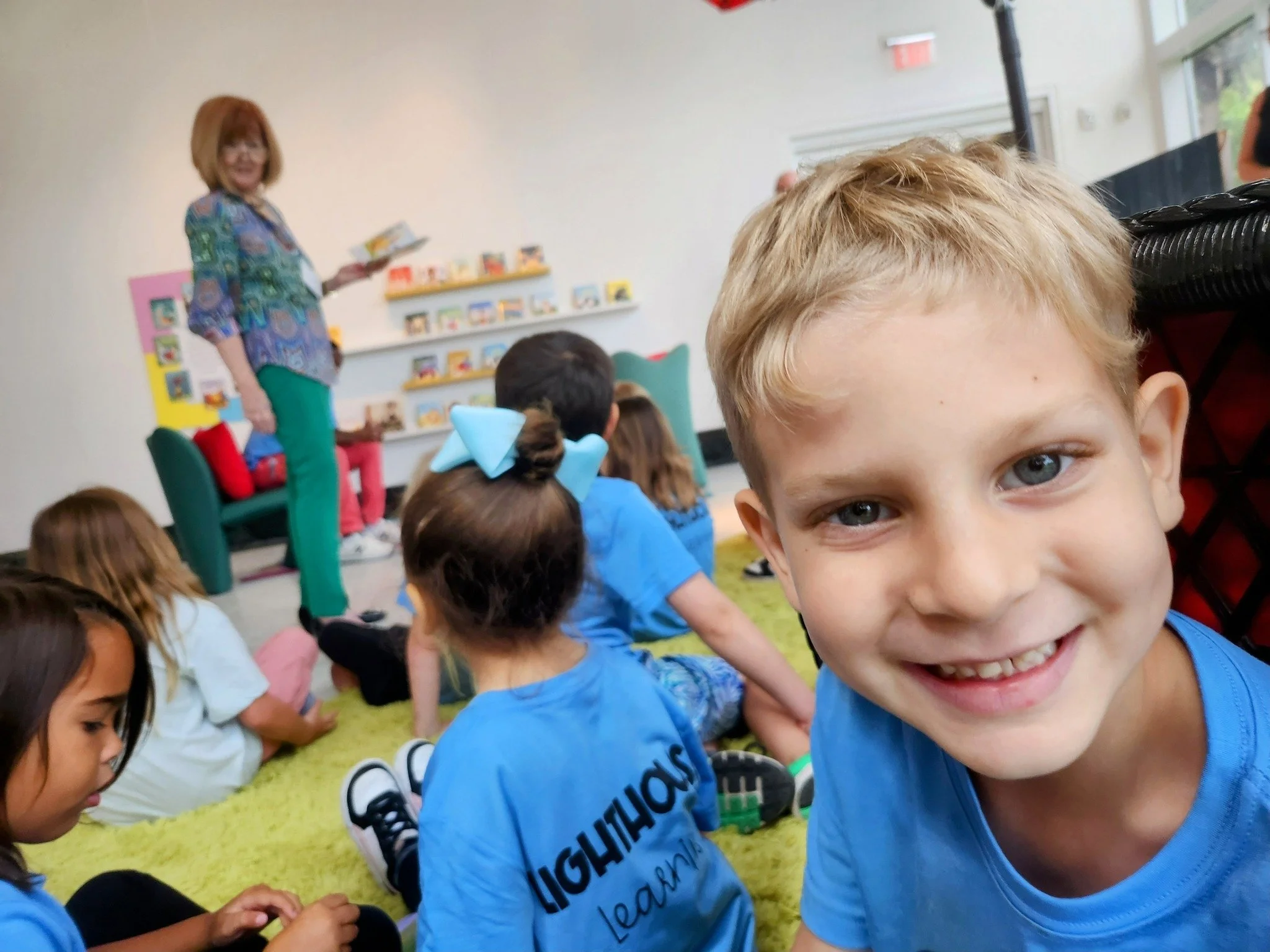
Within this block, students rotate through structured learning stations:
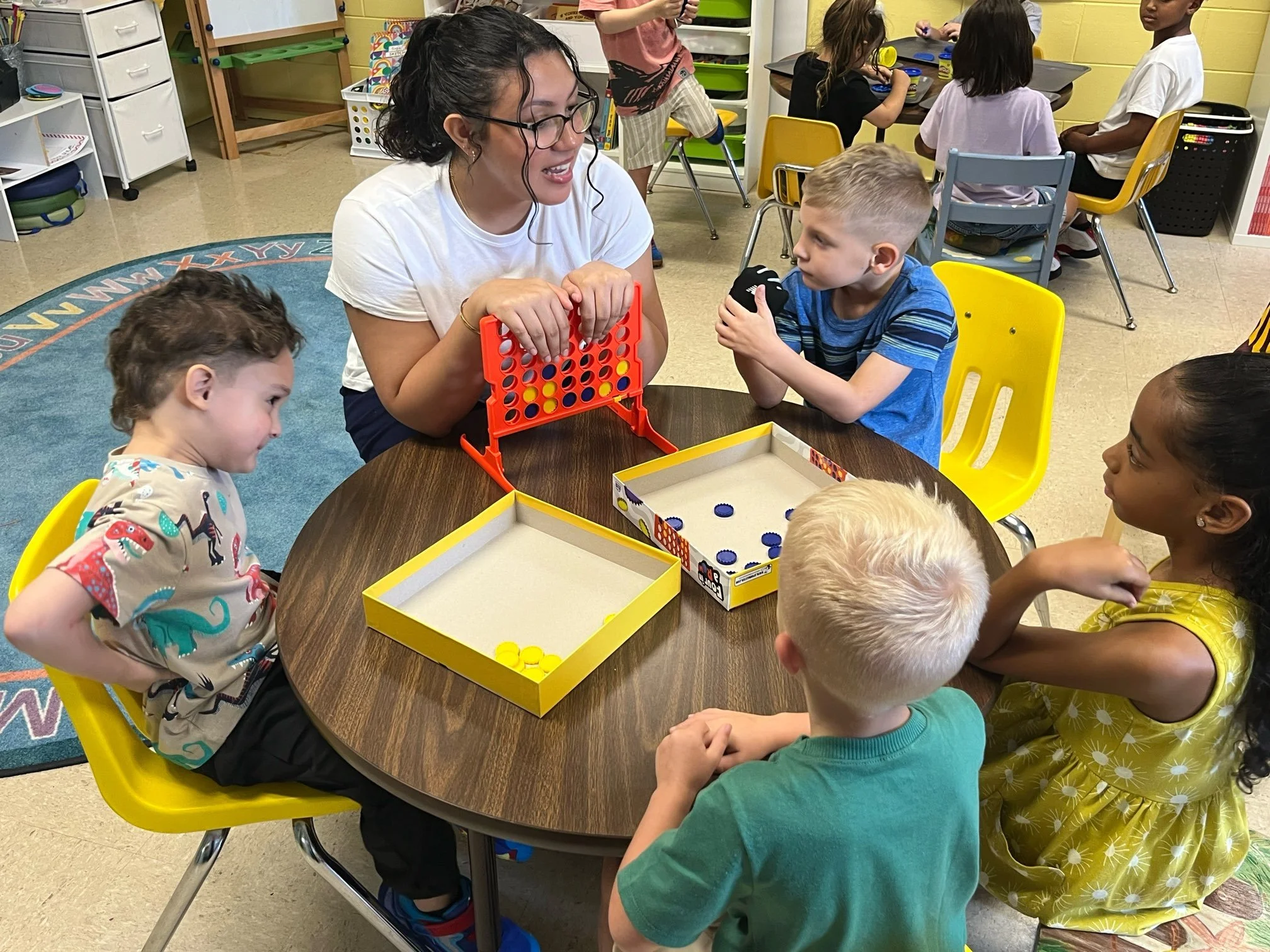
Teacher-led small group instruction
Guided reading and targeted skill work
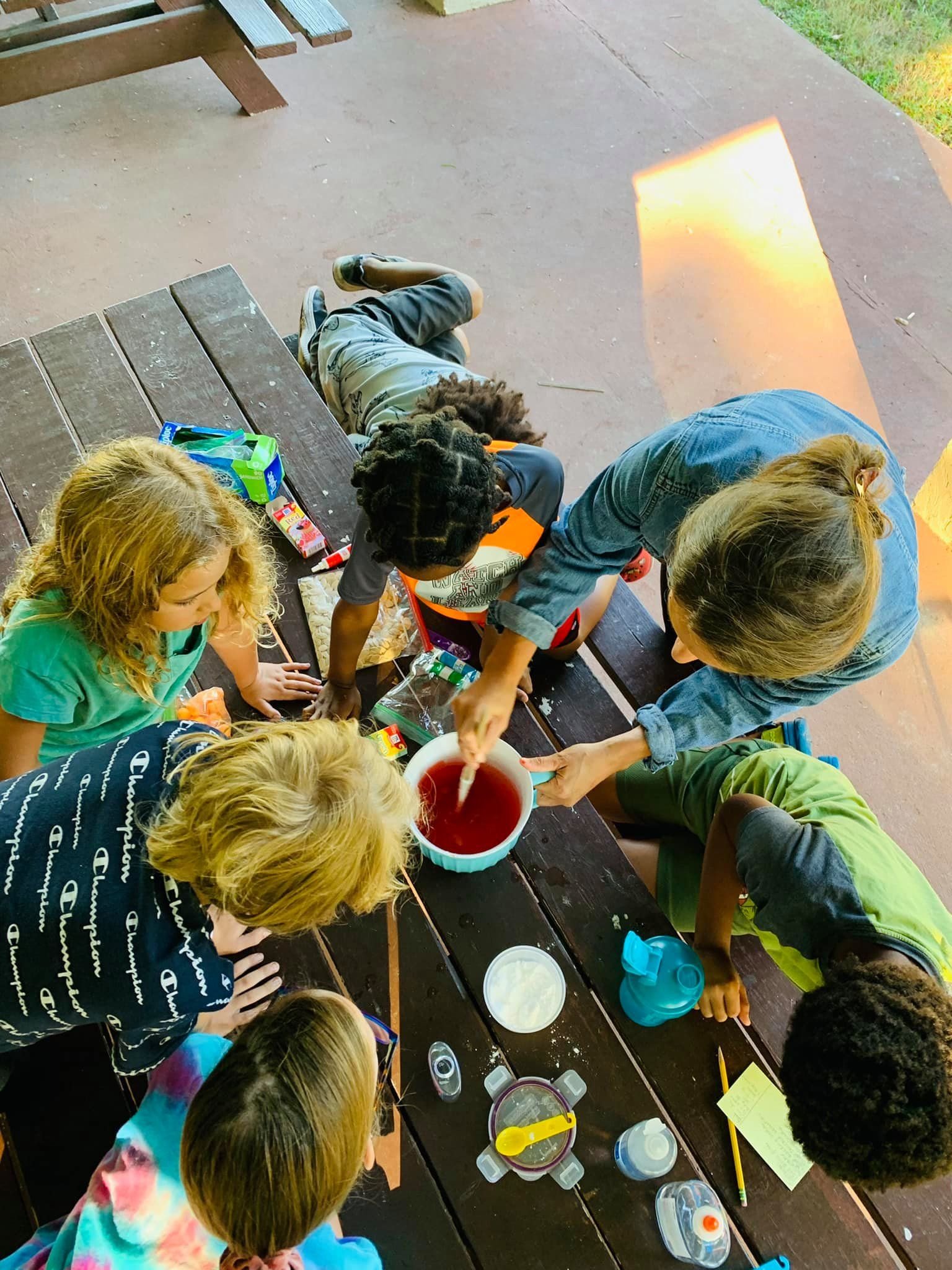
Hands-on, multisensory learning activities
Skill-based mastery practice
Collaboration and discussion
4. Ongoing Monitoring & Fluid Movement Through Stages
Student growth does not stop at placement. All students are continuously progress monitored through formative assessments, observation, and skill-based checks. As students demonstrate mastery of specific reading skills, they are able to fluidly move between stages of the Enhanced Literacy Model—sometimes advancing in one area while continuing to receive support in another.
K-5 Guided Math Model
Our math curriculum takes a traditional math scope and sequence and breaks it into smaller, focused learning booklets. Students move forward based on mastery, not time or grade level. Once a student demonstrates understanding of the skills within a booklet, they advance to the next one. Some students may complete multiple levels in a year, while others may take additional time to solidify foundational concepts—both paths are valued and supported.
Each level targets a specific set of skills and concepts, allowing students to:
Focus on one learning goal at a time
Experience success through short-term, achievable milestones
Build confidence without feeling rushed or stuck
1. Placement Through Assessment & Teacher Collaboration
Math placement begins with an intentional assessment process designed to identify what a student has already mastered and where targeted instruction is needed. Students will also be utilizing the Exact Path Adaptive Learning Program through Edmentum to receive a personalized learning path to work independently at their own pace.
2. Ability-Based Grouping & “Walk-to-Learn” Model
Students are grouped by ability rather than grade level for math instruction. Through our walk-to-learn model, students move to the instructional group that matches their current reading stage. This ensures Growth happens faster and with greater confidence
3. Small-Group Instruction Within a 90-Minute Math Block
Students receive daily math instruction, intentionally designed to support deep learning and skill mastery.
Small-group, teacher-led instruction
Independent practice using targeted learning material
Skill reinforcement and review
Support and check-ins to ensure understanding
4. Ongoing Progress Monitoring & Flexible Advancement
Students are continuously progress monitored through formative assessments, observations, and skill checks. As mastery is demonstrated, students may fluidly advance through levels, sometimes progressing faster in certain areas while receiving additional support in others.
K-5 Social Studies: Project-Based Learning Through History & Geography
Social Studies is taught through a project-based learning model with a strong emphasis on history and geography. Students remain with their same-age homeroom peers, creating a shared learning experience rooted in collaboration, discussion, and exploration of the world around them.
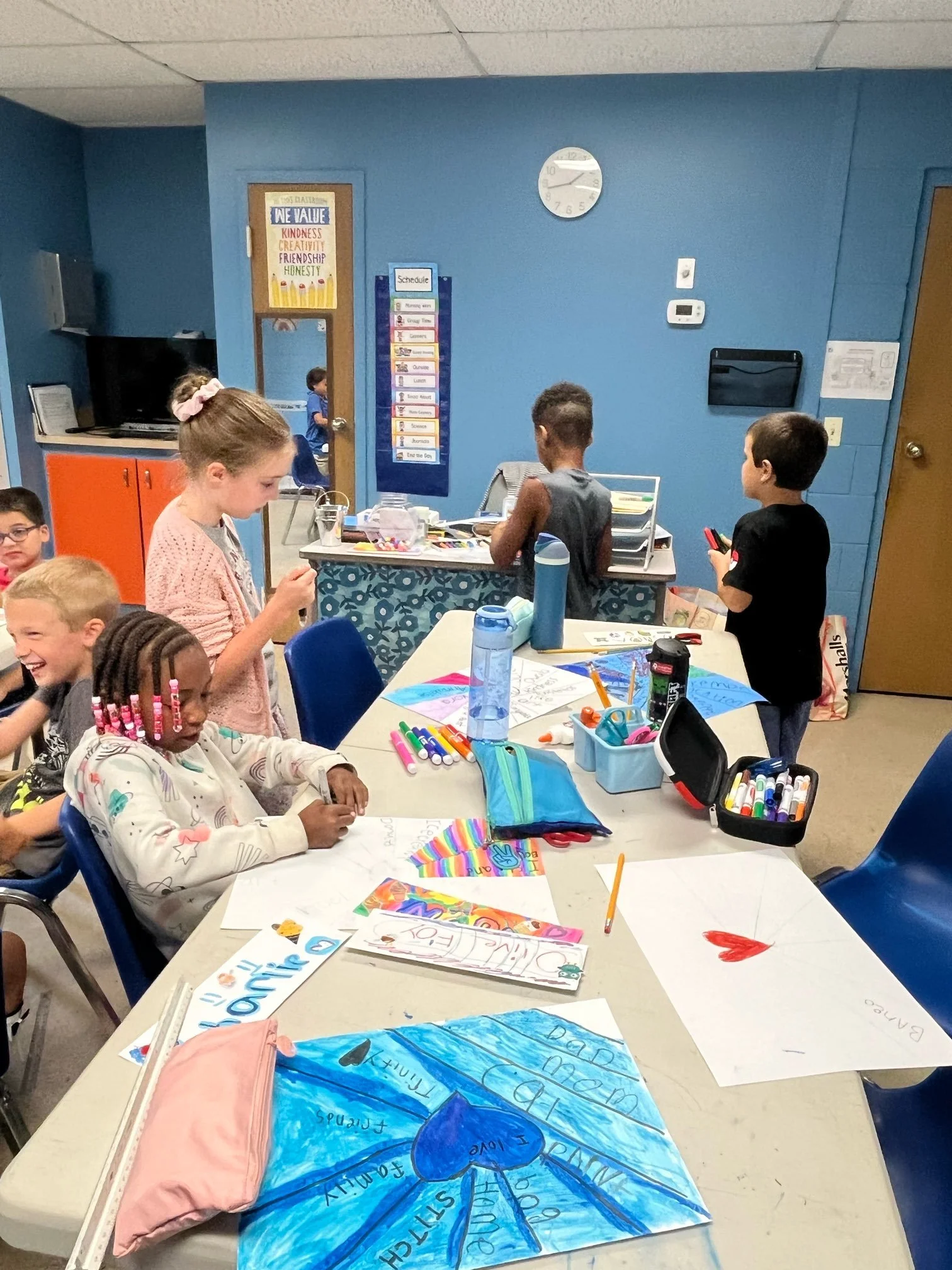
Throughout the year, students engage in hands-on projects, inquiry-based research, and interactive learning experiences that deepen their understanding of cultures, civilizations, historical events, and global connections. Learning culminates in student showcases, presentations, and cultural celebration days, where students share their knowledge through creative projects, performances, and displays.
In addition to academic learning, social studies intentionally integrates social-emotional development, helping students build communication skills, empathy, leadership, and a strong sense of belonging within their peer group. This structure allows students to grow academically at their own pace while still forming meaningful friendships and learning alongside peers their own age.
Why Students Thrive With Our “Walk-to-Learn” Model
✔ Personalized instruction in reading and math
✔ Progress is noted and celebrated as the child moves through the stages of learning
✔ No “one-size-fits-all” academics
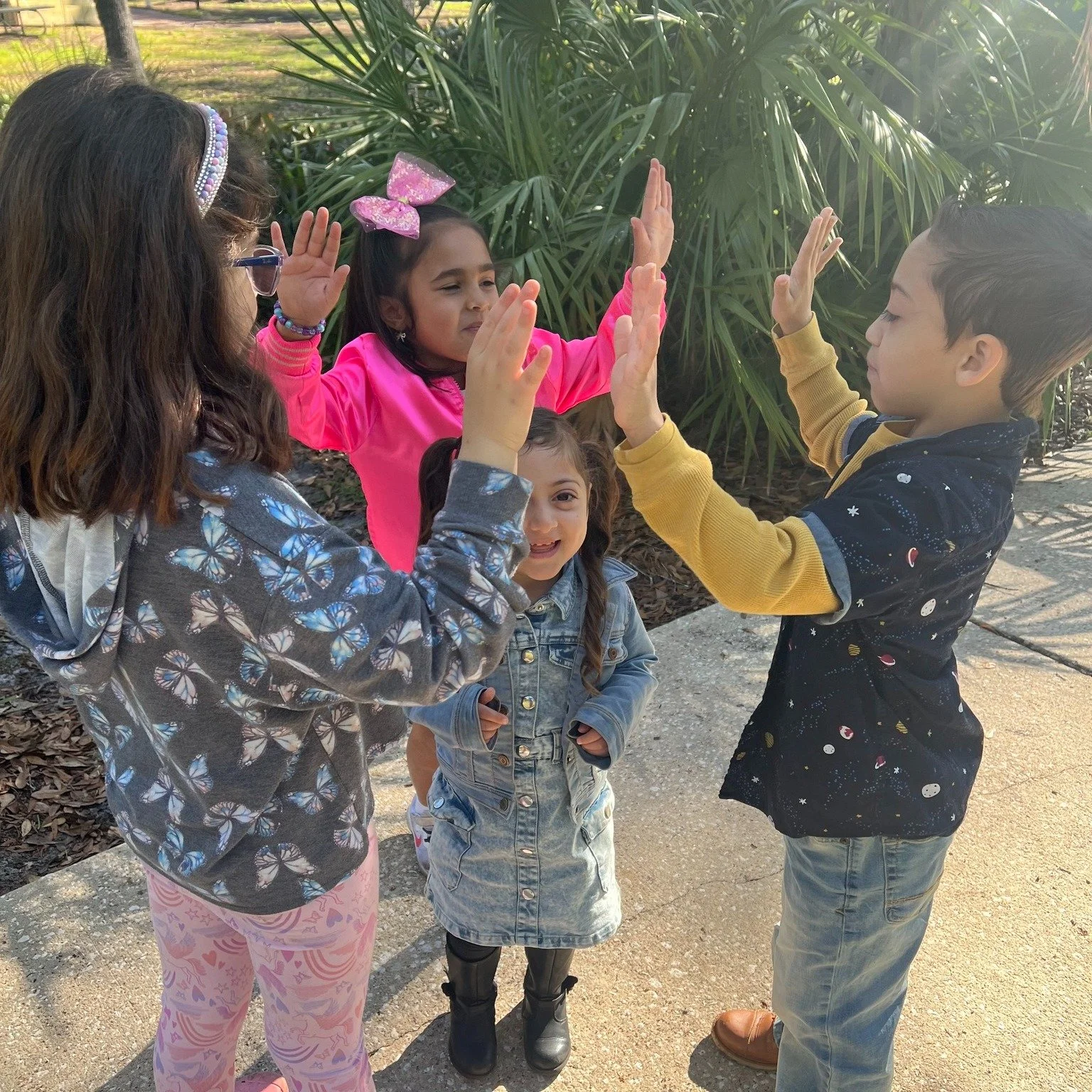
✔ Strong peer relationships and classroom community
✔ Collaborative, hands-on learning experiences
✔ Confidence-building through mastery and belonging
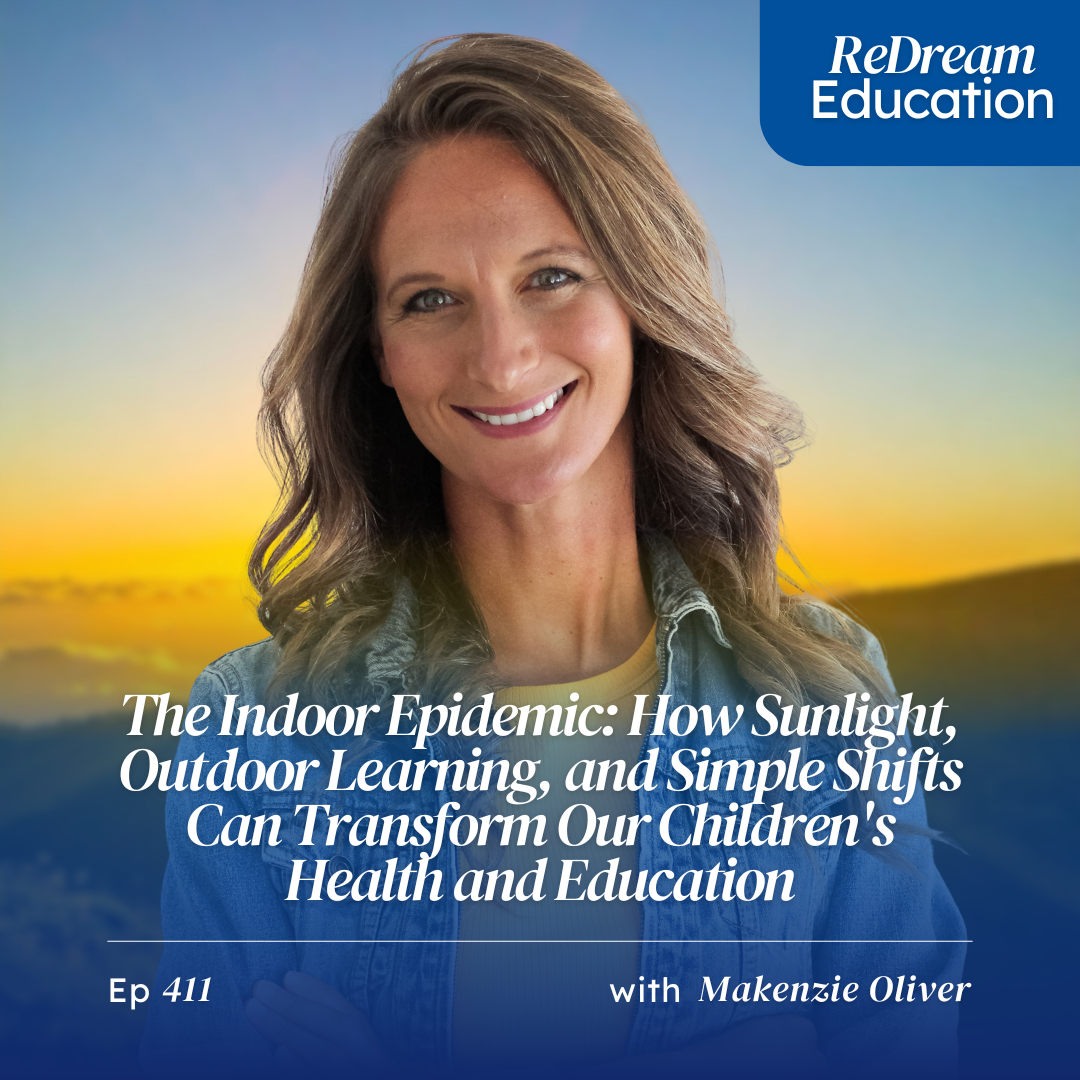
Learn More About Our Mission On Our Podcast
Hosted by Makenzie Oliver, our founder!
Episode 414: Why One-Size-Fits-All Reading Fails: How We Use Phonics, Data, and Flexible Grouping to Help Every Child Succeed
What if reading instruction wasn’t based on grade level—but on what your child actually needs? In this episode, we break down how Lighthouse Learning Microschool uses a tailored, research-based approach to reading through phonics-based progression, intentional assessment, and our walk-to-learn model.
Using the UFLI Foundations framework, we group students based on skill level rather than age, allowing each child to receive targeted instruction in phonics, reading, writing, and spelling at the level they are ready for. Every three weeks, we reassess and adjust groups, ensuring students are continually progressing and supported.