A Different Kind of School
for Families Looking for Something More Personal
Our Philosophy
Lighthouse Learning is a K–8 microschool and homeschool hybrid in Longwood, Florida, serving families throughout the Greater Orlando area, with plans to expand to high school in 2028.
We were built around a simple belief:
Children deserve to be known, challenged, supported, and given the opportunity to keep moving forward.
For some families, Lighthouse becomes an alternative to a traditional school environment that no longer feels like the right fit.
For others, Lighthouse becomes the missing piece in their homeschool journey…providing strong academics, experienced teachers, meaningful peer relationships, enrichment, structure, and community without giving up the flexibility they value.
And for many families, Lighthouse offers something in between.
Not traditional school. Not homeschool alone. Not simply a co-op.
A structured, intentionally small learning community designed around how children actually learn.
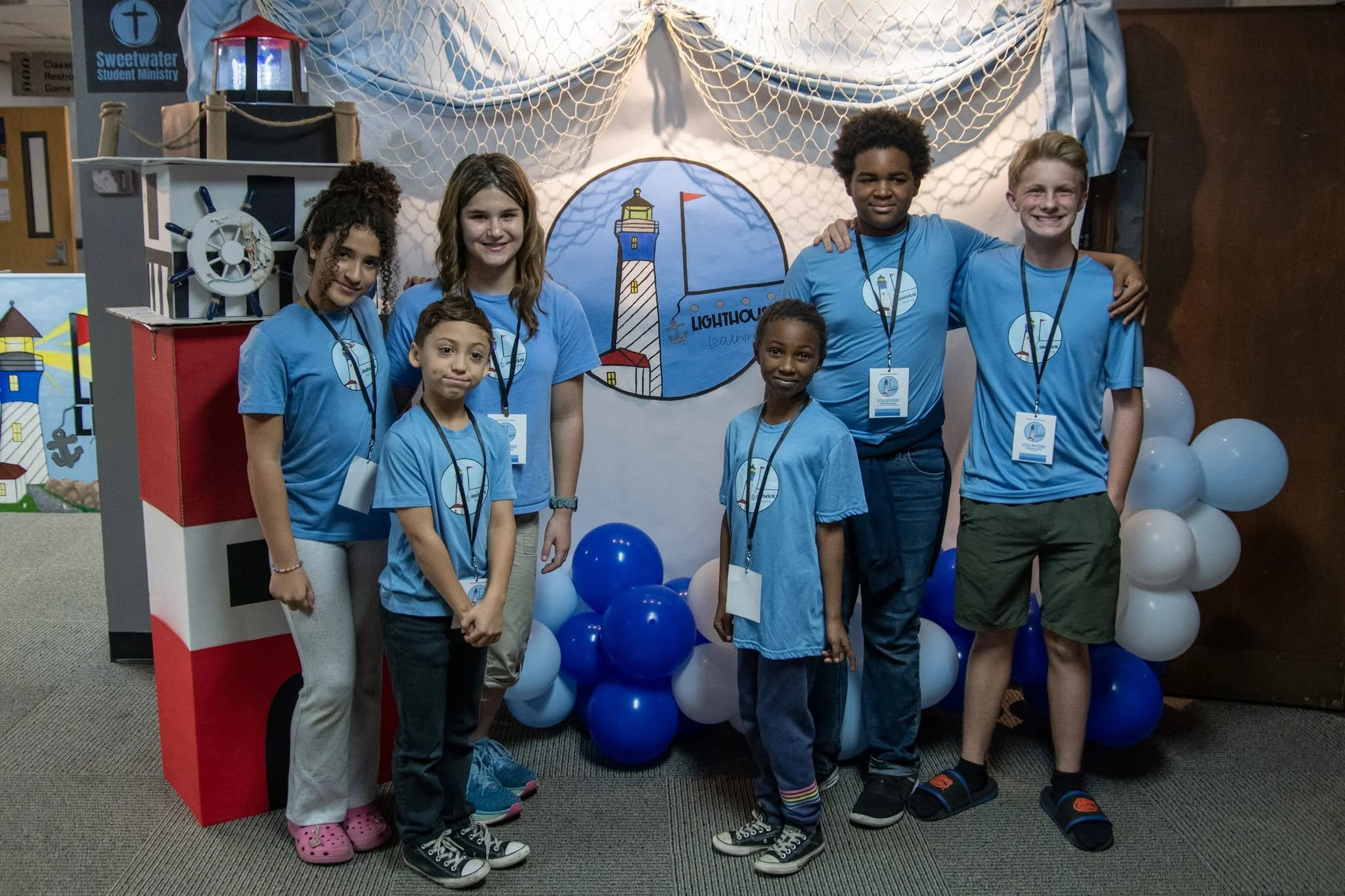
A microschool is a smaller, more personalized learning environment that combines the structure, relationships, and academic support of school with the flexibility and individualization often associated with homeschooling.
At Lighthouse, being a microschool does not mean doing less. It allows us to be more intentional. Students have teachers, curriculum, academic expectations, routines, assessment, enrichment, friendships, and a consistent school community.
What looks different is the scale.
Because our environment is intentionally smaller, teachers have more opportunities to know their students, observe how they learn, identify what they have mastered, recognize where they need additional support, and adjust instruction accordingly.
For us, microschooling is not simply about having fewer students in a room.
It is about creating an educational model where relationships, flexibility, strong academics, and meaningful learning can coexist.
What is a Microschool?
Traditional classrooms often group children primarily by age.
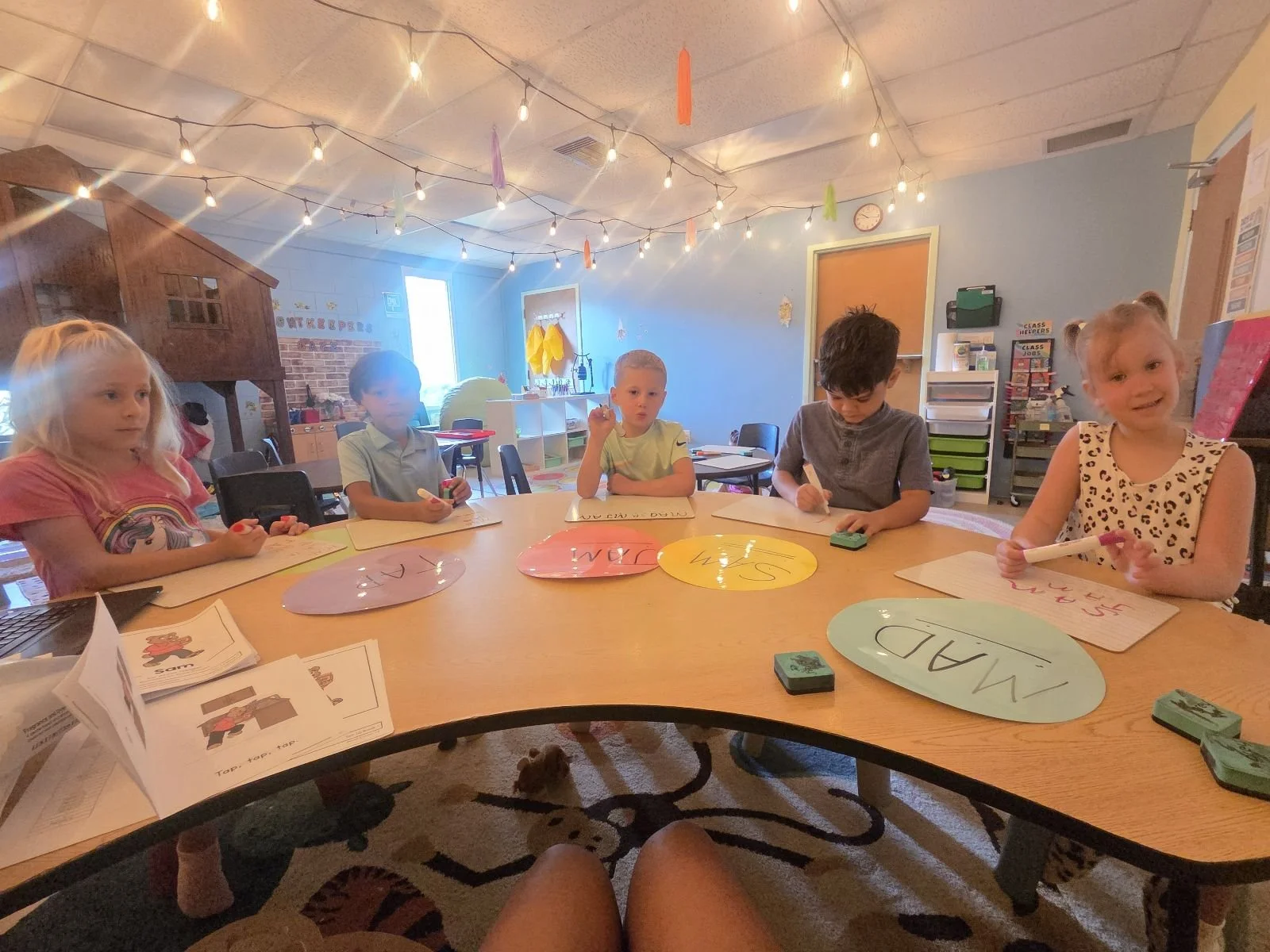
At Lighthouse Learning, we recognize that students do not always develop academically at exactly the same pace. That is why we created our Walk-to-Learn model.
During Reading and Math, K–5 students may transition into flexible instructional groups based on their current academic readiness, skill development, and instructional needs rather than remaining limited to one level simply because of the grade printed beside their name.
A student may be ready for greater challenge in Reading while still strengthening foundational skills in Math.
Another student may master a skill quickly and be ready to move forward.
Another may benefit from additional practice before advancing.
As students grow and demonstrate mastery, their instructional groups can change.
These groups are not permanent labels or tracks.
The goal is not to move children “up” or “down.”
The goal is to move every child forward.
This model allows our teachers to do something educators often wish they had more freedom to do: Teach the students in front of them instead of teaching only to the middle of the room.
Why We Walk-to-Learn
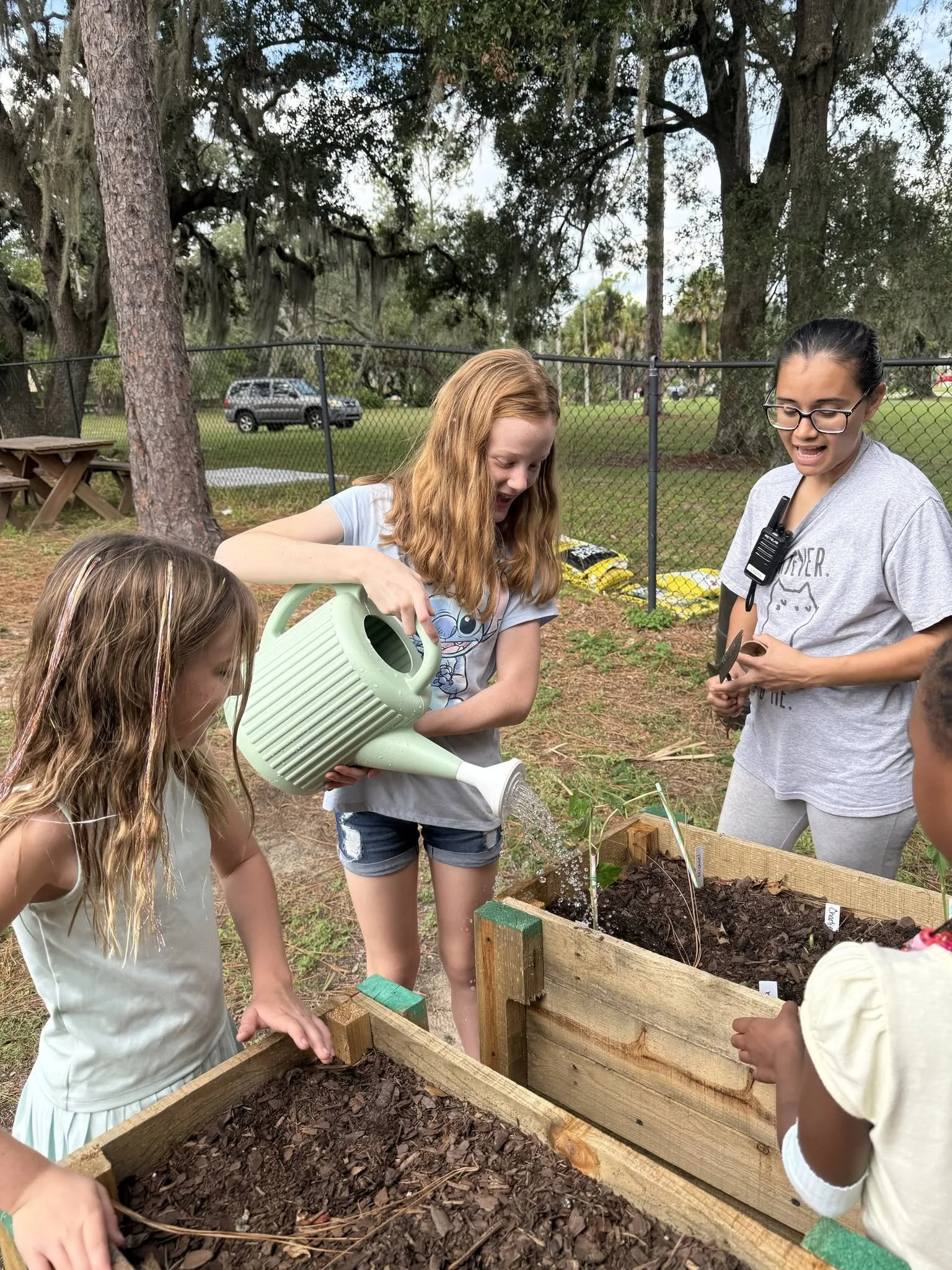
Personalization begins with knowing the student.
We believe children learn differently when they feel that the adults around them truly know them.
What motivates them. What frustrates them. Where they are confident. Where they hesitate. What they love. What they are ready to tackle next.
Strong teacher-student relationships allow educators to notice changes, celebrate growth, challenge students appropriately, and help children develop greater confidence and independence.
That is one of the reasons our small-school environment matters so much.
Students are not simply names on a roster…They are part of a community.
Relationships Matter
What We Believe About Children and Learning
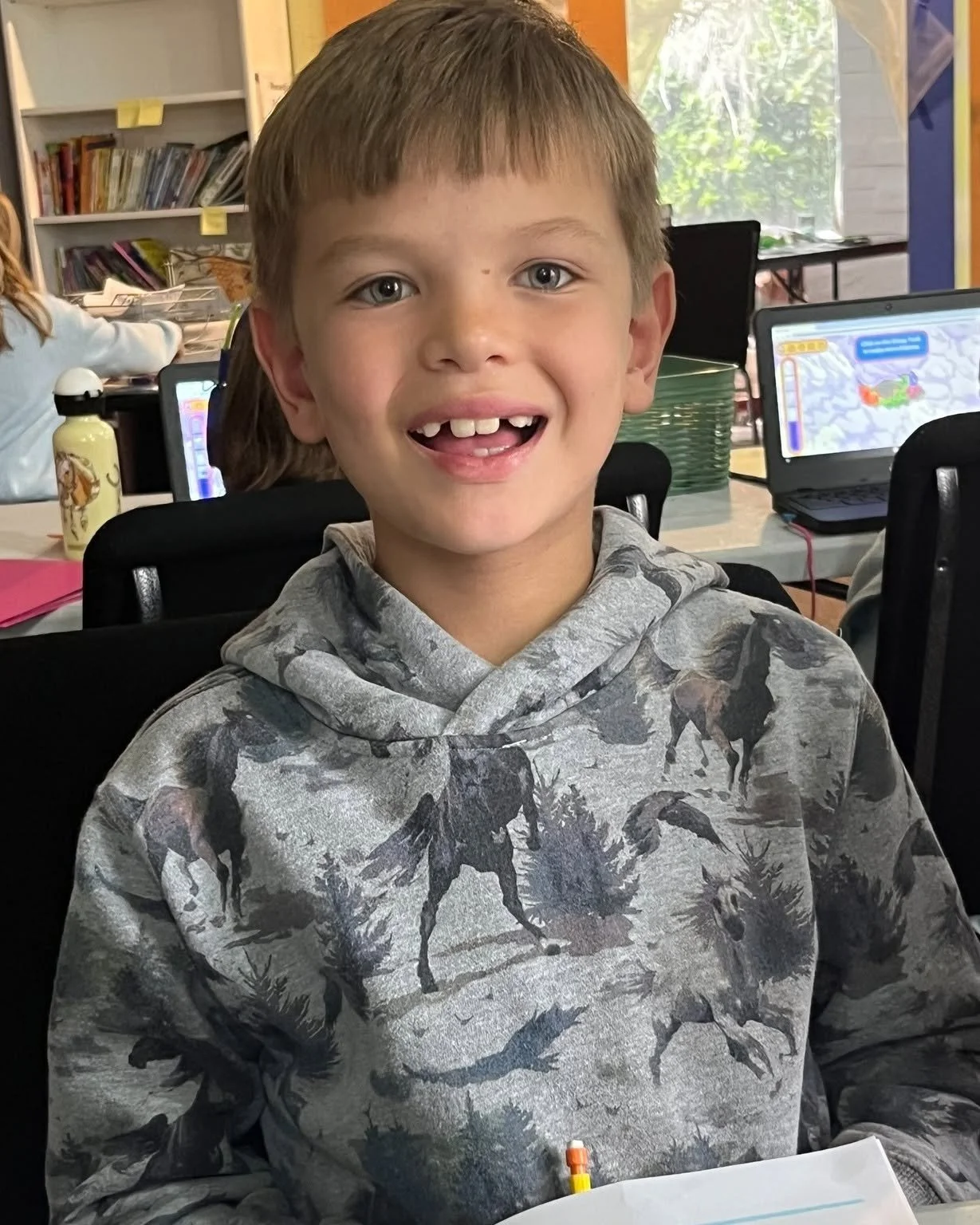
We believe support should help students grow rather than permanently define them.
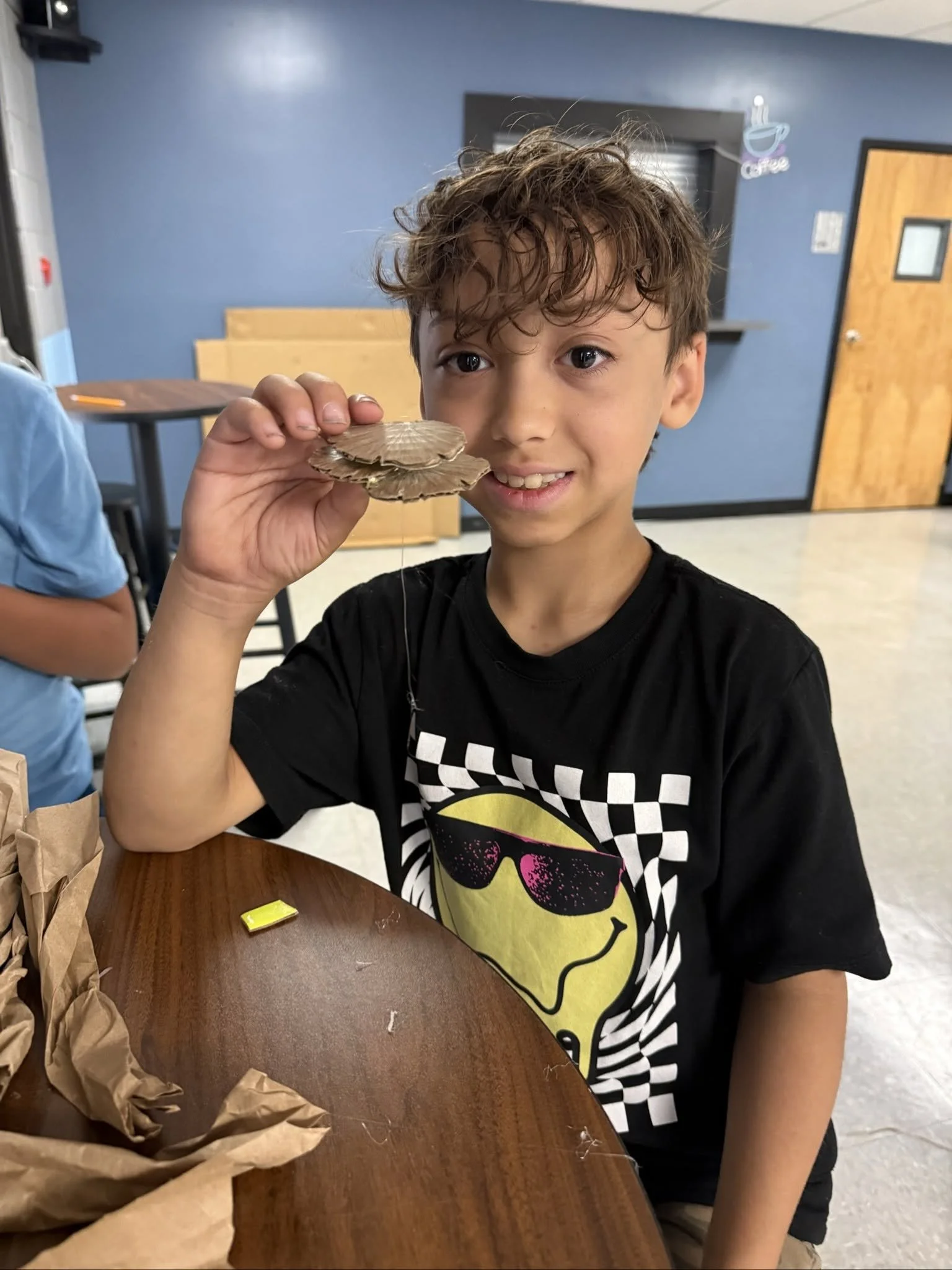
We believe learning should include challenge without unnecessary pressure.
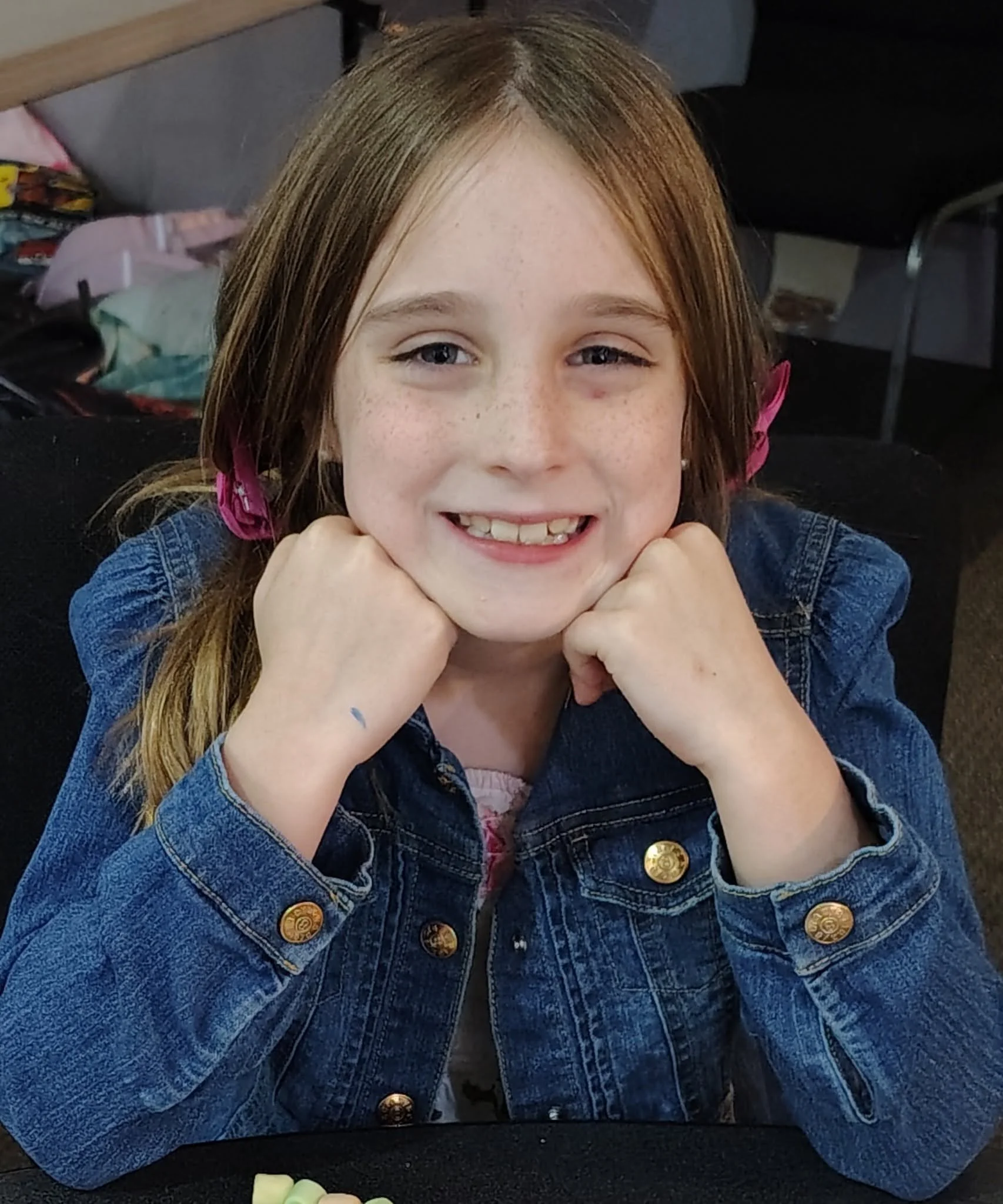
We believe students can be strong in one area while still developing in another.
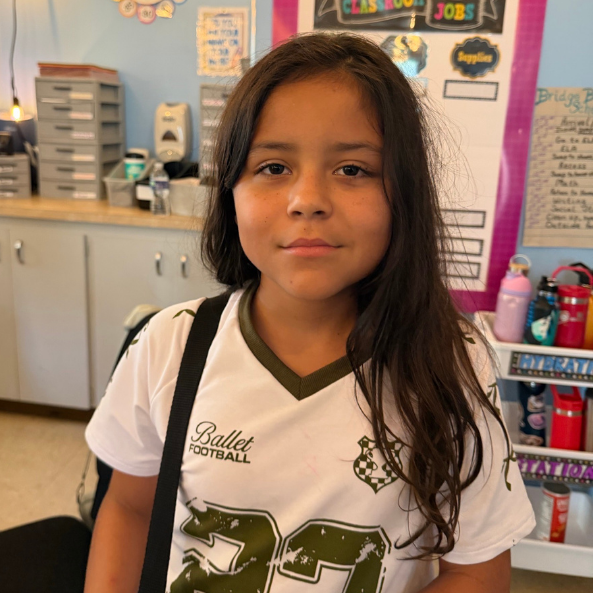
We believe academic foundations matter. We believe childhood matters too.
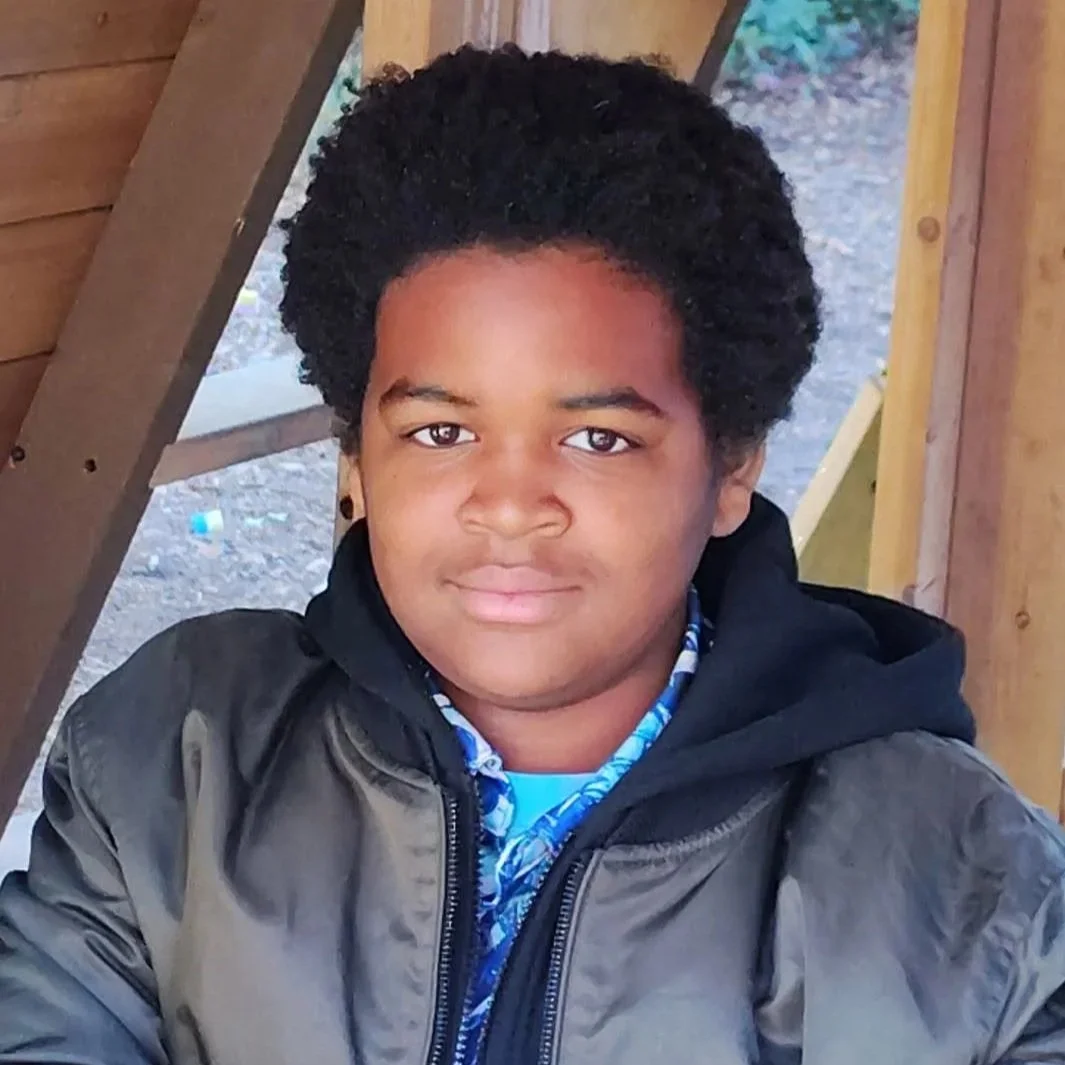
We believe teachers are able to do some of their best work when they have the time and flexibility to succeed with their students.
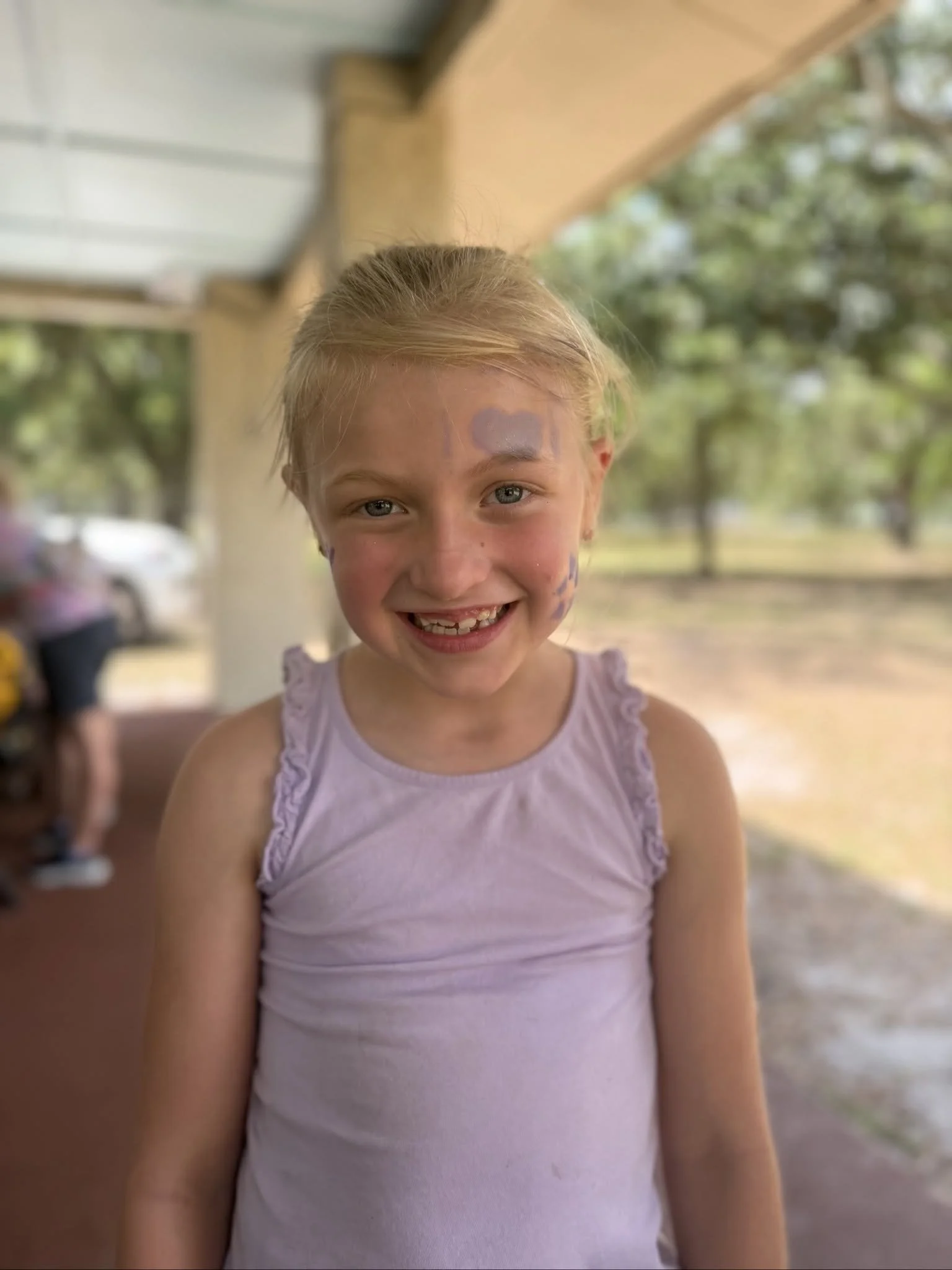
We believe students should gradually develop independence, responsibility, confidence, and ownership of their learning.
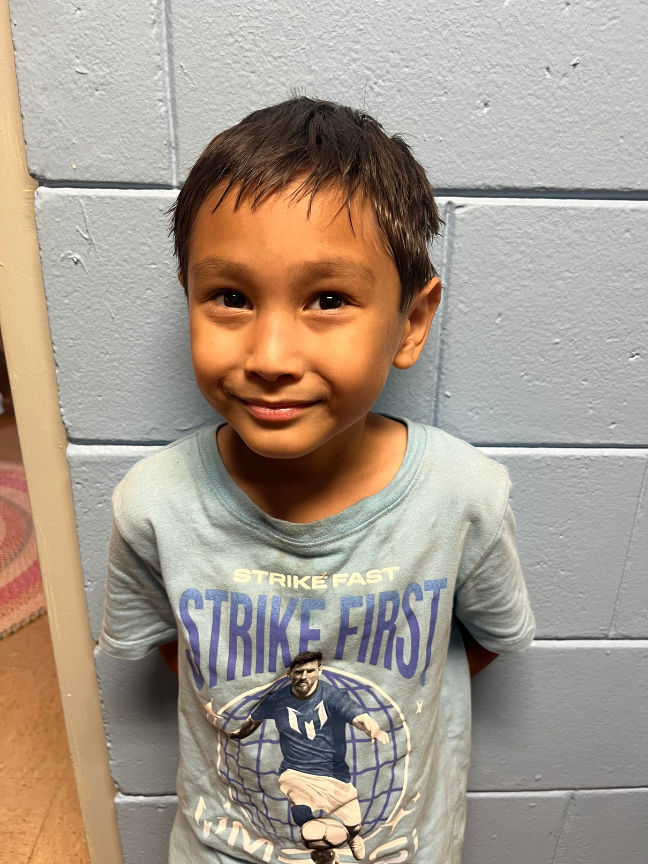
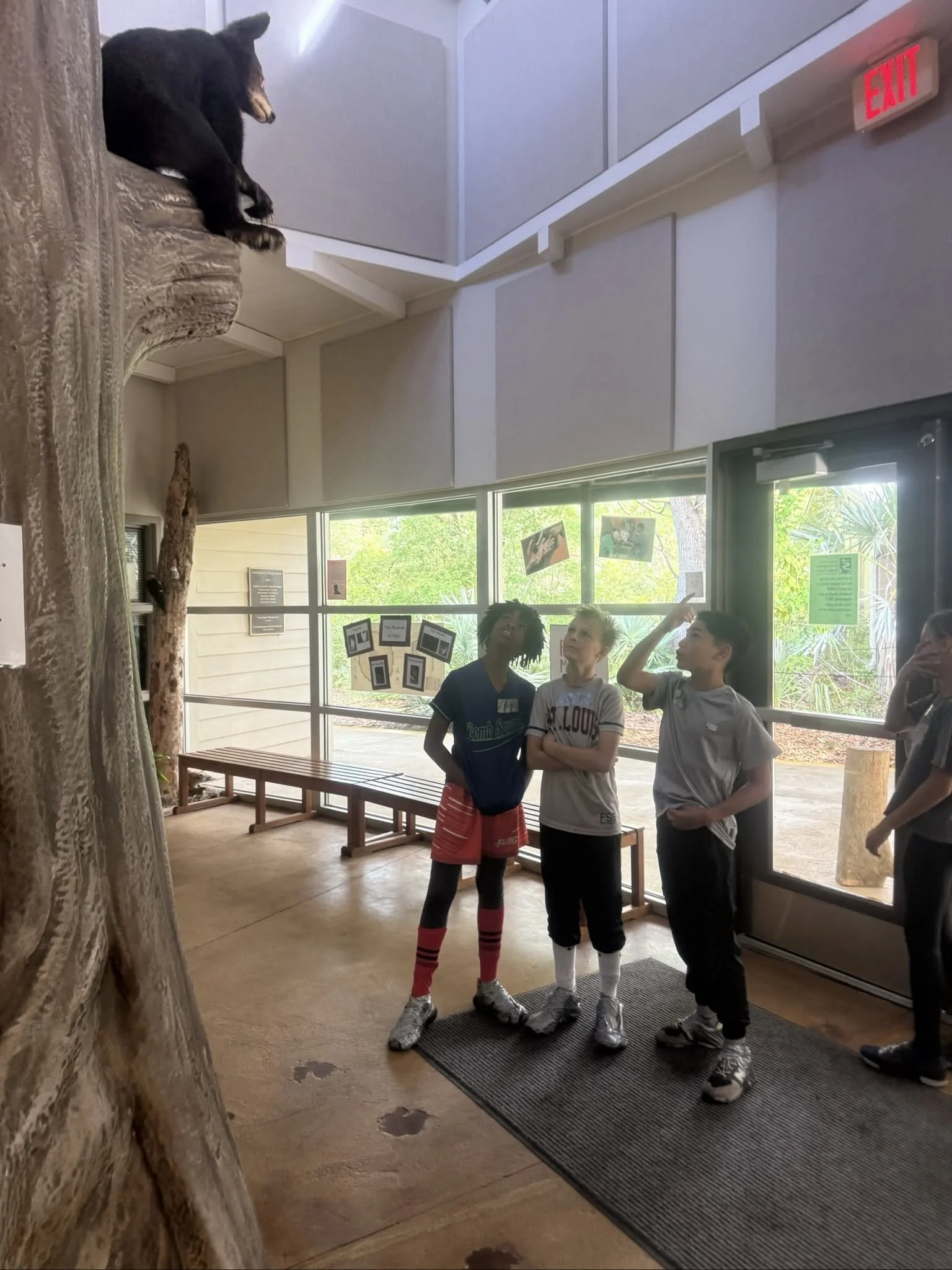
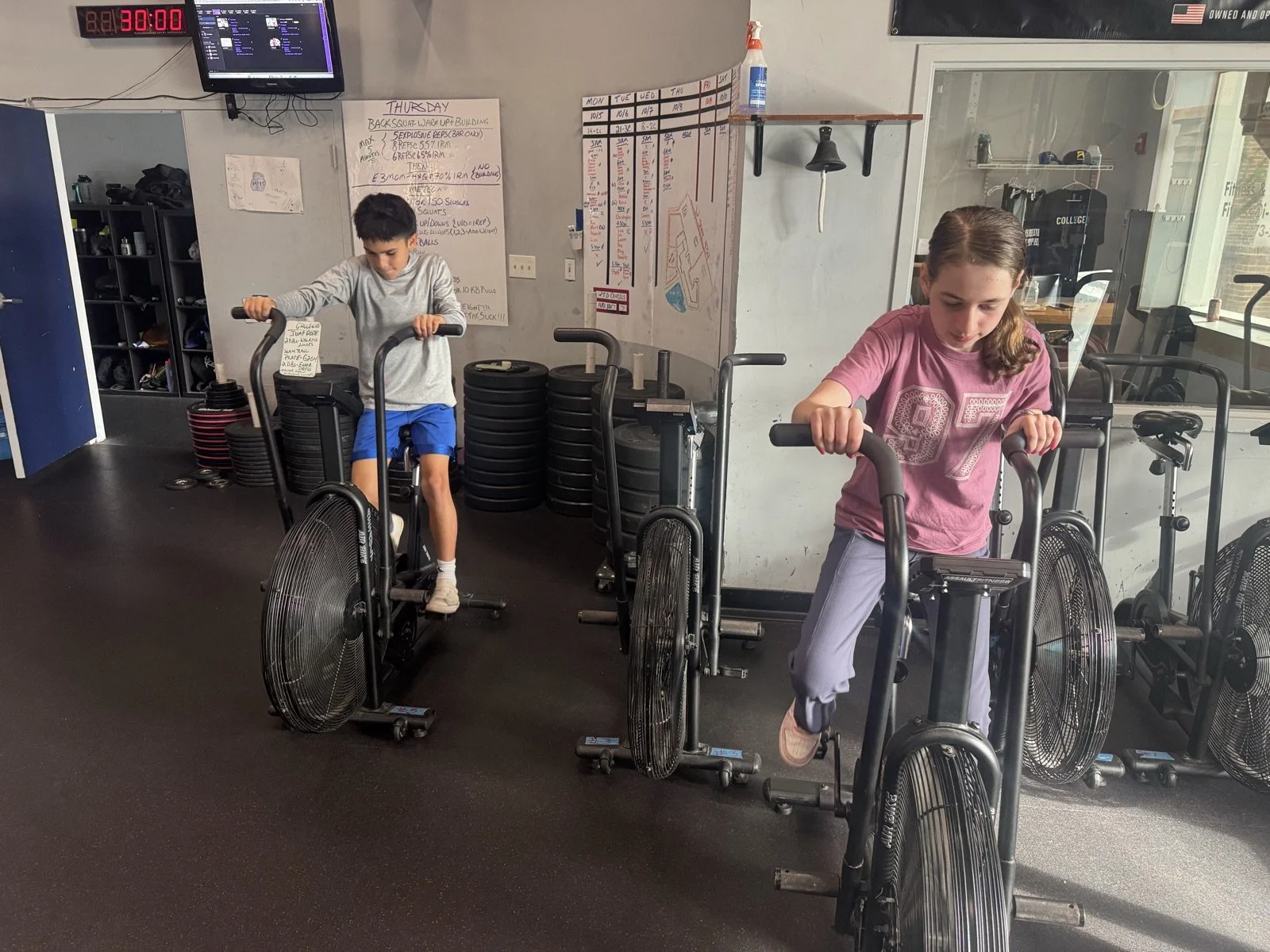
We believe children benefit from movement, creativity, discussion, hands-on experiences, and meaningful relationships.
We believe in meeting them where they are, so they can move forward.
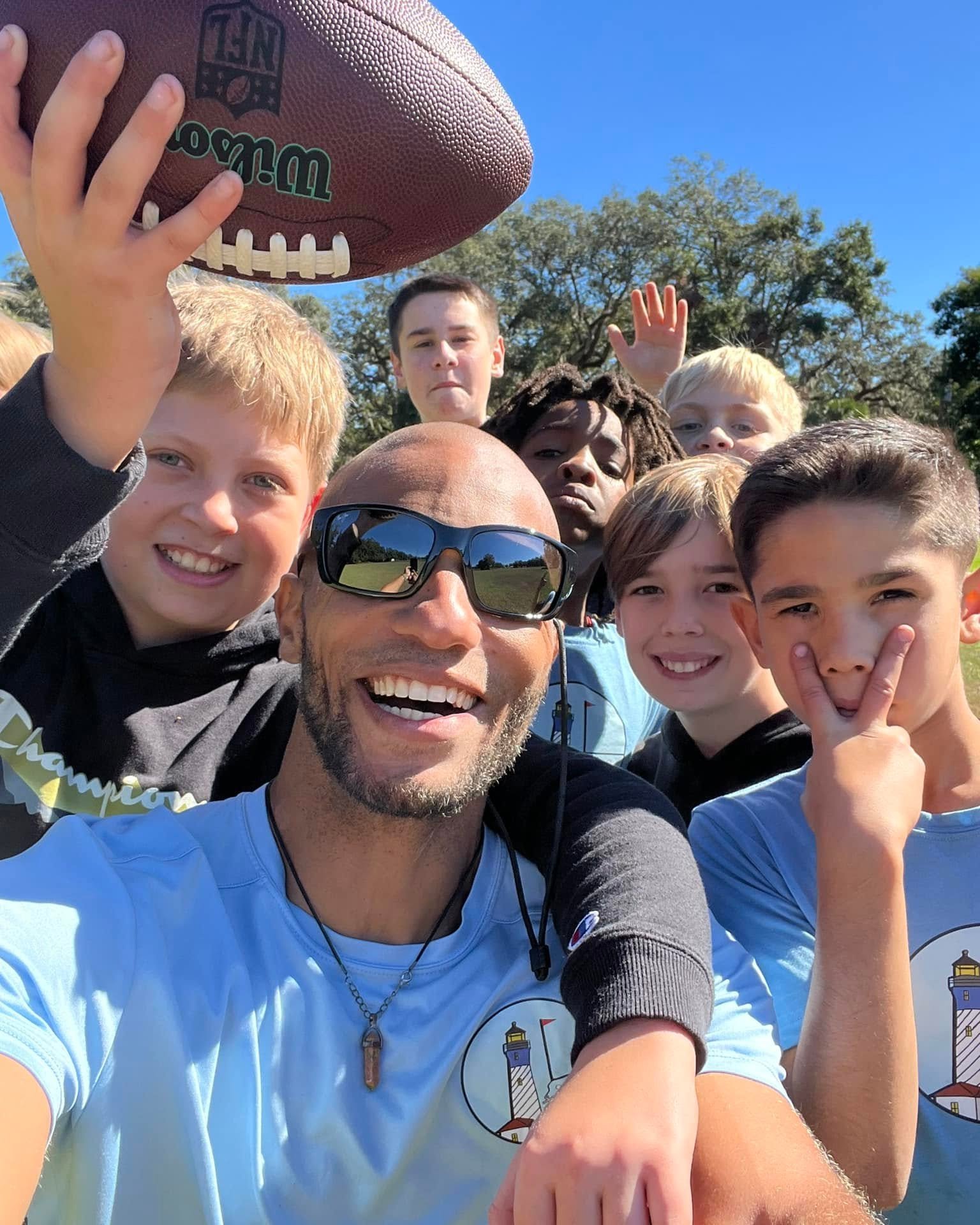
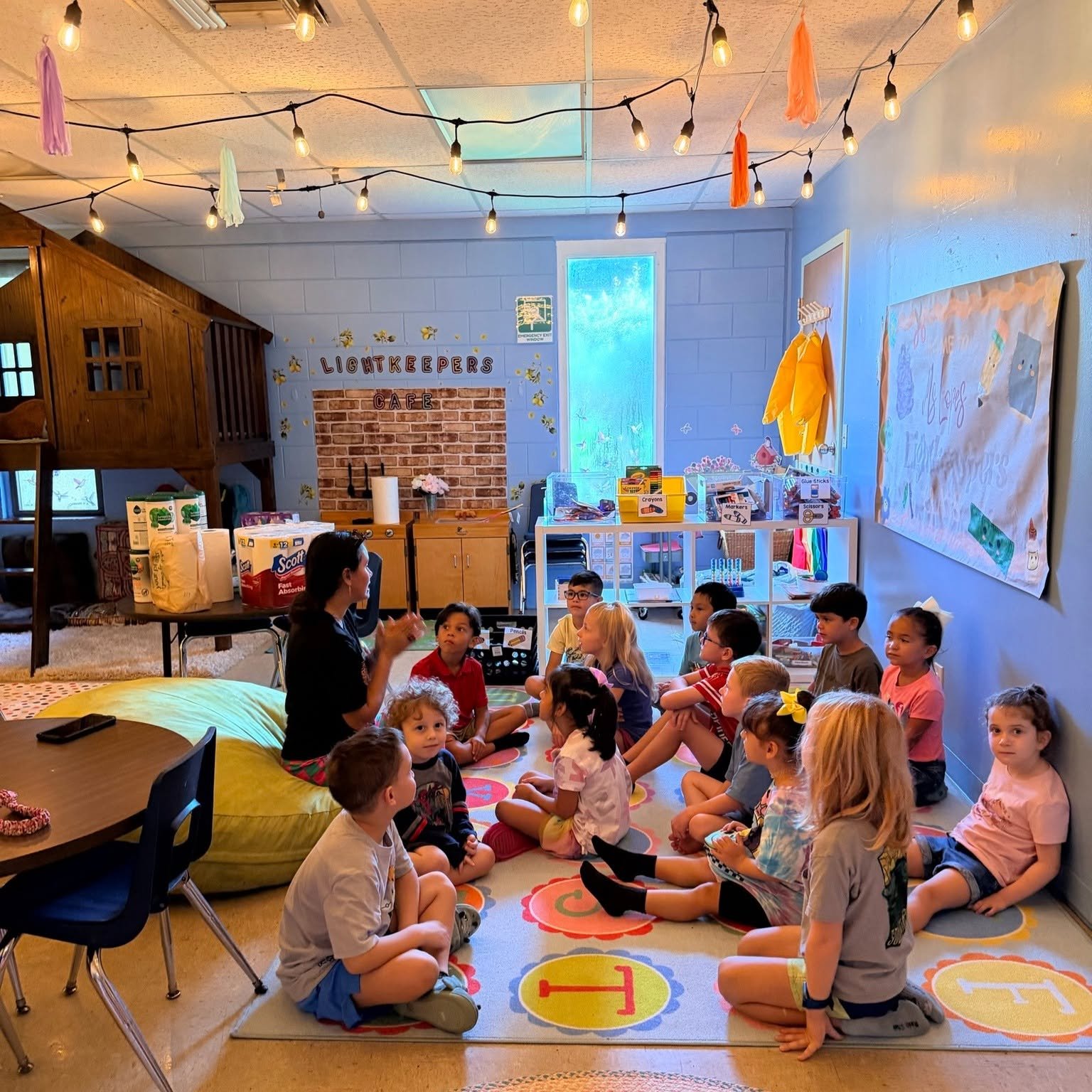
Lighthouse has always had something families describe as difficult to recreate in a larger school environment: a sense of home.
Students know one another. Teachers know families.
Families build relationships with one another. Children have a place where they belong.
But that feeling of home does not mean school lacks structure.
Our students have schedules, routines, academic expectations, curriculum, instructional groups, teachers, responsibilities, enrichment classes, deadlines, and accountability.
We believe children benefit from both.
The warmth of a close community.
The consistency of structure and routine.
That combination is at the heart of the Lighthouse experience.
A Home-Like Community with
Real Structure
Homeschool families come to Lighthouse for many different reasons.
Some parents love homeschooling but no longer want to be solely responsible for every academic subject.
Some want experienced teachers to help guide Reading and Math, provide stronger academic structure, or offer accountability and curriculum support. Our teachers do it all.
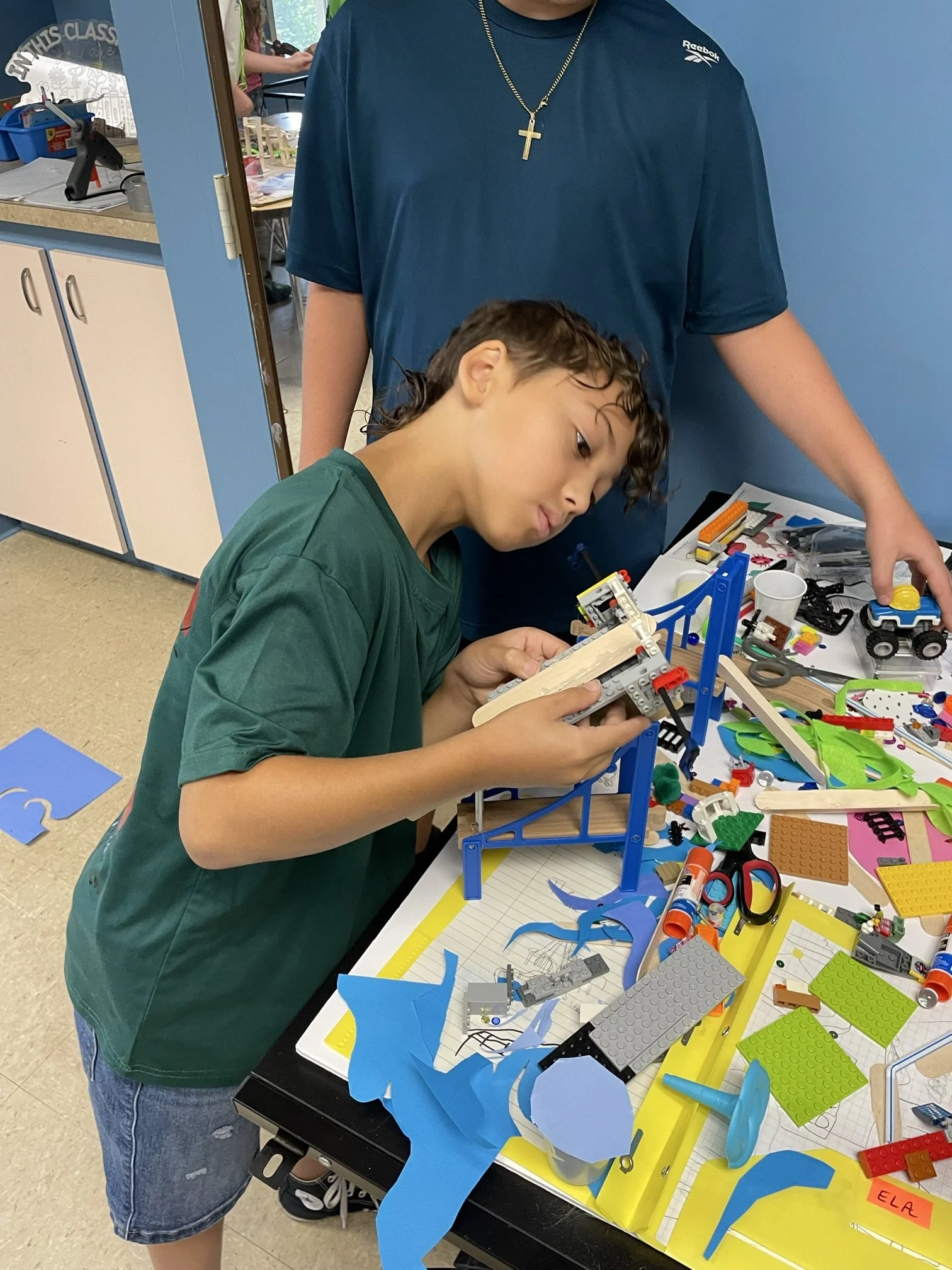
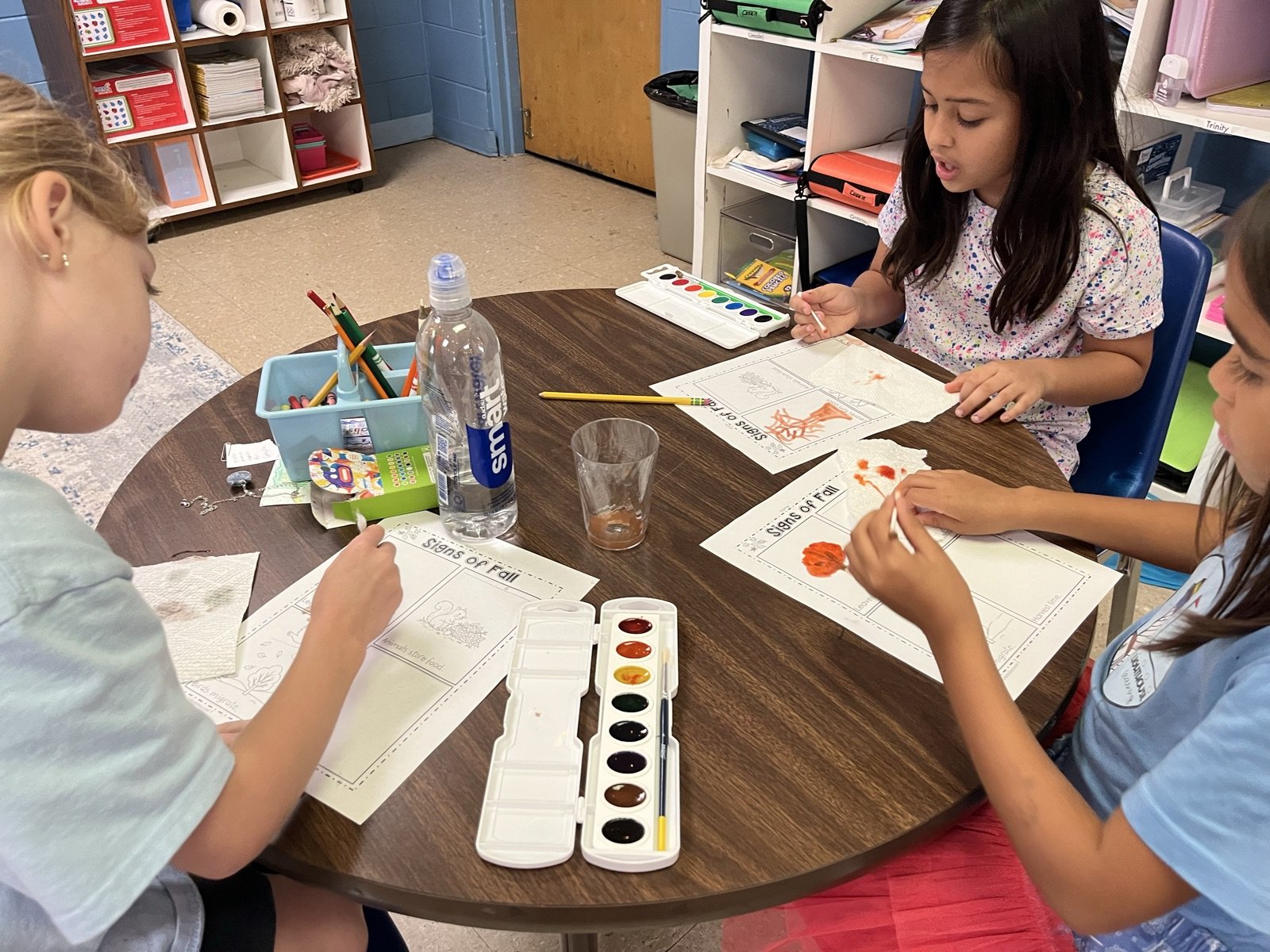
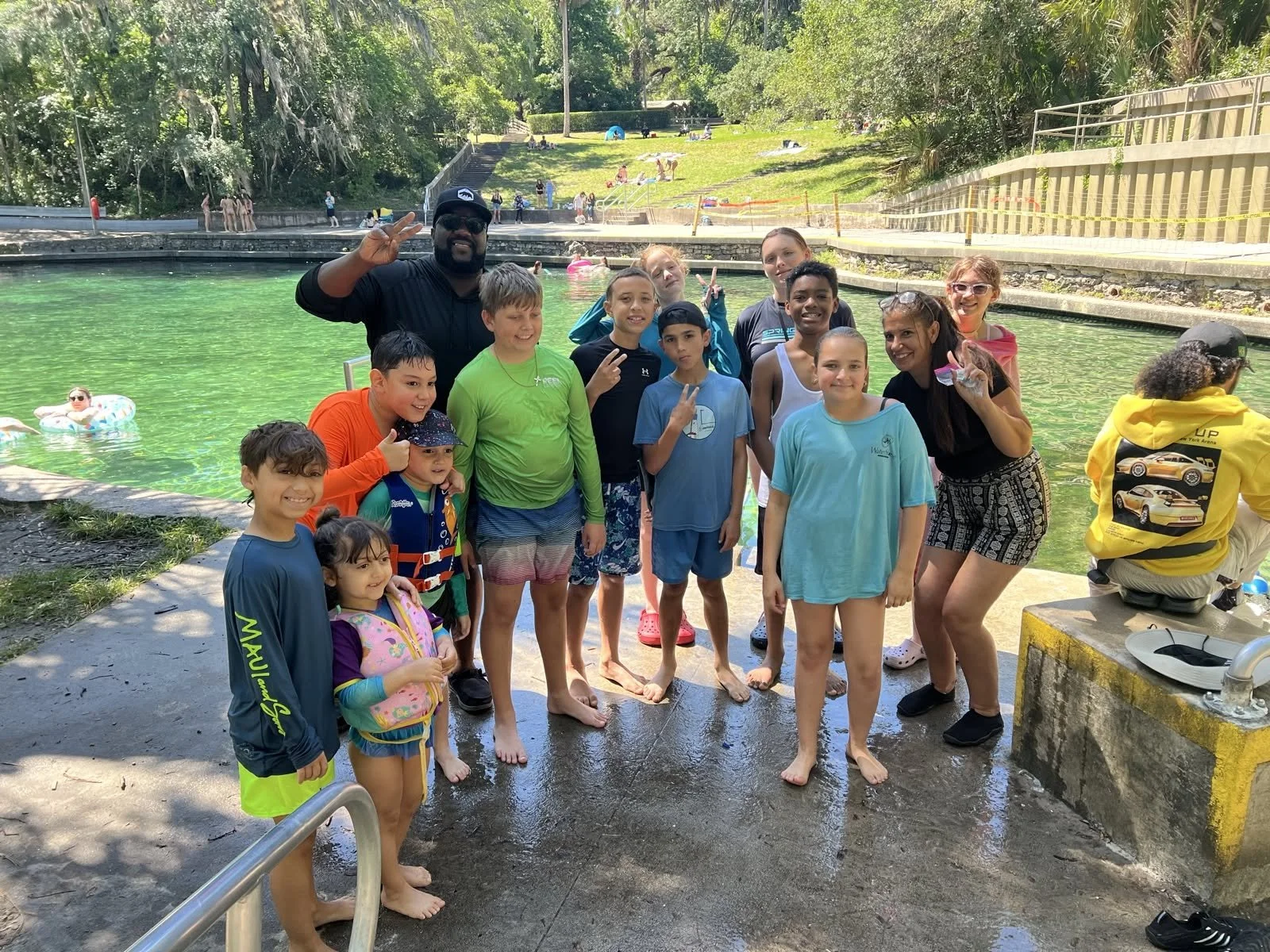
Others are confident teaching at home but want their child to experience Art, Music, PE, Science, clubs, field trips, projects, and hands-on learning alongside other children.
We give families different ways to build the educational experience that works for them. Our academic pathways can provide homeschool families with structured instruction, teachers, curriculum, academic support, and community.
Our enrichment pathway allows homeschool students to maintain their academic program at home while joining Lighthouse for meaningful enrichment, friendships, movement, creativity, clubs, projects, and shared experiences.Parents do not have to choose between complete independence and a traditional five-day school model. There can be another option.
A Different Path for Homeschool Families
We also welcome families whose children have spent years in traditional public or private school.
Sometimes these students were doing well academically but needed a smaller environment. Sometimes parents wanted stronger relationships between teachers and students. Sometimes a child needed greater challenge. Sometimes the pace of the classroom did not match the pace of the learner. Sometimes families simply began asking: Could school feel more personal than this?
Transitioning into Lighthouse does not mean abandoning structure or academic expectations.
It means entering a smaller educational environment where teachers have greater opportunity to understand the student, identify their current level of readiness, and determine what should come next. Our goal is not to recreate traditional school on a smaller scale. Our goal is to use the advantages of being small to create something more responsive, relational, and purposeful.
Lighthouse is not defined by one curriculum, one schedule, or one teaching strategy. What makes Lighthouse different is the way several pieces work together.
But What Makes Us Different?
Intentional Size
Students learn in a smaller community where teachers have opportunities to truly know them
Personalized Academics
Reading and Math instruction can be adjusted based on readiness, demonstrated skills, and mastery.
Walk-to-Learn
Students can receive targeted instruction rather than being limited to one academic level for every subject.
Mastery-Based
We want students to build understanding before simply moving forward because it is time for the next lesson.
Flexible Learning
Families can choose among full microschool, hybrid, and enrichment pathways based on their needs.
Relationships
Students learn best when they feel known, connected, and valued.
HomePod Community
Students maintain a consistent classroom community where they belong, build relationships, and learn alongside peers.
Enrichment
Art, Music, PE, Science, nature, careers, clubs, projects, field trips, and hands-on experiences are part of school—not an afterthought.
Lighthouse Learning is part of a growing grassroots movement of educators and families reimagining what school can look like.
Across the country, microschools are creating smaller learning communities that give families additional choices beyond traditional public school, traditional private school, or homeschooling alone.
Lighthouse grew from that same belief: There should be more than one good way to educate a child.
We believe families deserve options.
Teachers deserve environments where relationships and responsive instruction are possible.
And students deserve learning experiences that recognize who they are while preparing them for where they are going.
Part of a Growing Grassroots Education Movement
Lighthouse Learning is proud to be part of a growing national movement of educators and families creating innovative, community-centered approaches to education.
Growing With Our Students
Lighthouse began with a small group of students and has continued to grow alongside the needs of our families.
Today, we serve students in Kindergarten through 8th grade through microschool, homeschool hybrid, and enrichment pathways.
And we are continuing to grow.
High School Is Coming in 2028.
As our students grow, we want Lighthouse to grow with them.
Our vision is to extend the relationships, personalized learning, academic accountability, flexibility, and community families value at Lighthouse into a high school experience designed to prepare students for life beyond graduation.
More information about Lighthouse High School will be shared as planning continues.
School can and should feel different.
Lighthouse Learning was created because we believed families should not have to choose between strong academics and a school where their child is truly known. Between structure and flexibility. Between challenge and support. Between homeschooling and doing everything alone.