Our Lighthouse Experience
At Lighthouse Learning, we care deeply about strong academics.
But when children look back on their school years, they will remember more than Reading lessons, Math assignments, and report cards.
They'll remember the teacher who knew them.
The friends they laughed with at lunch.
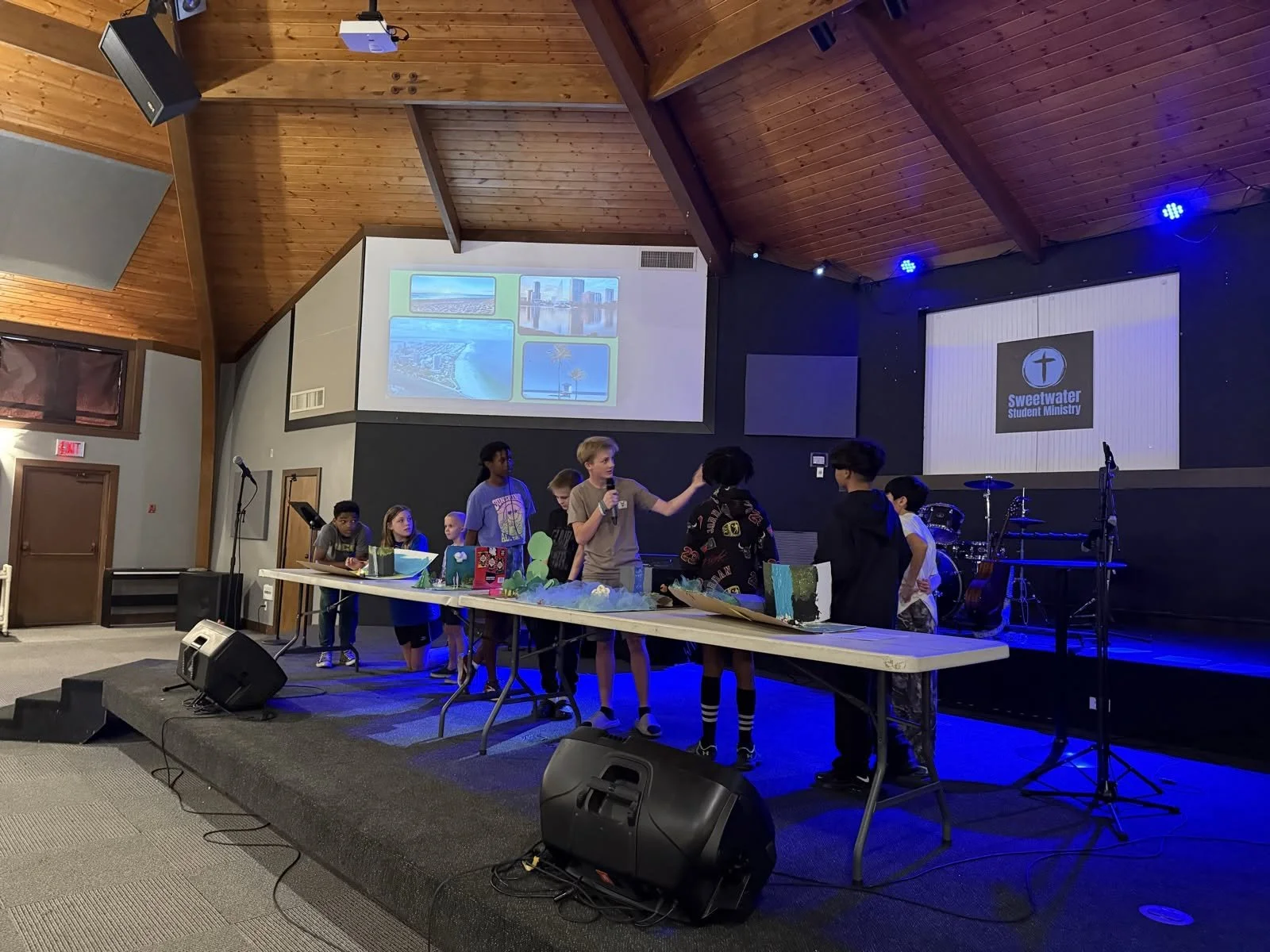
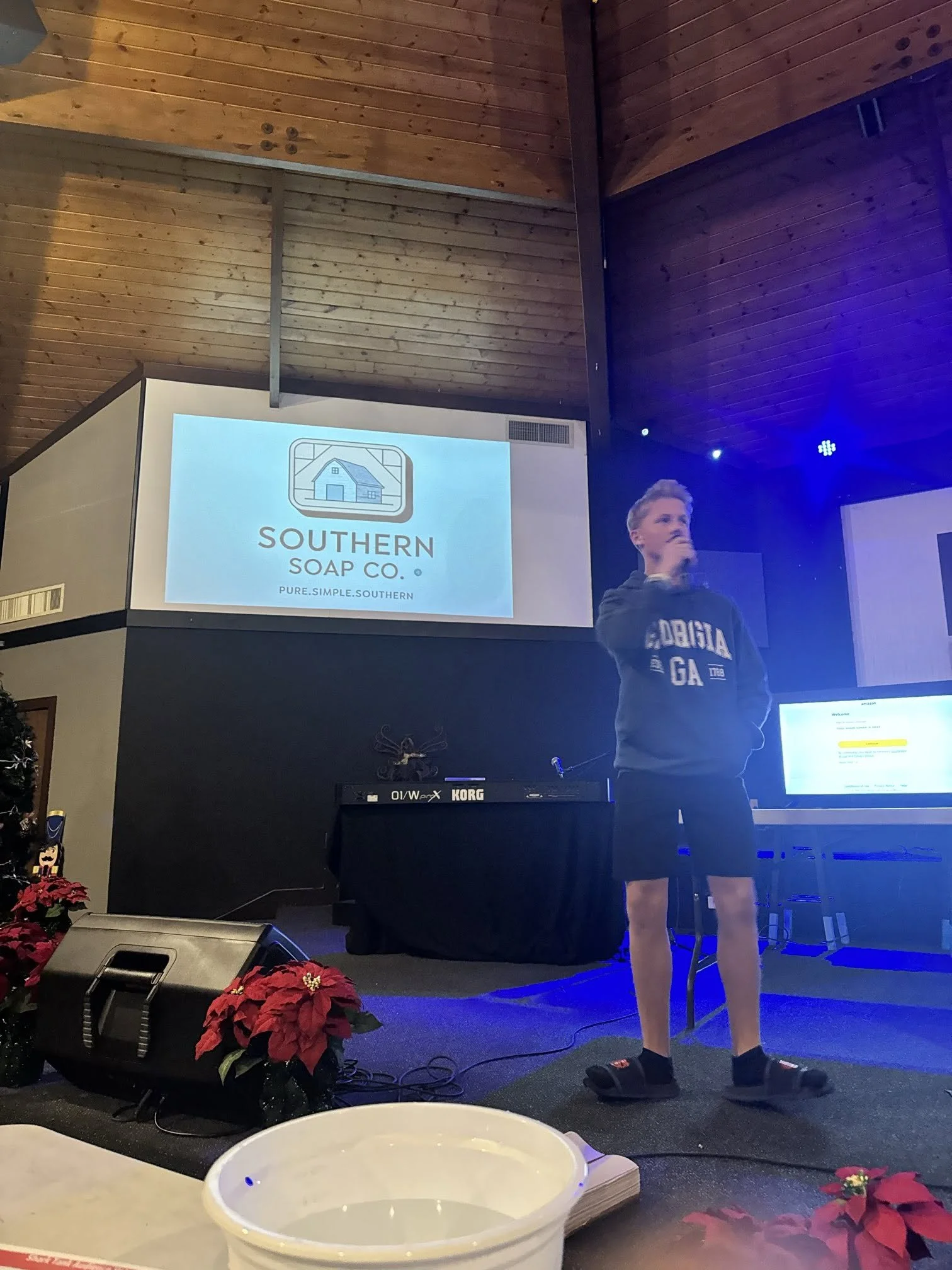
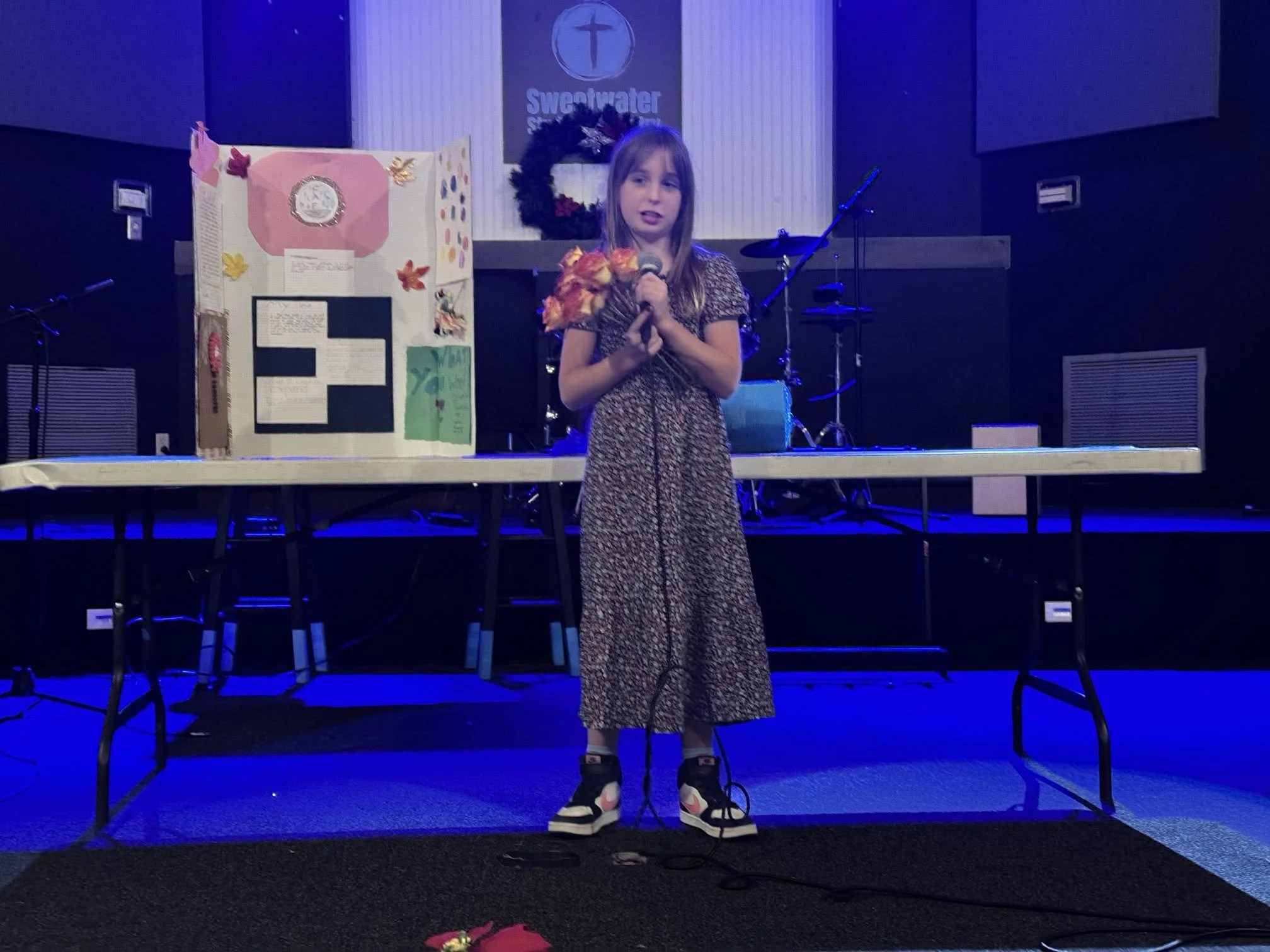
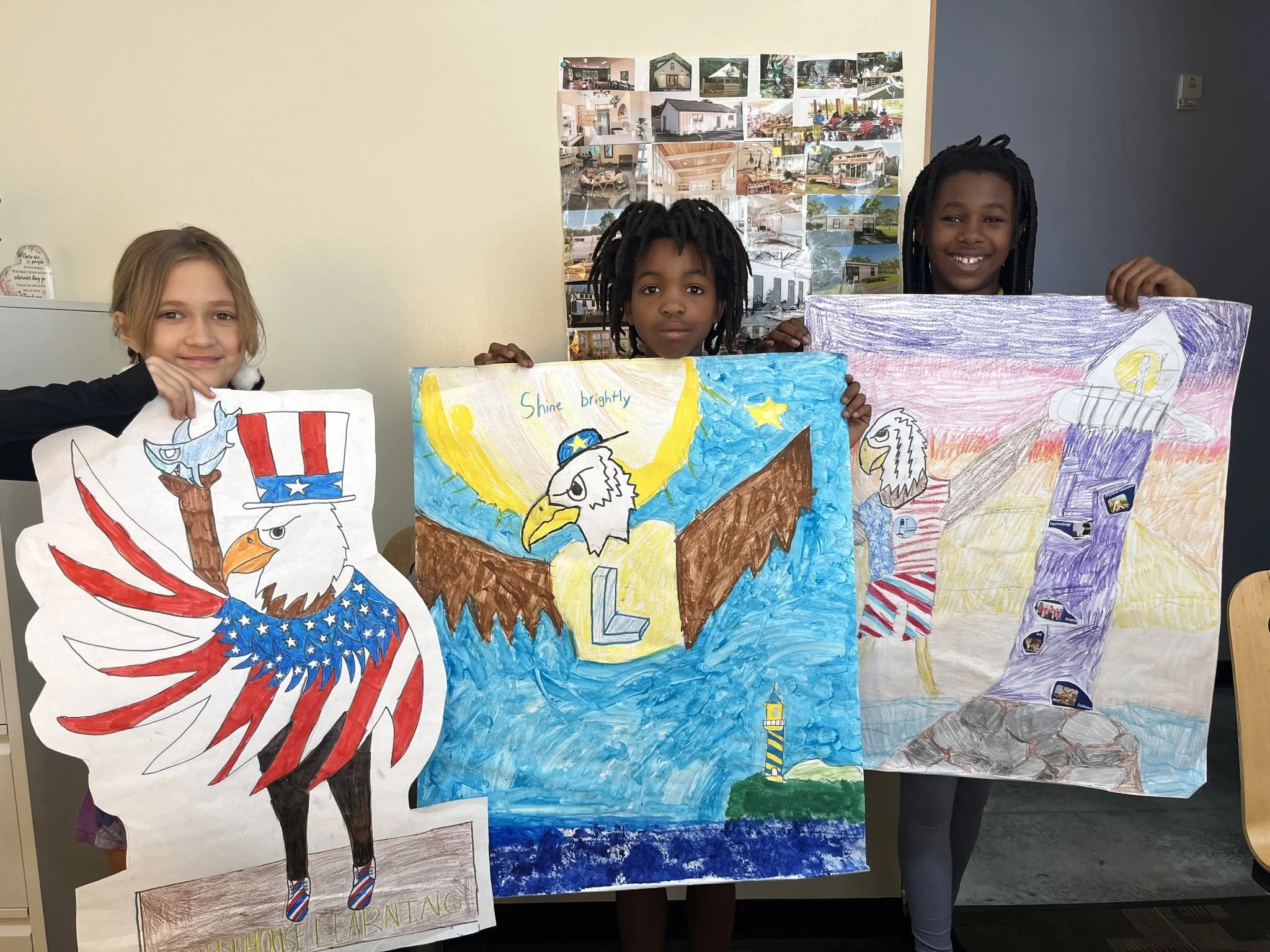
The project they couldn't wait to show their family.
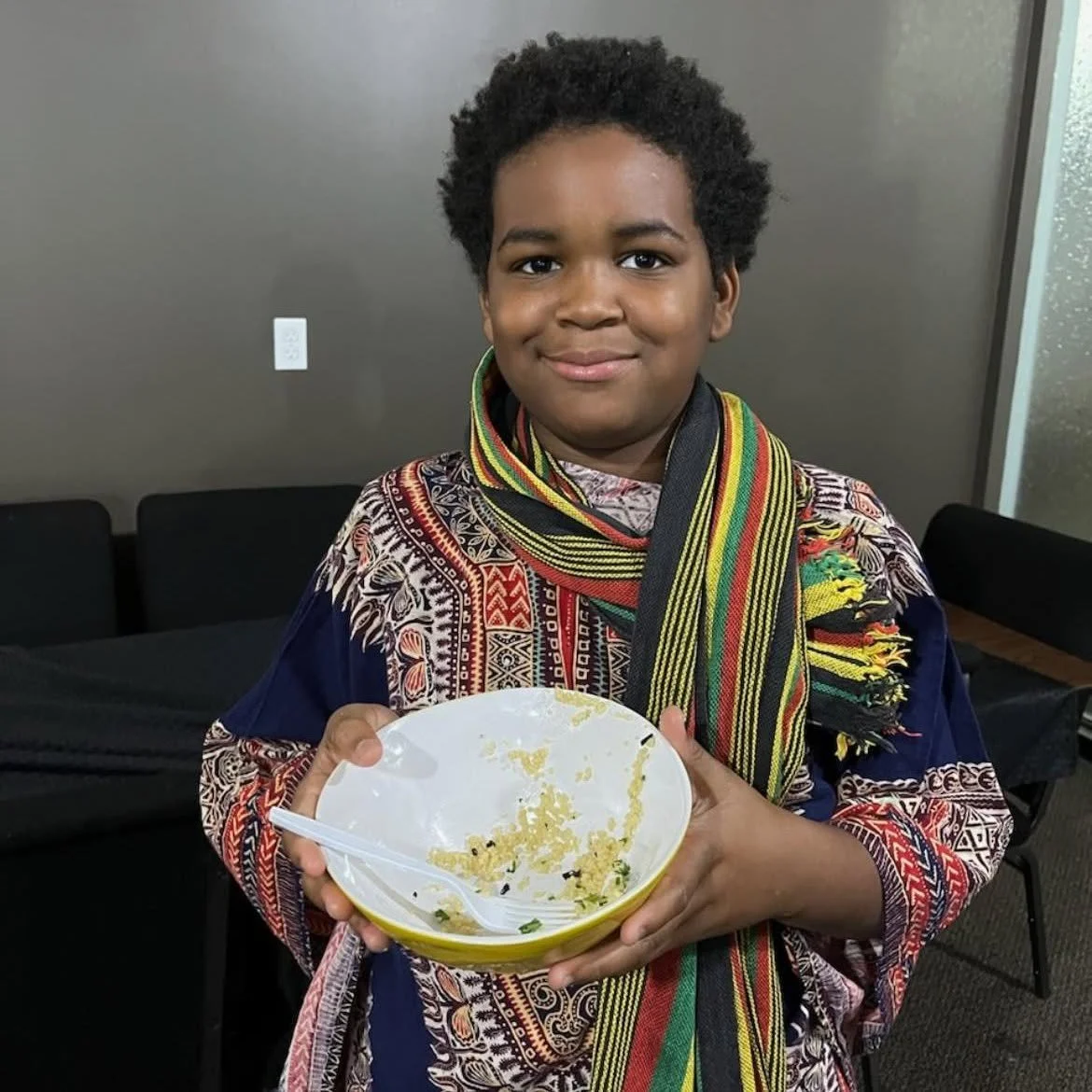
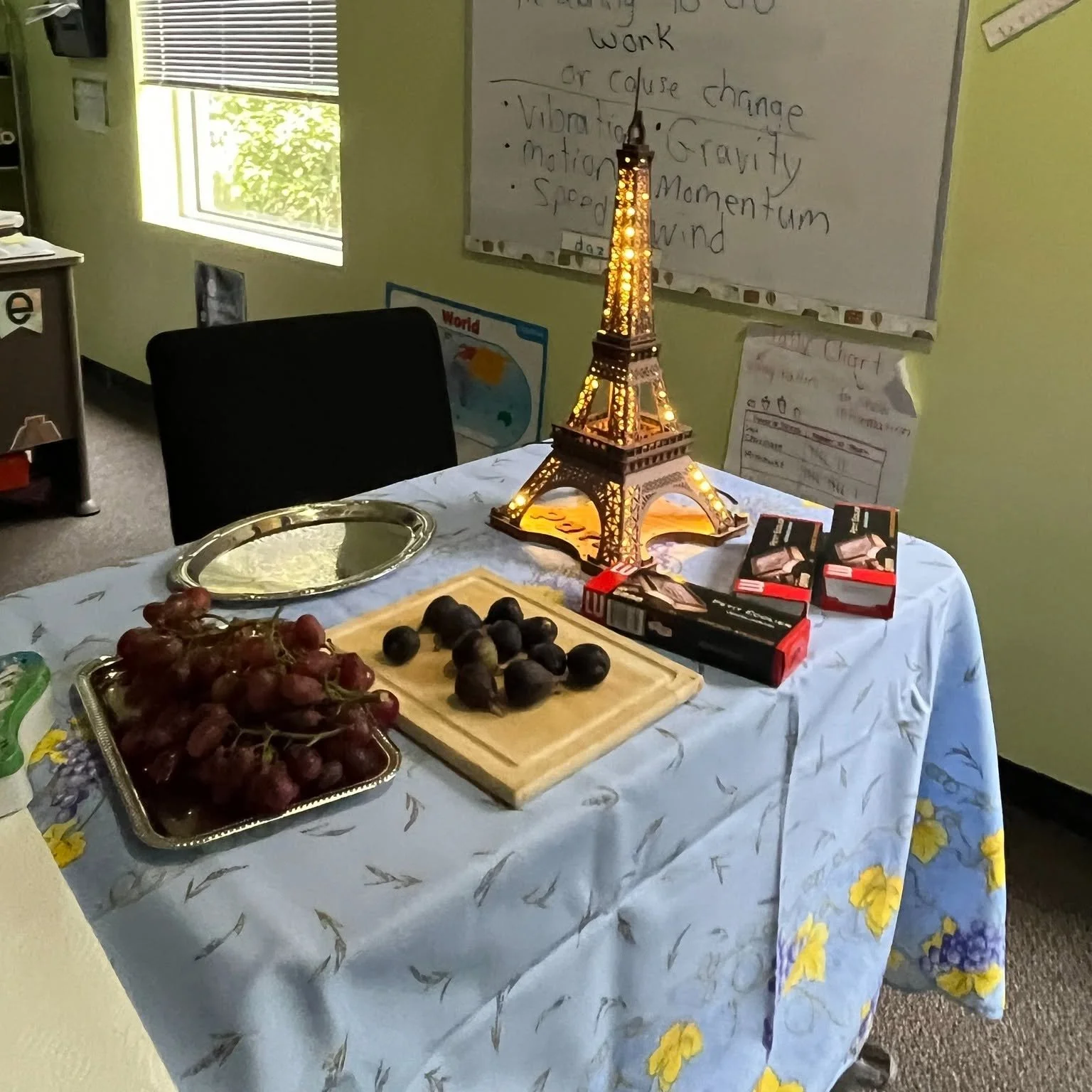
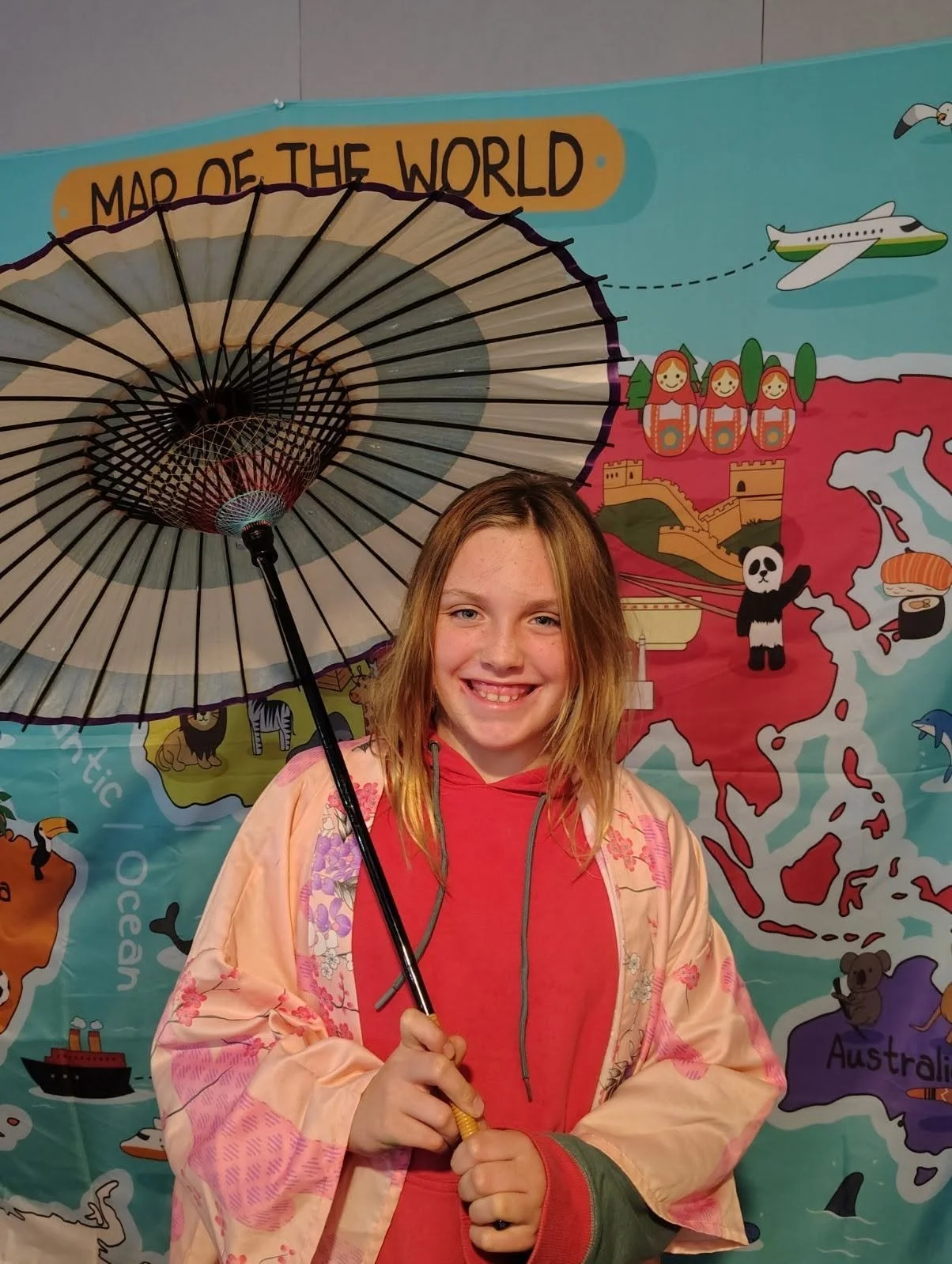
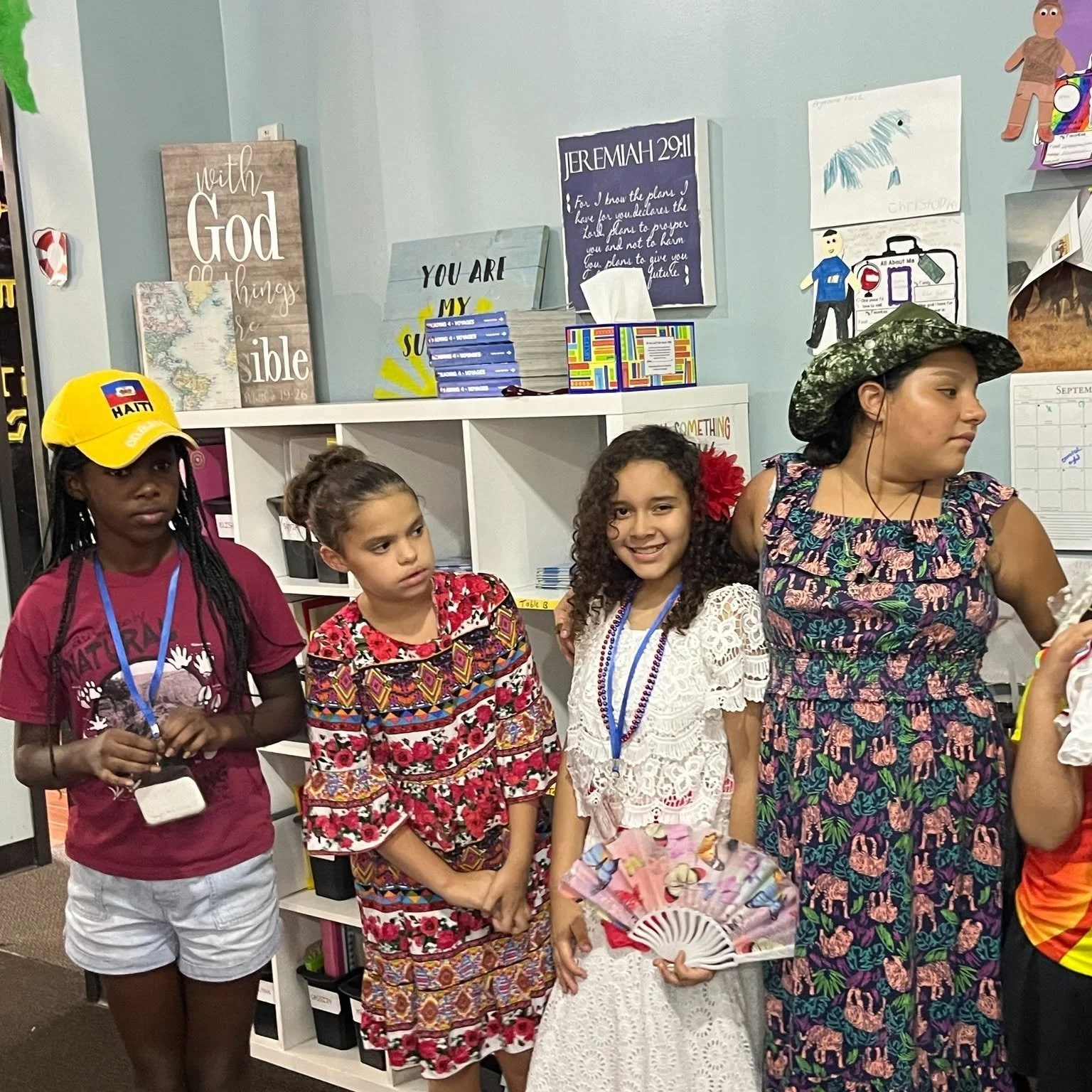
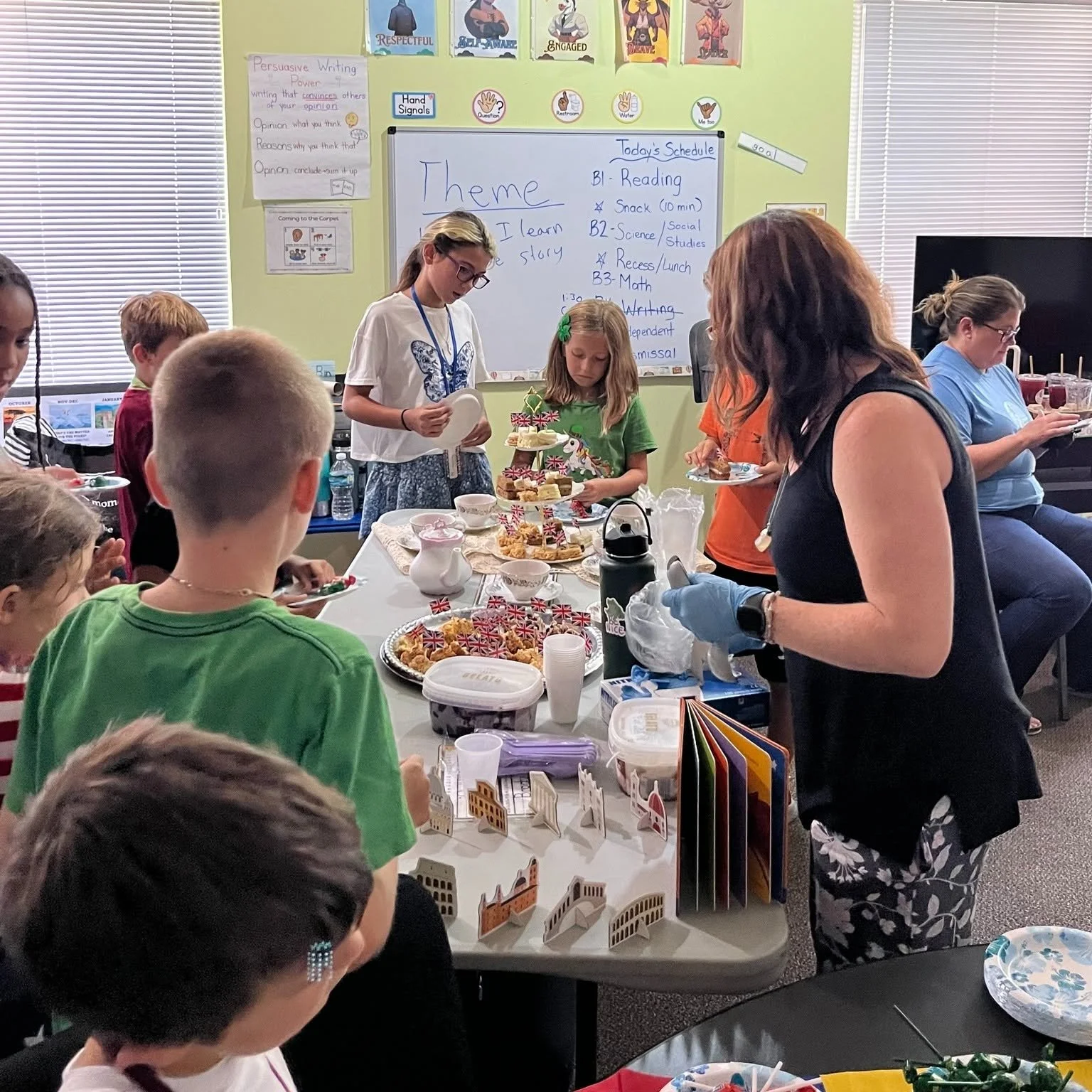
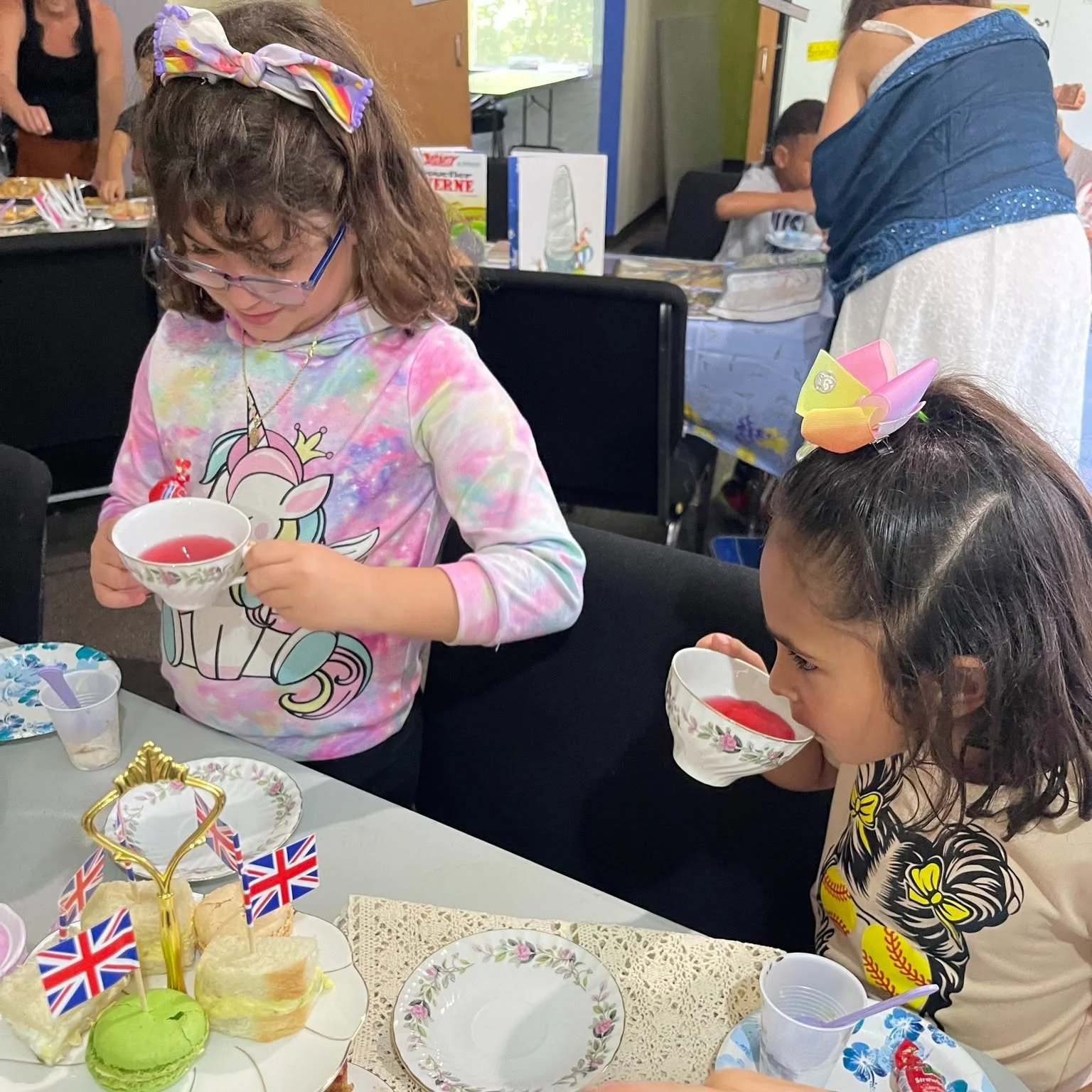
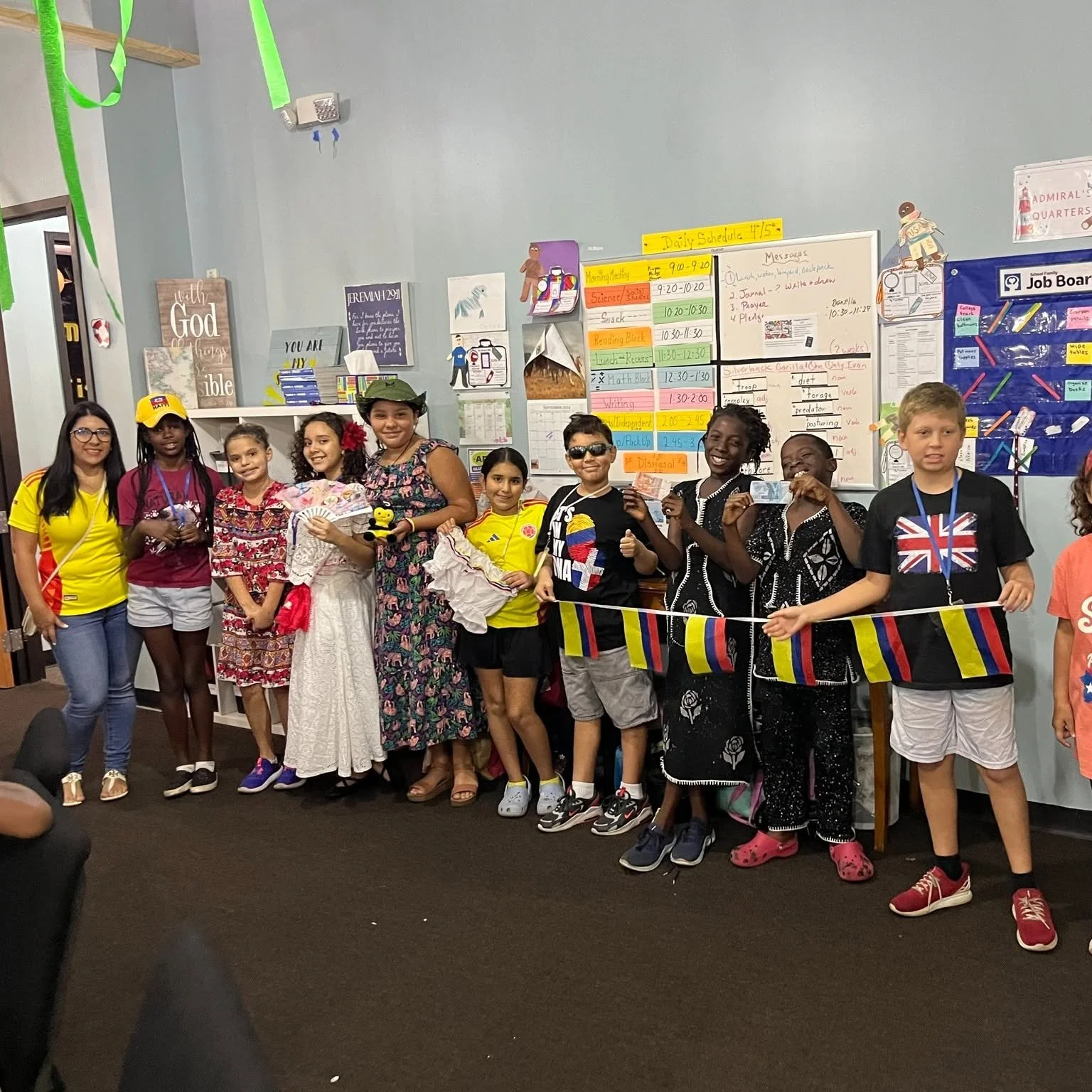
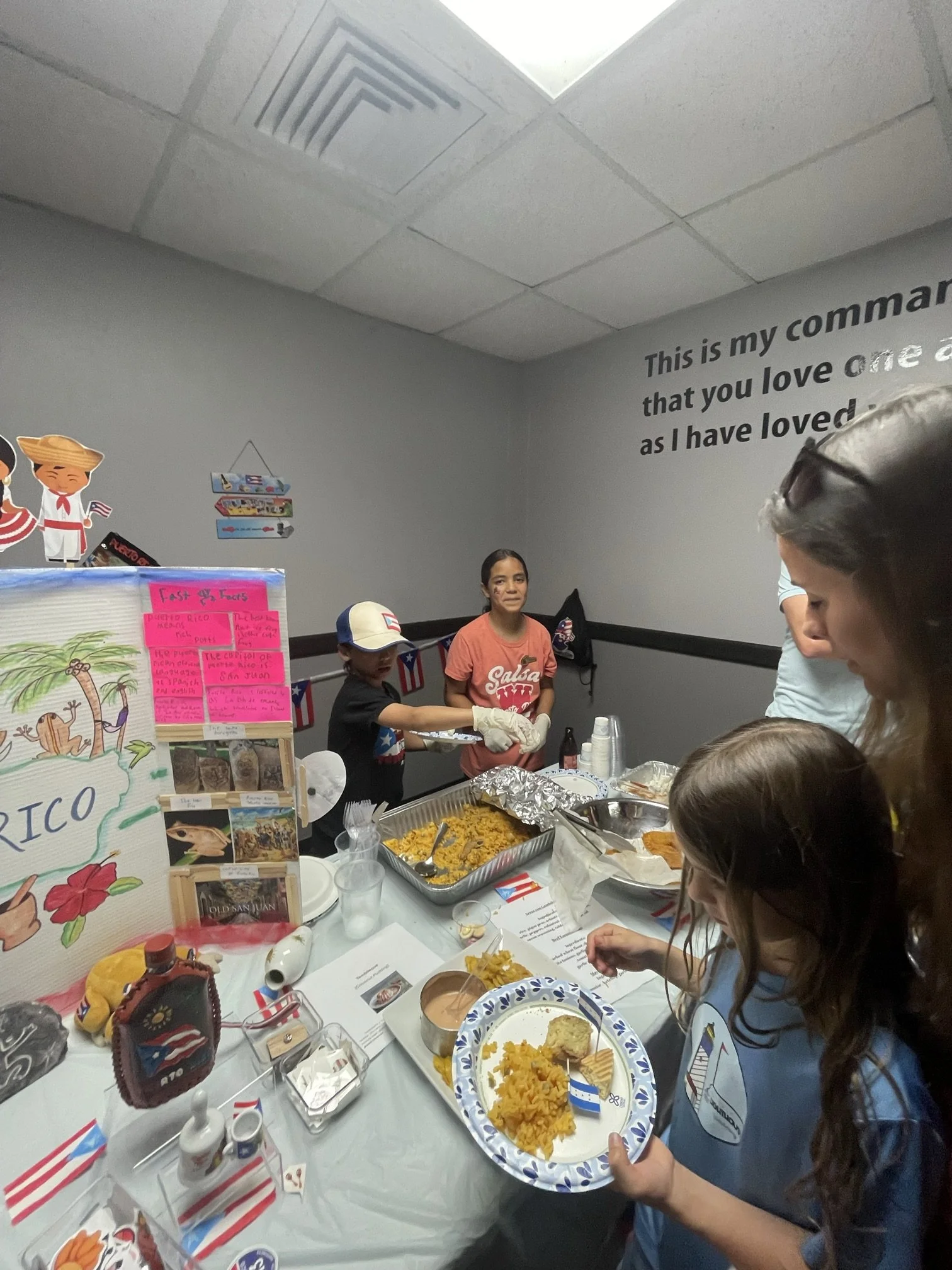
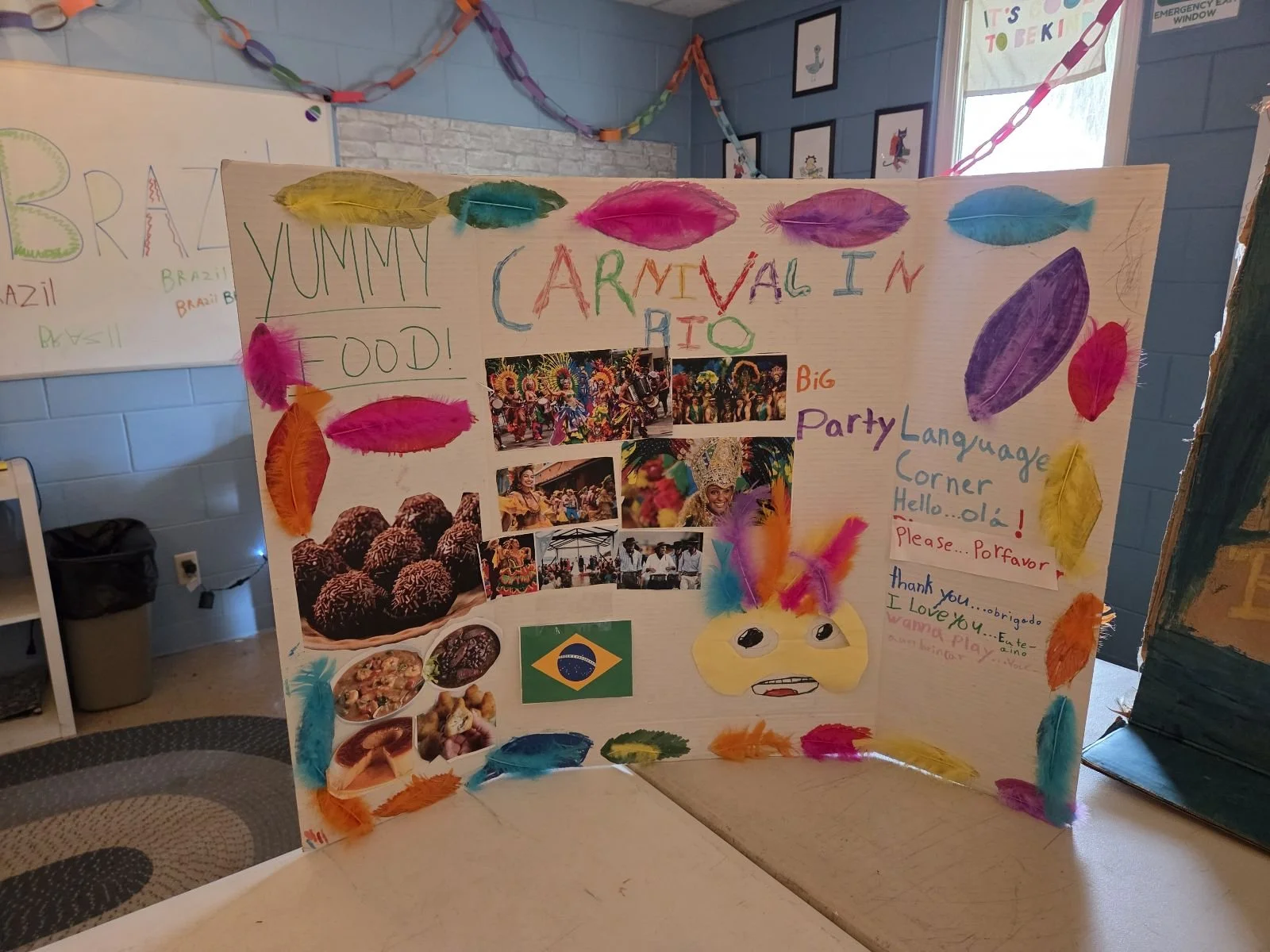
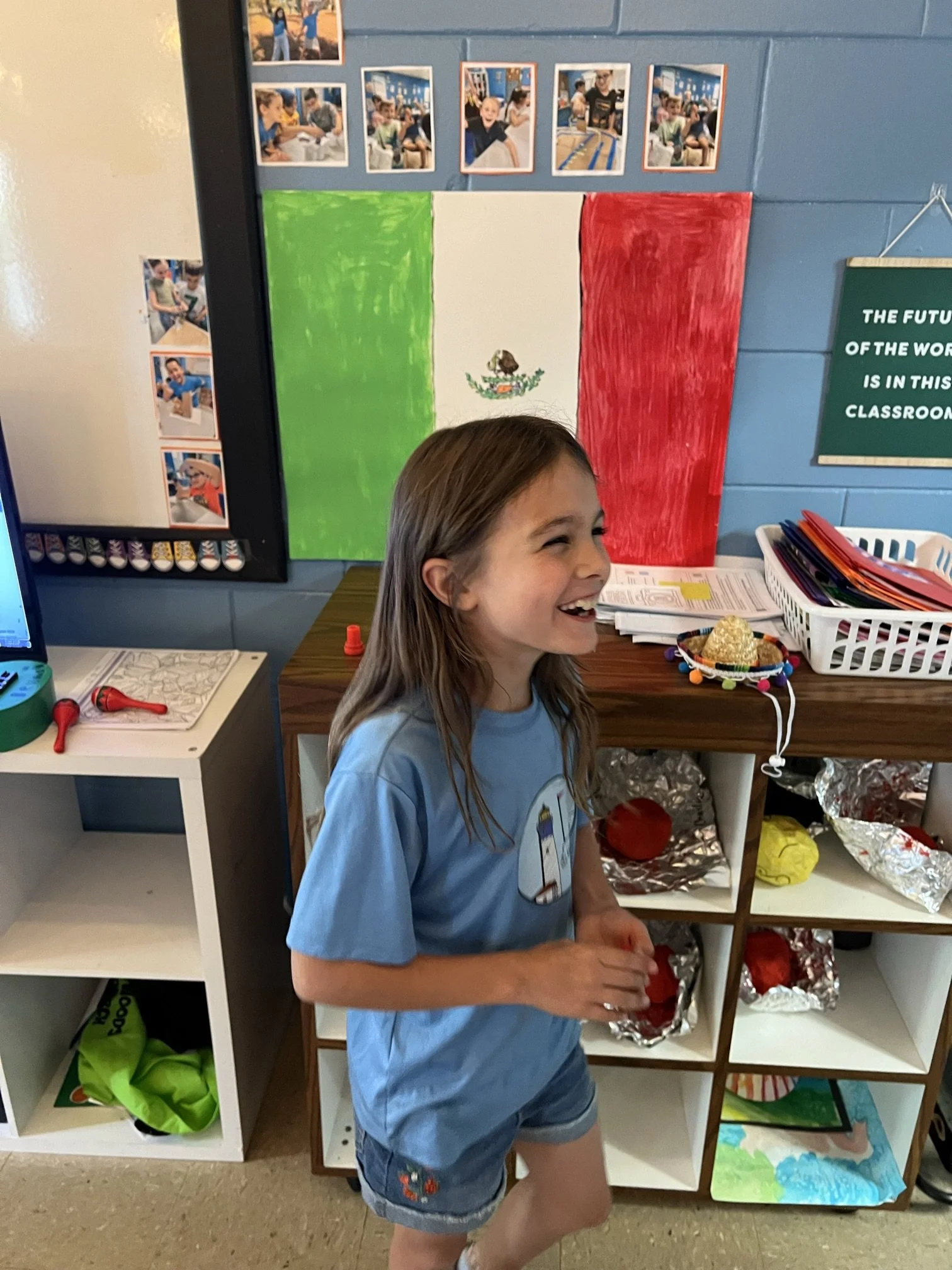
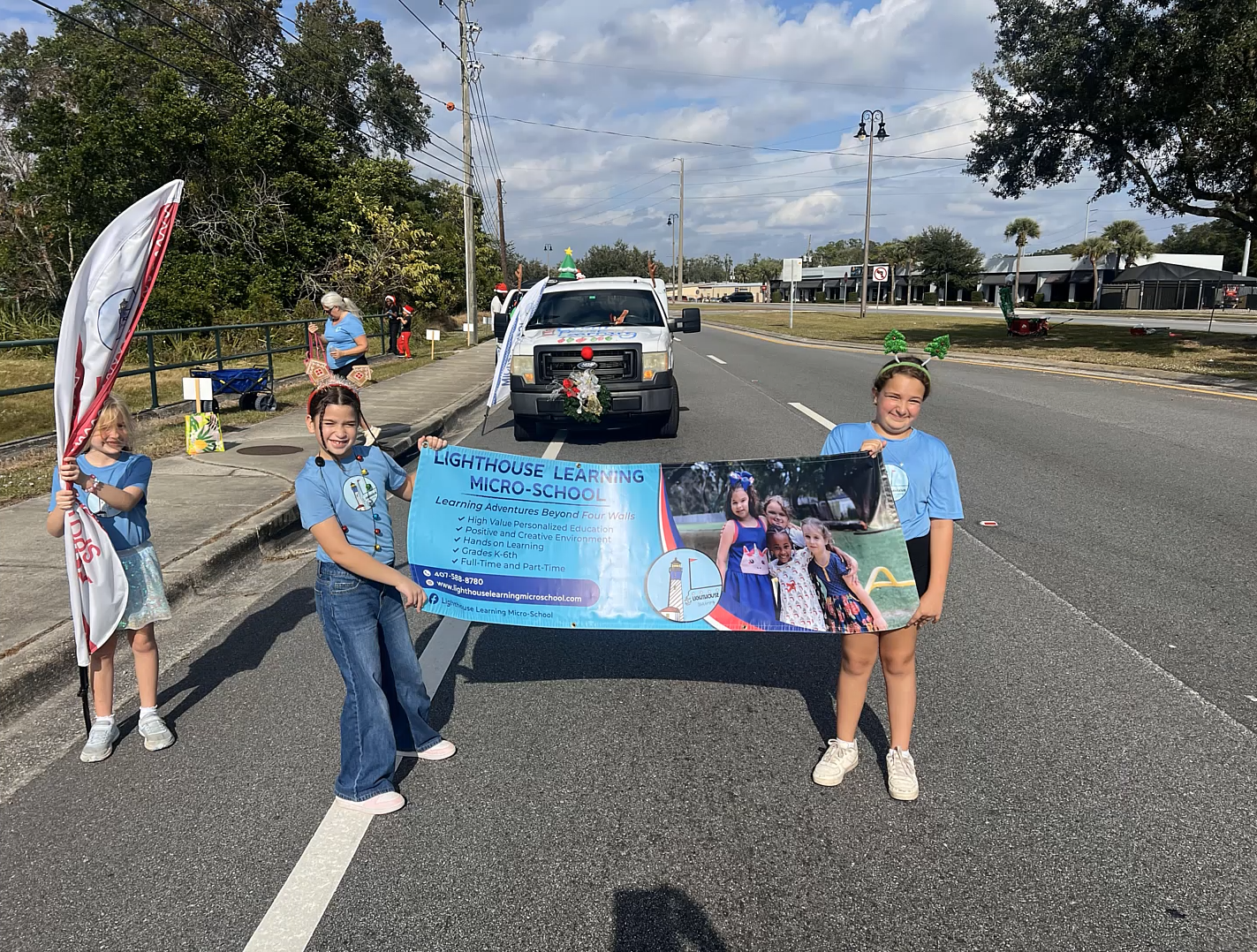
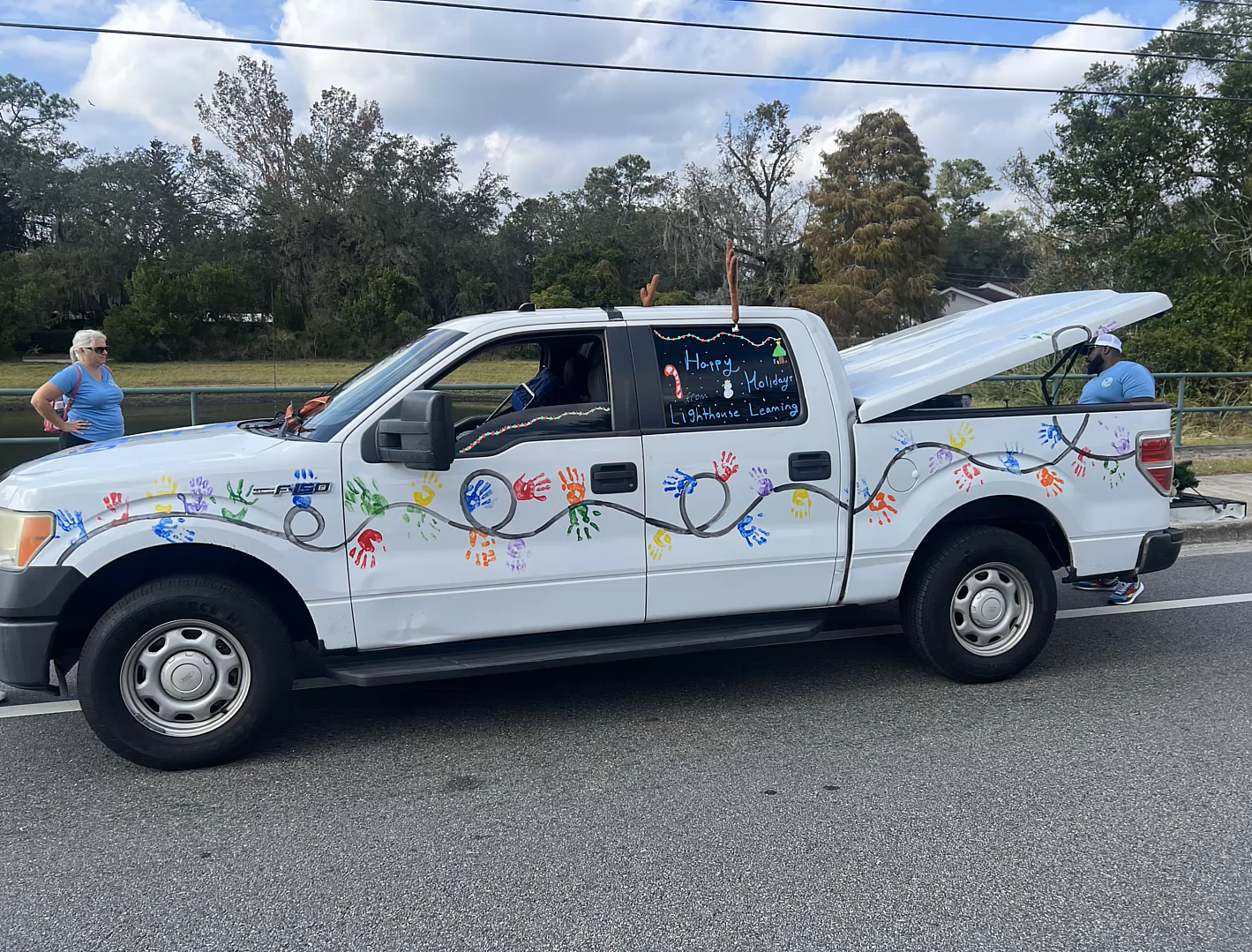
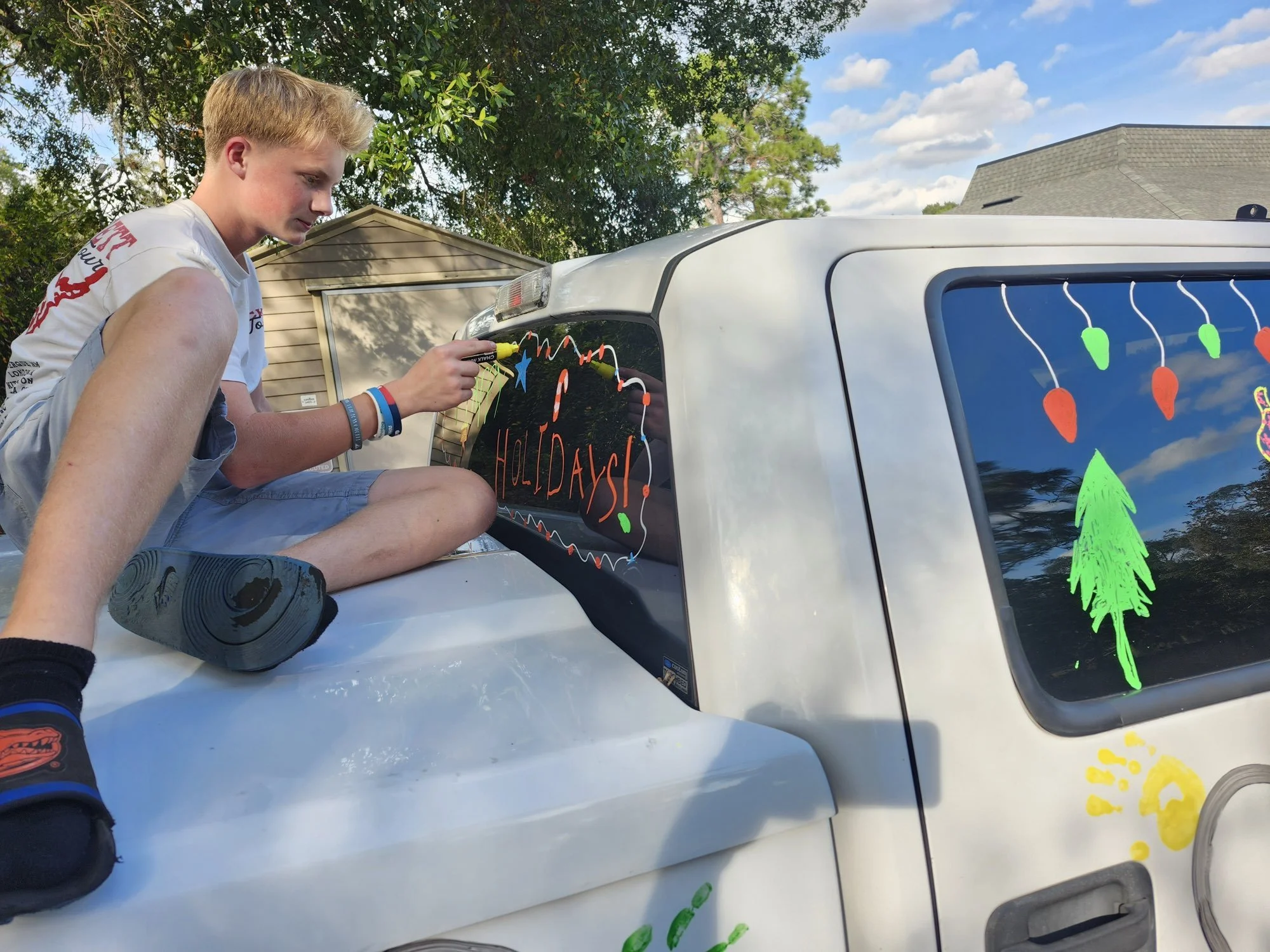
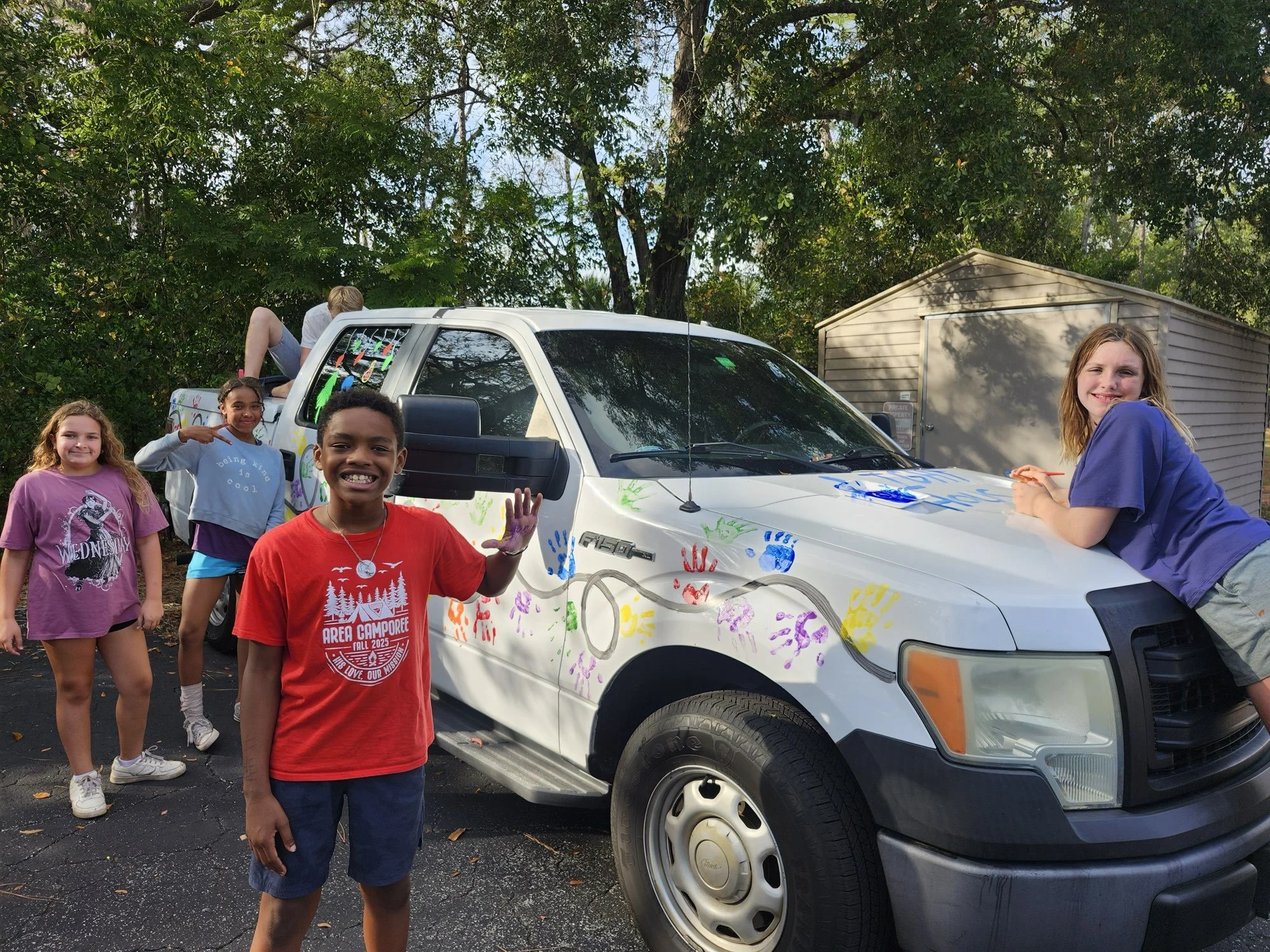
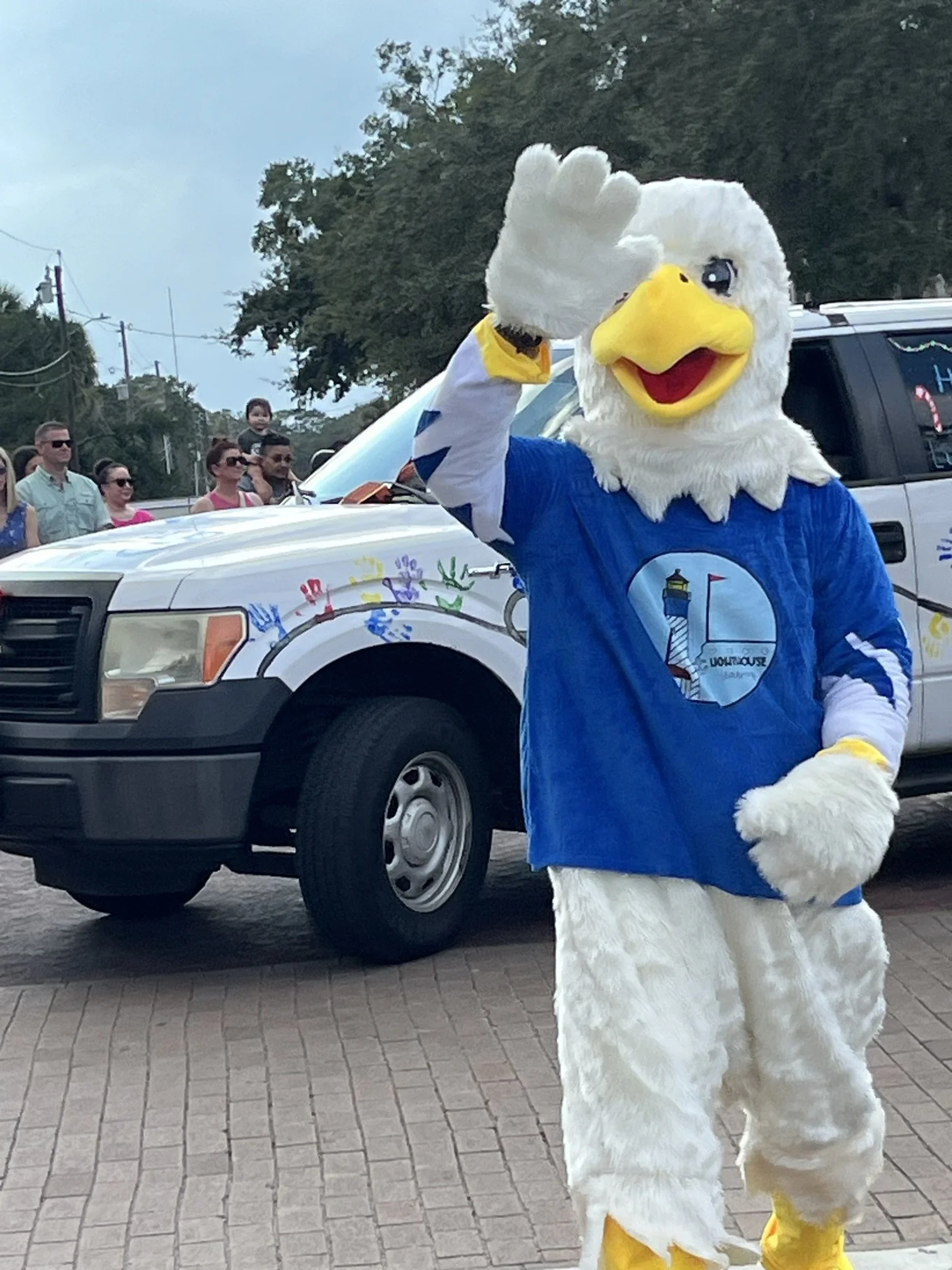
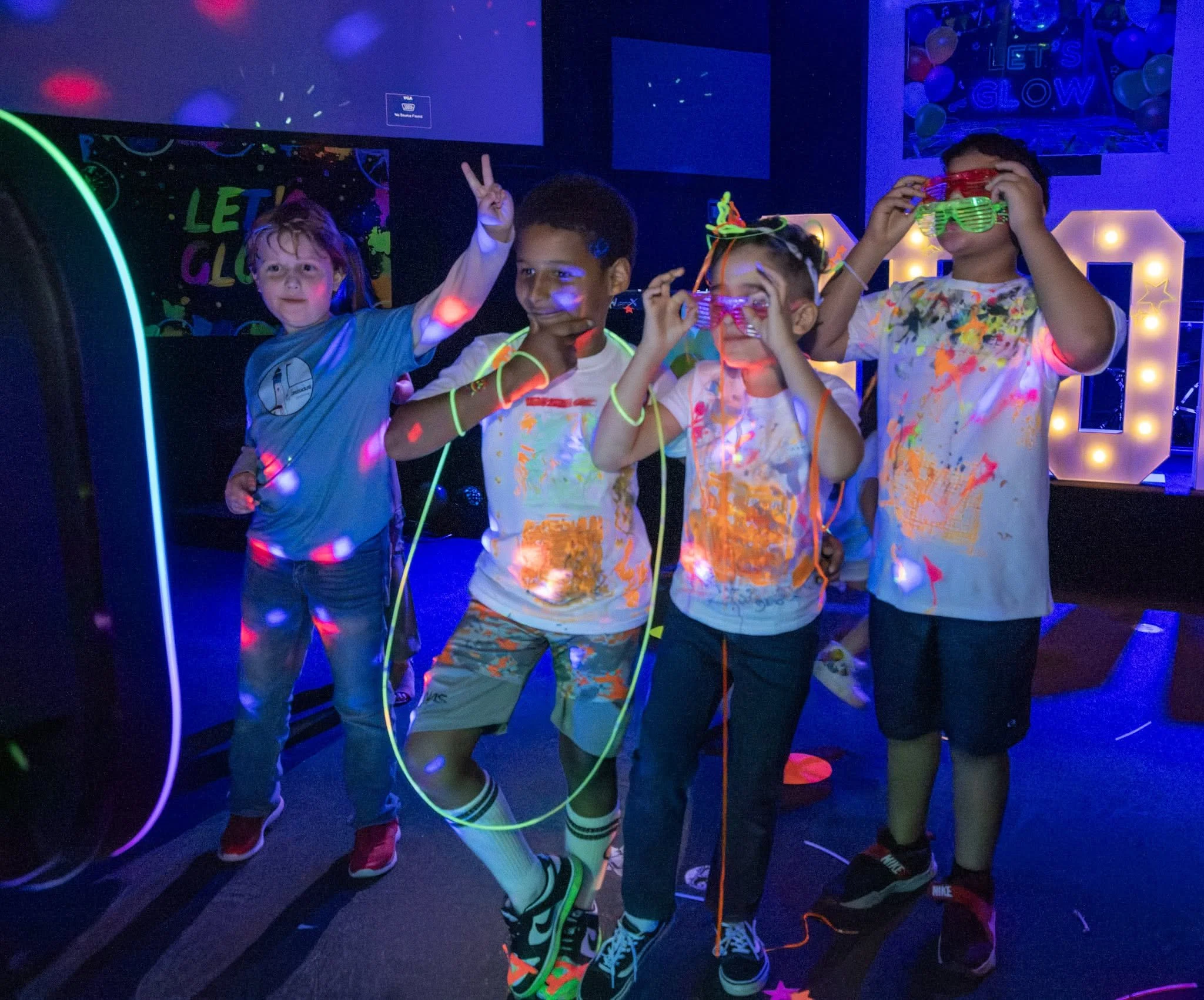
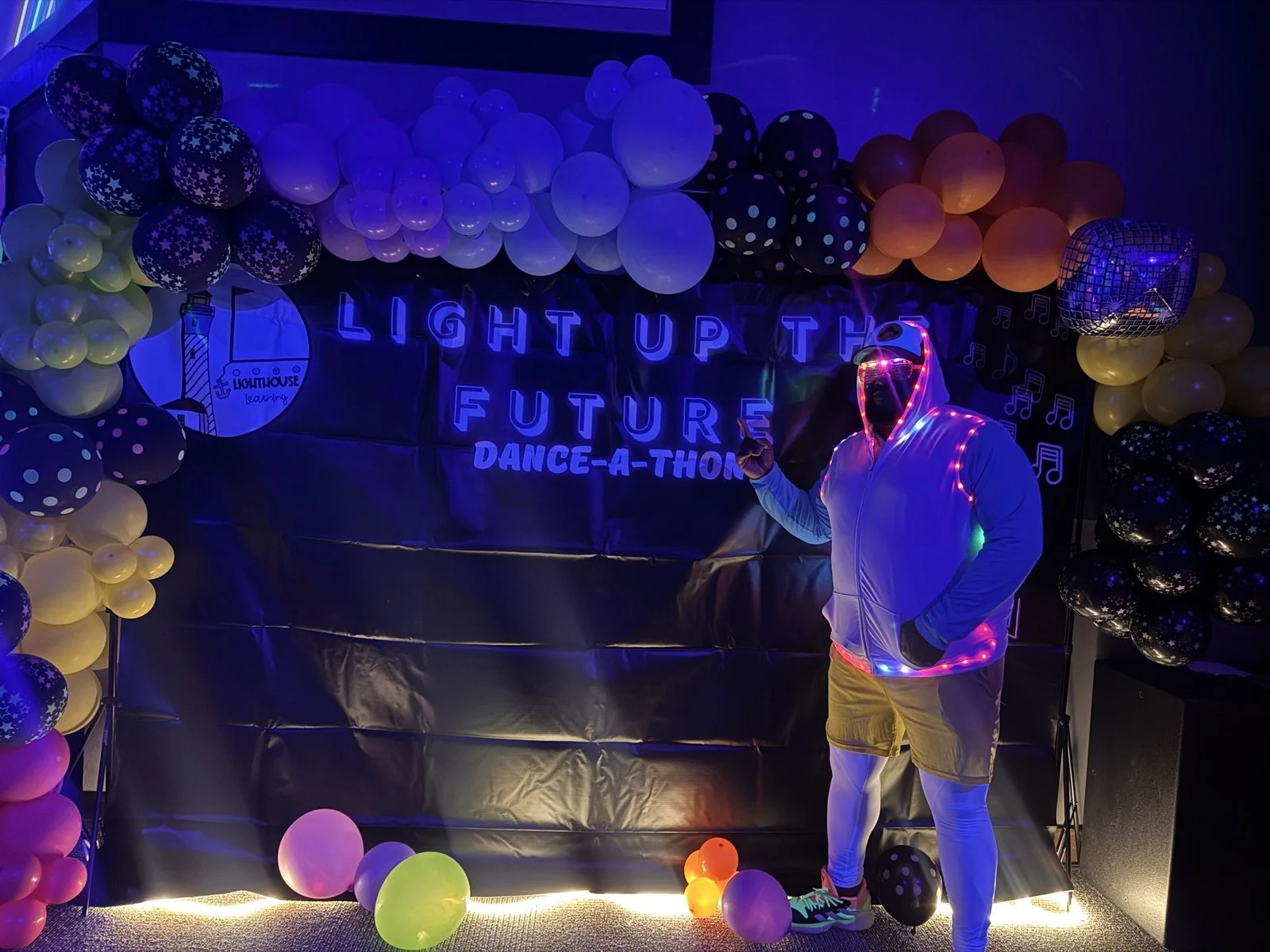
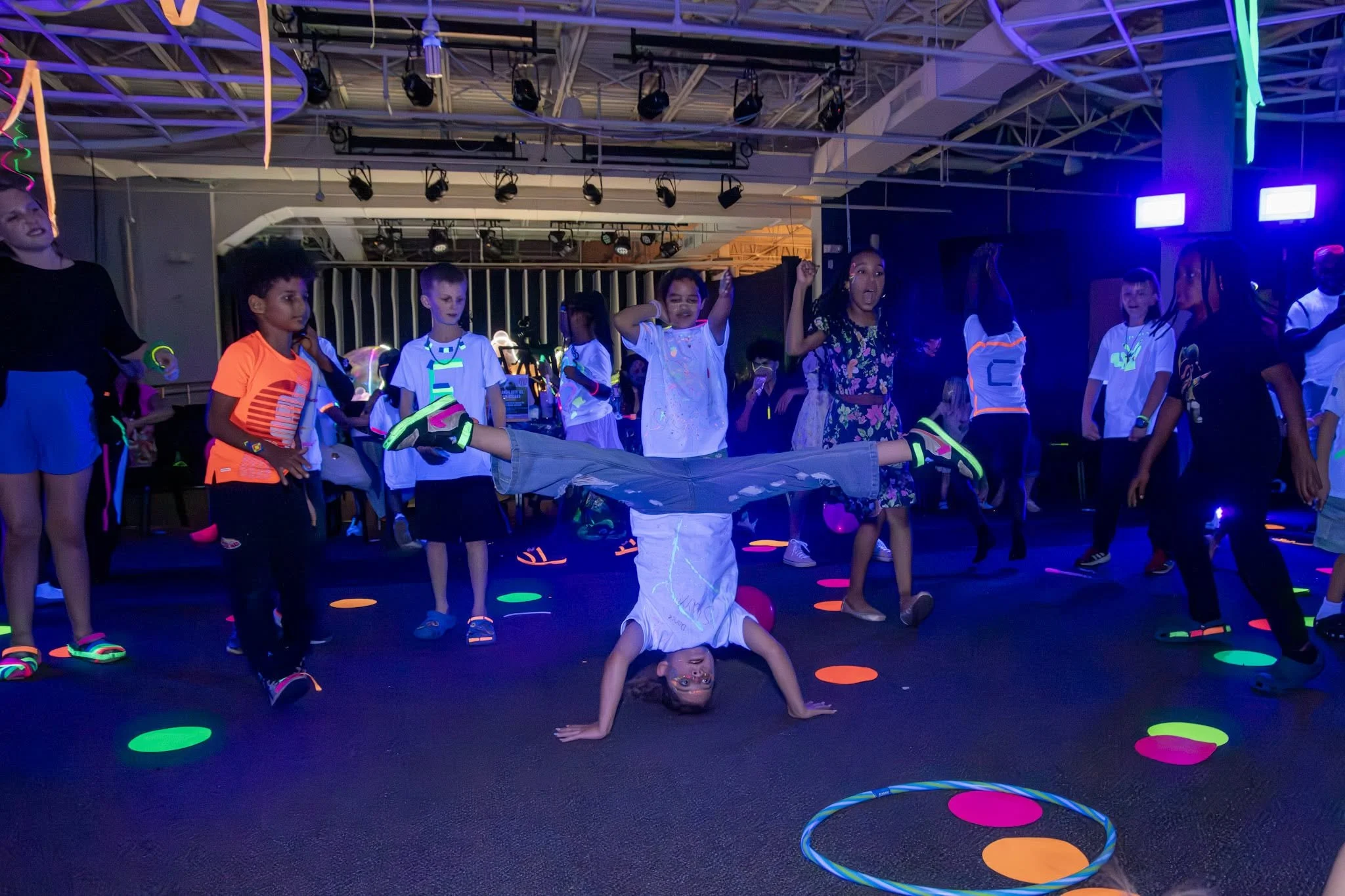
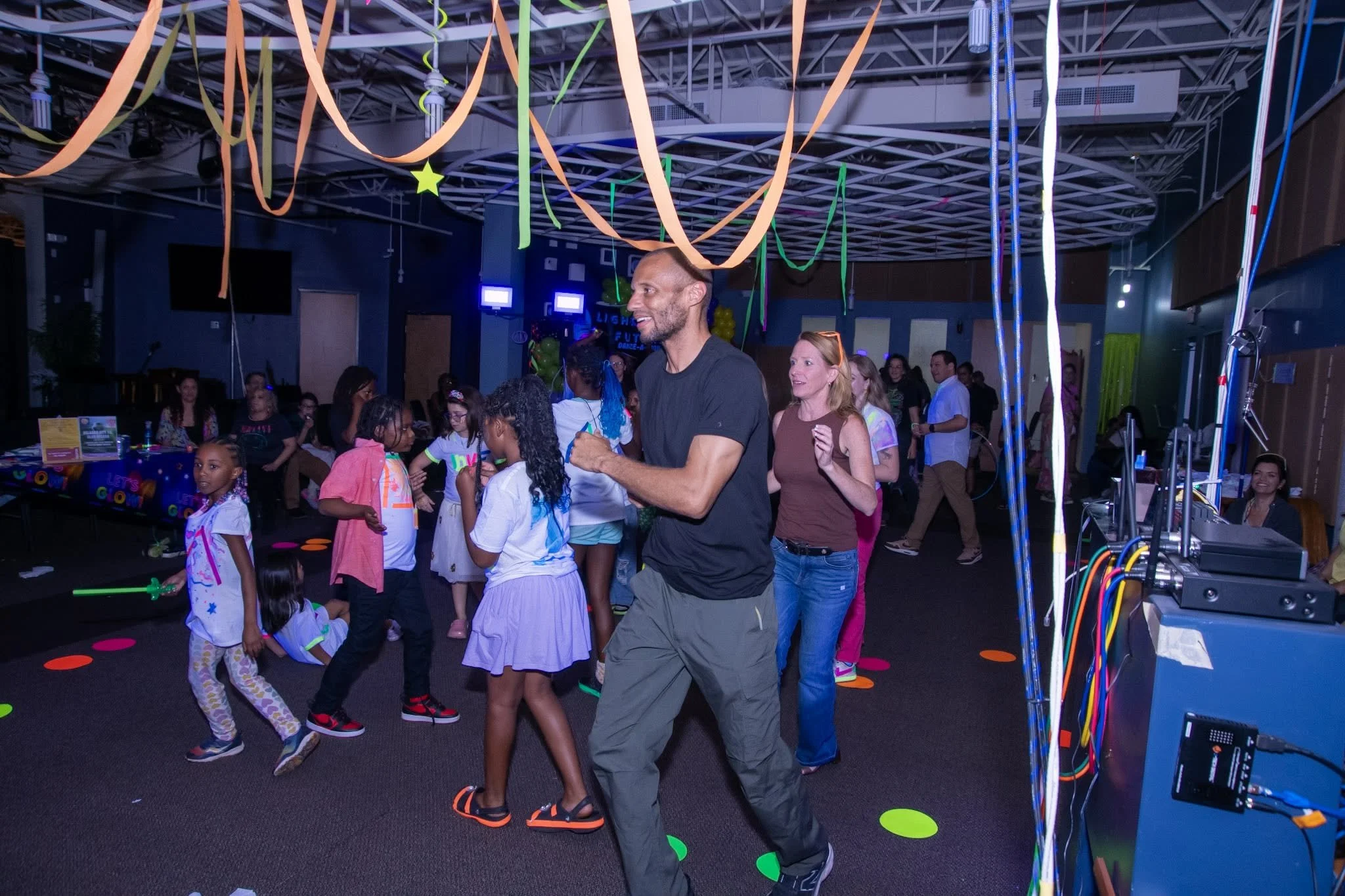
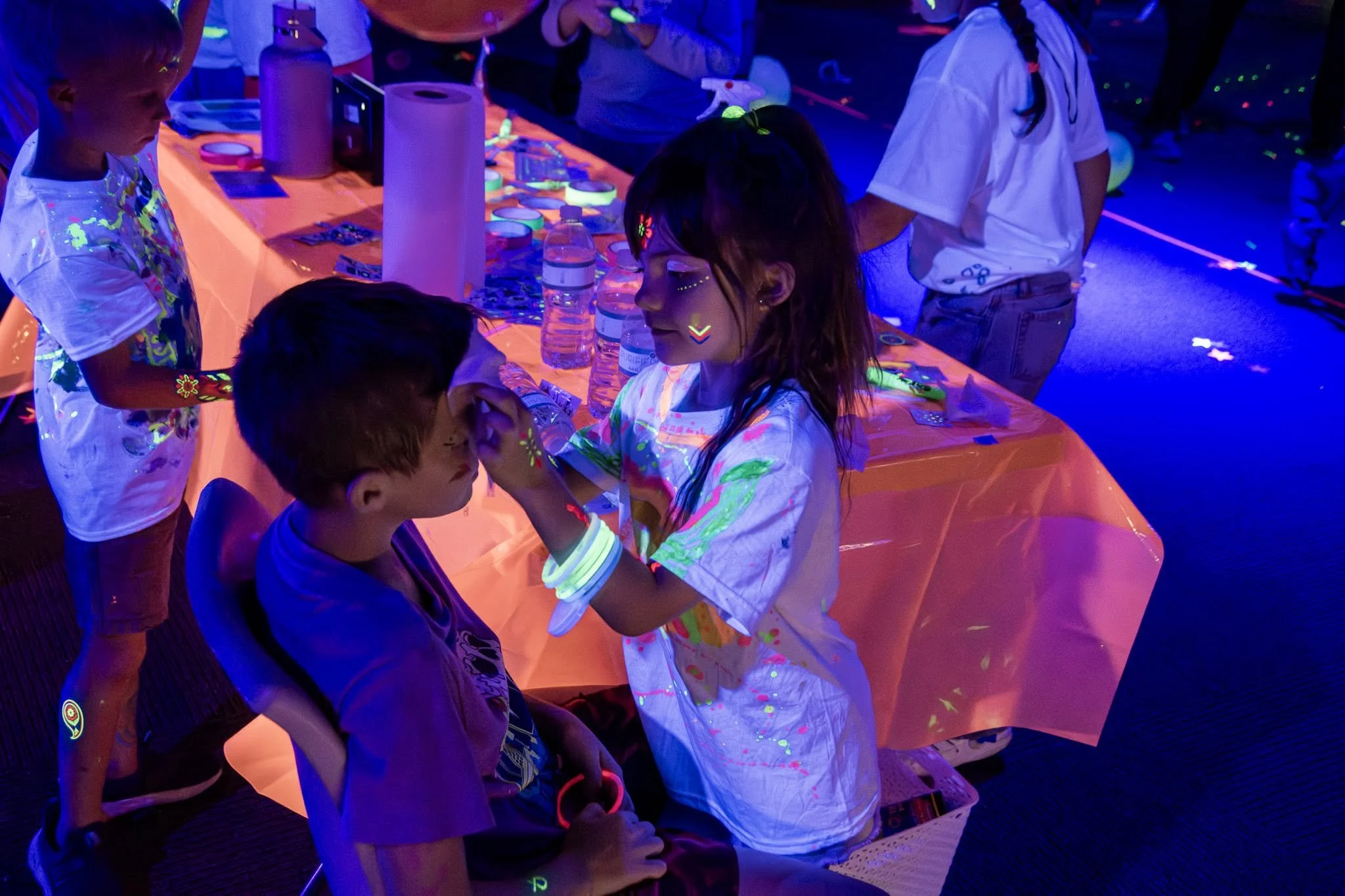
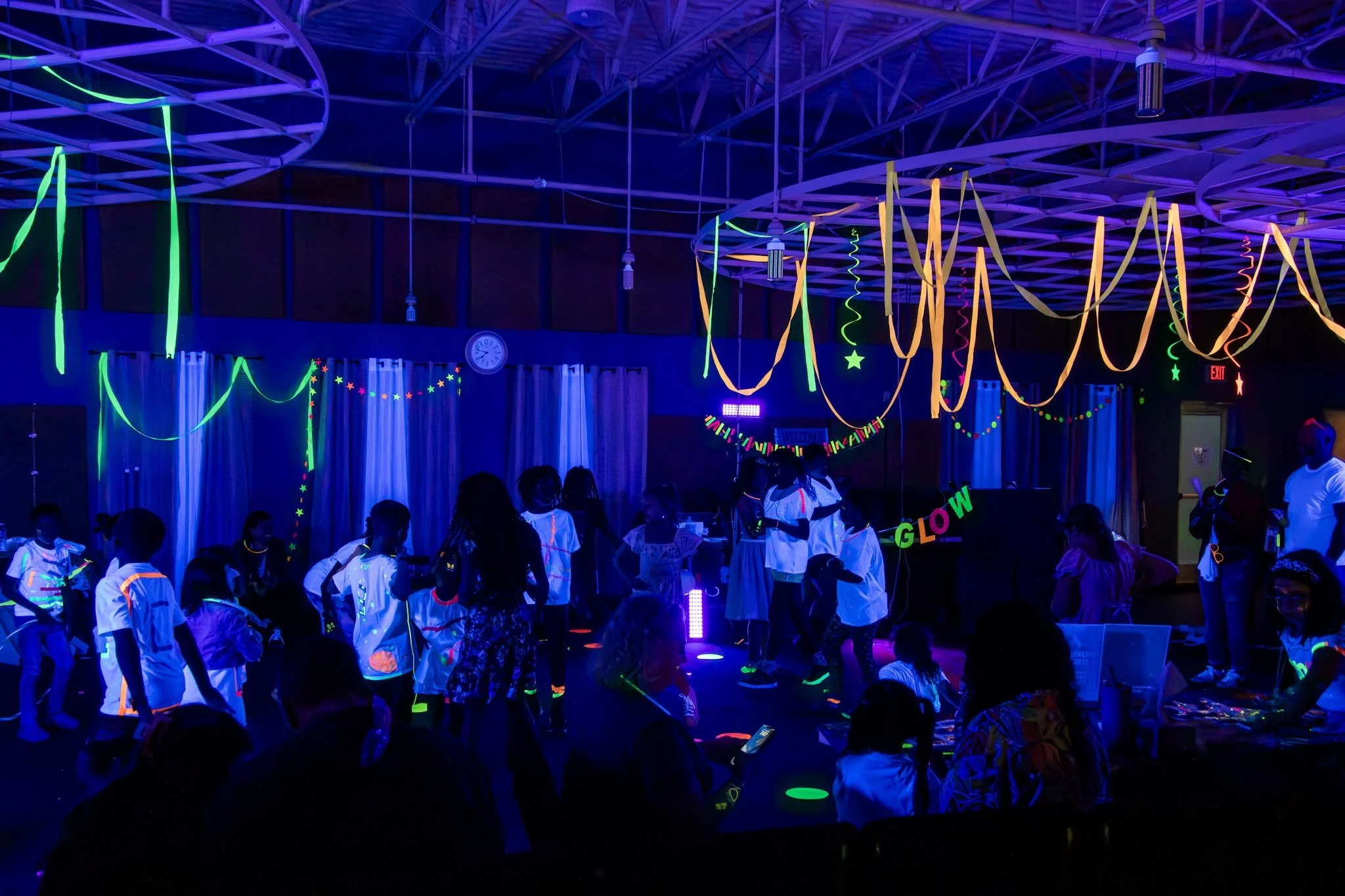
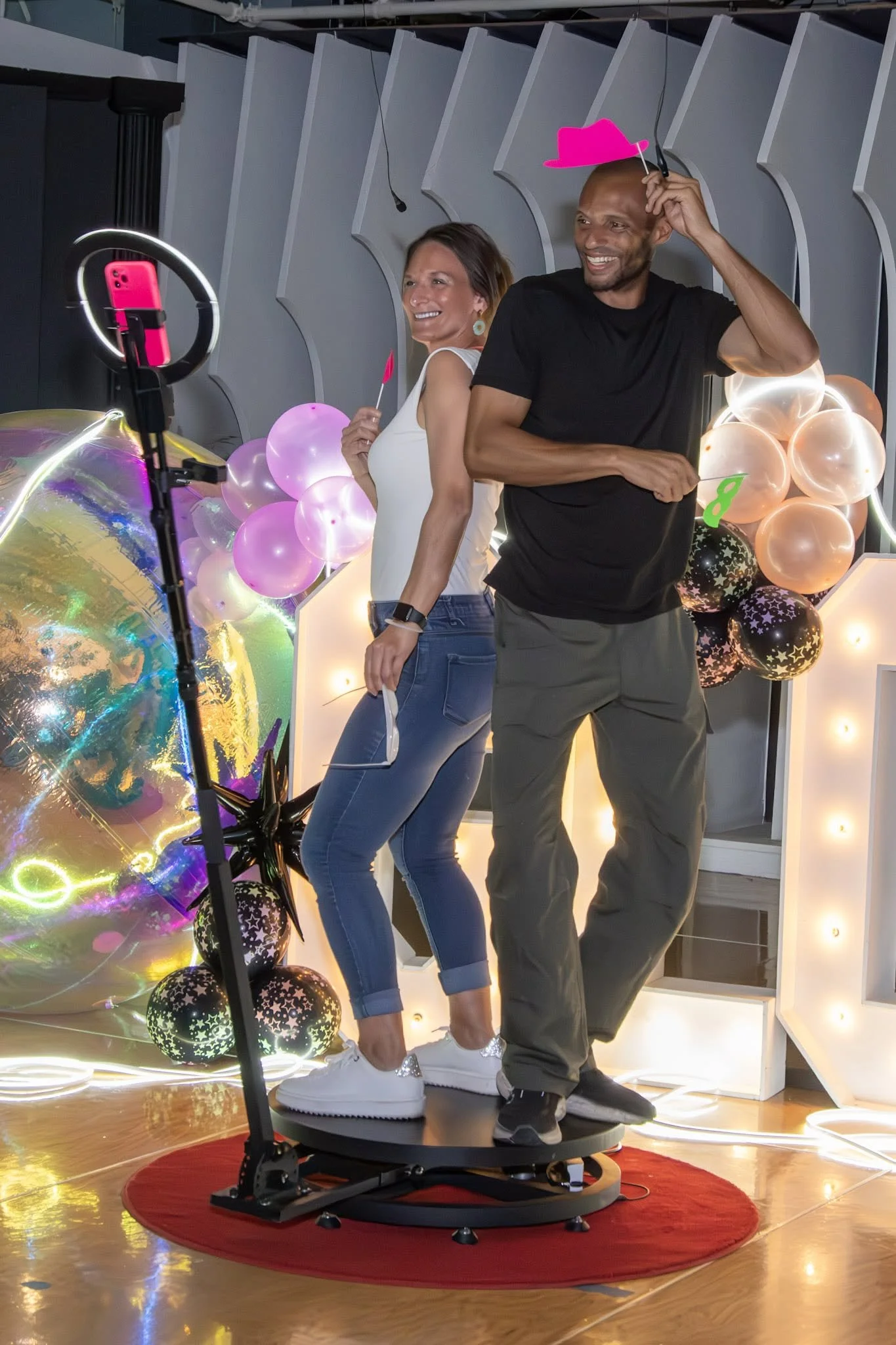
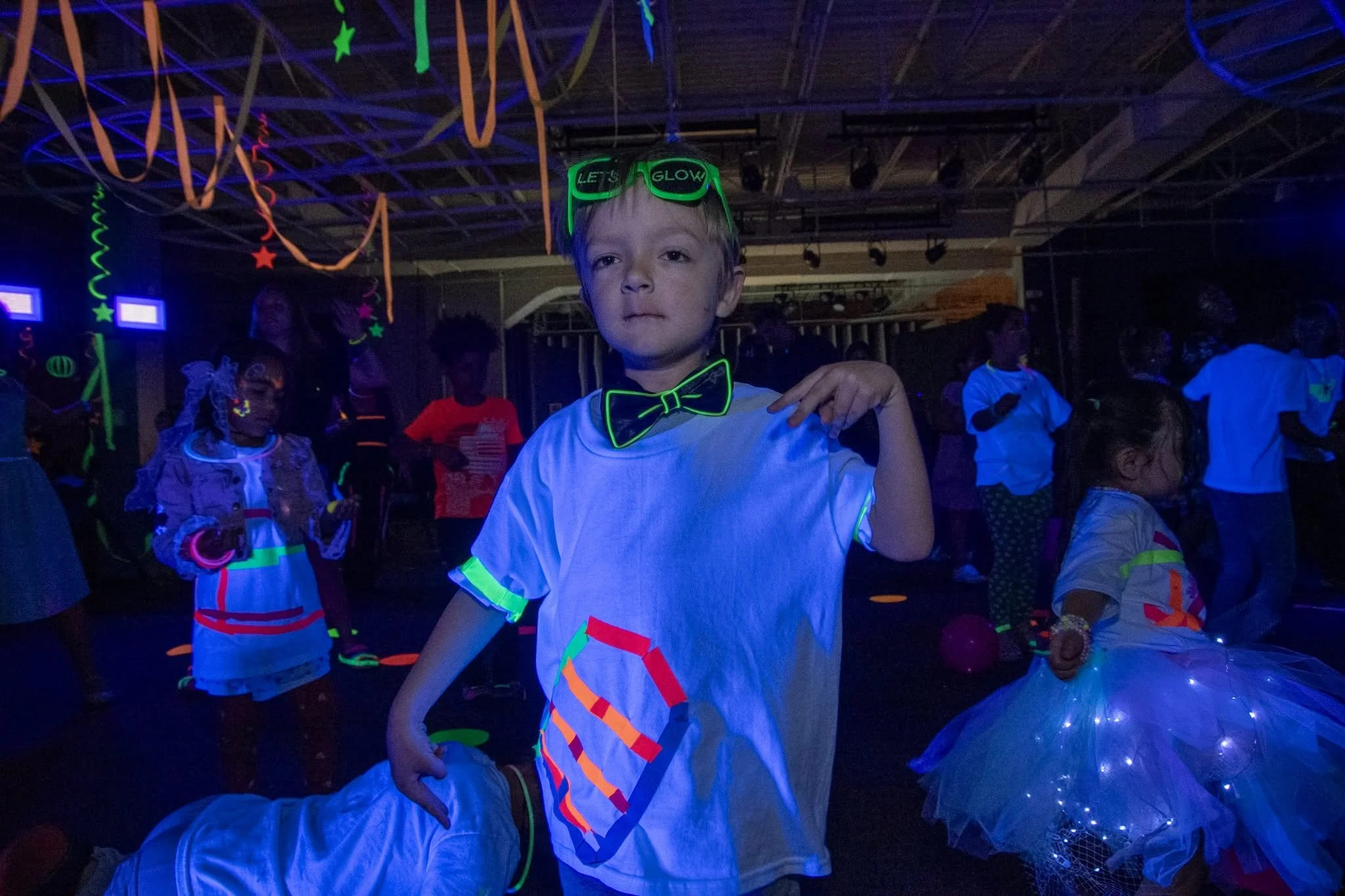
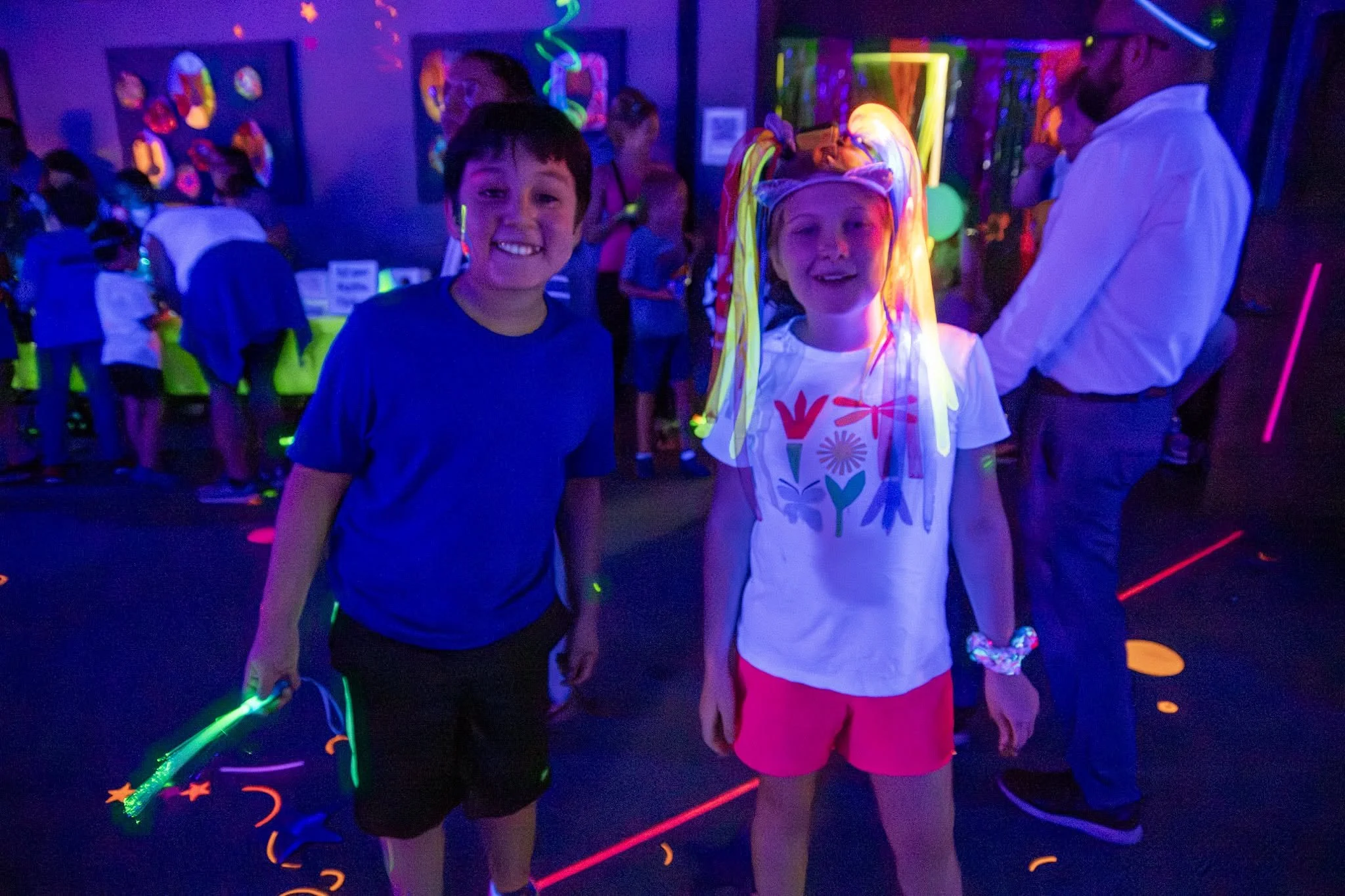
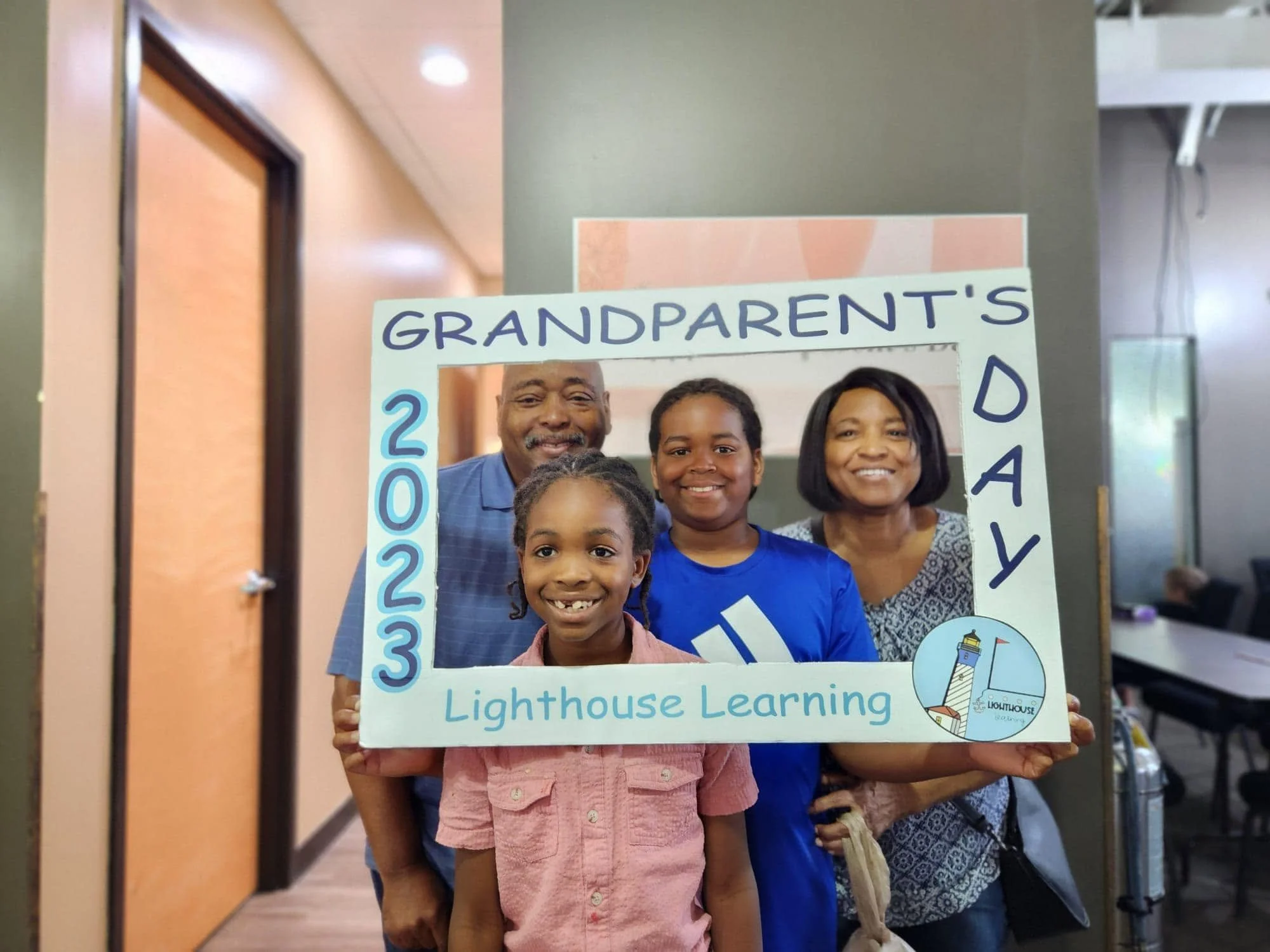
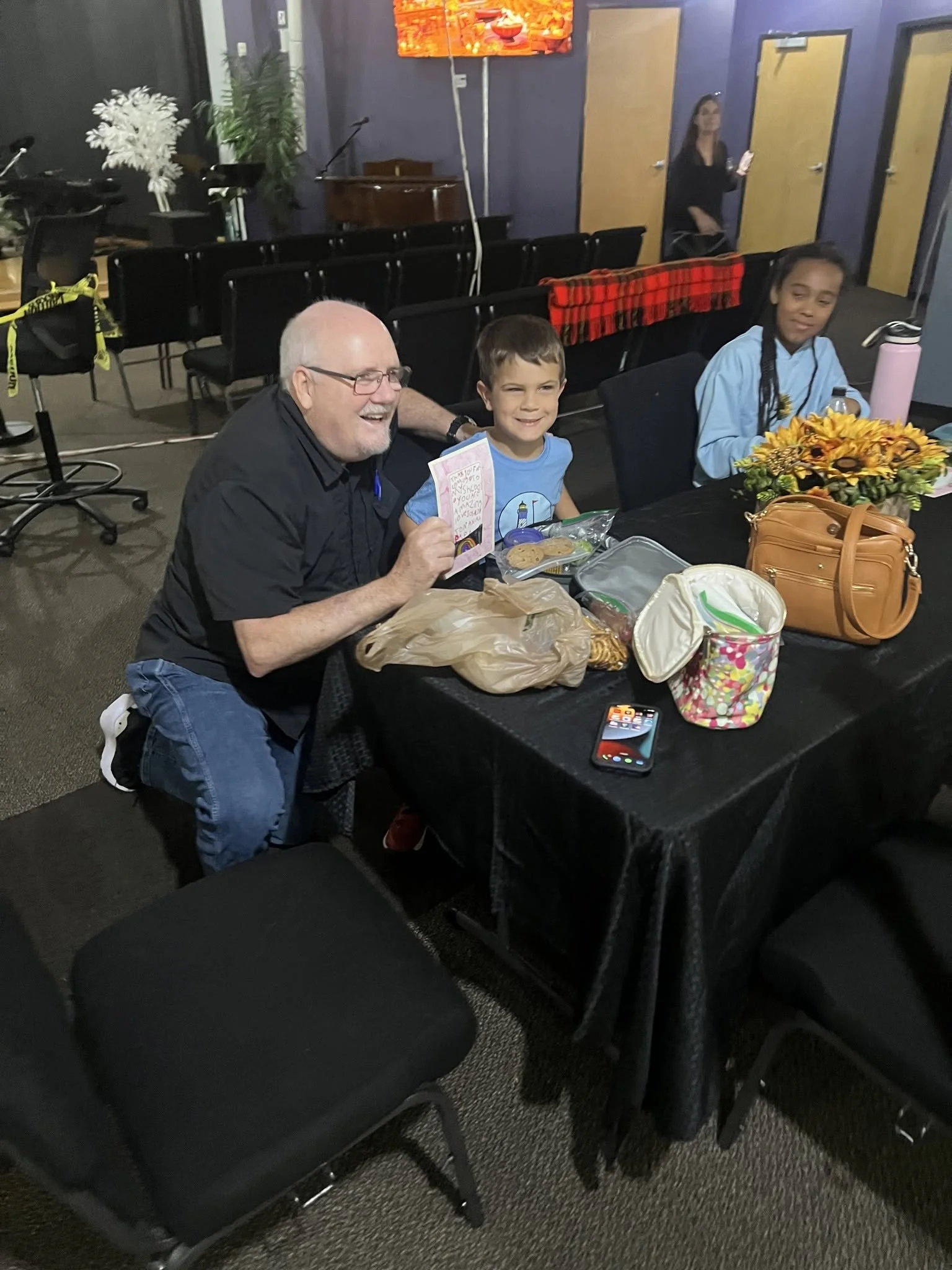
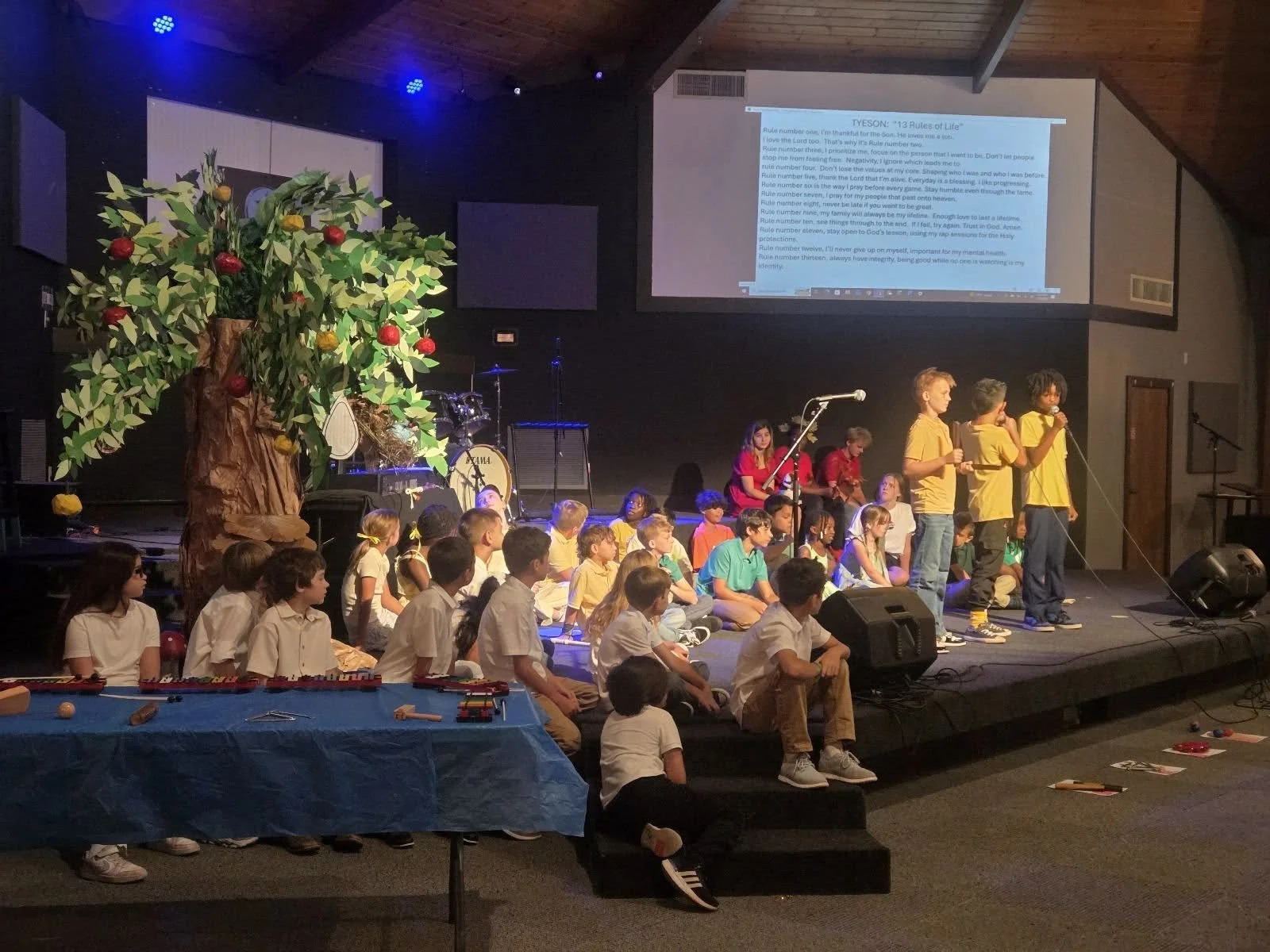
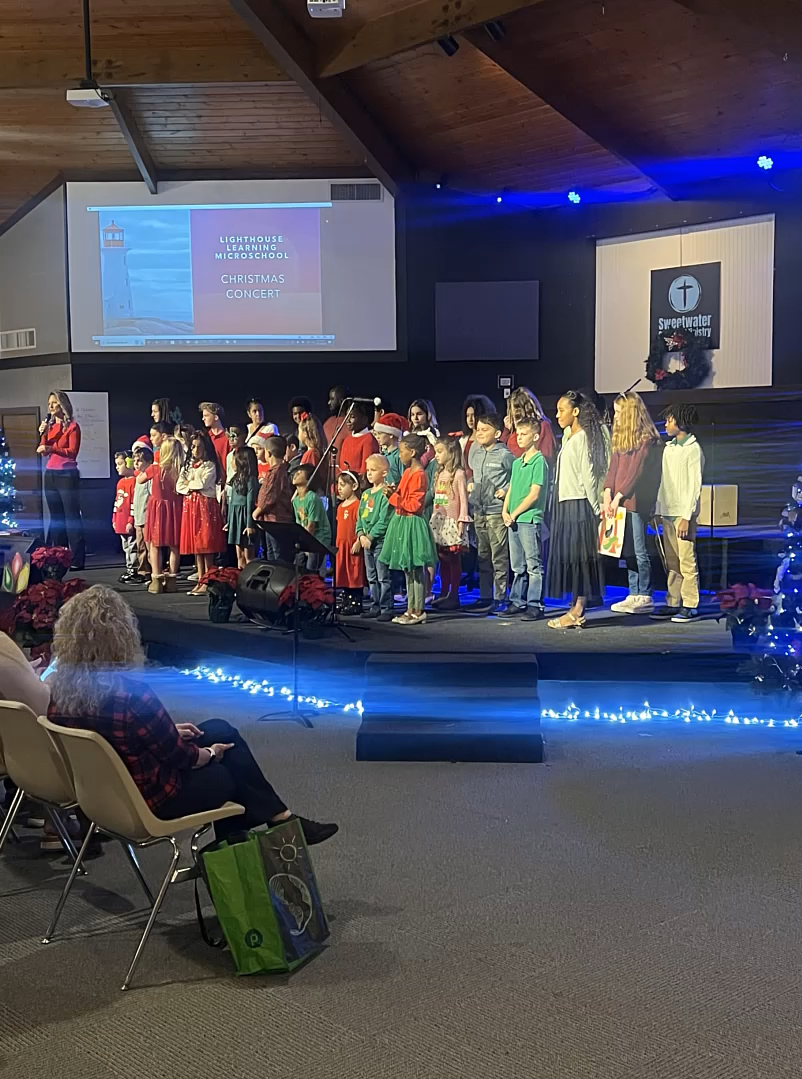
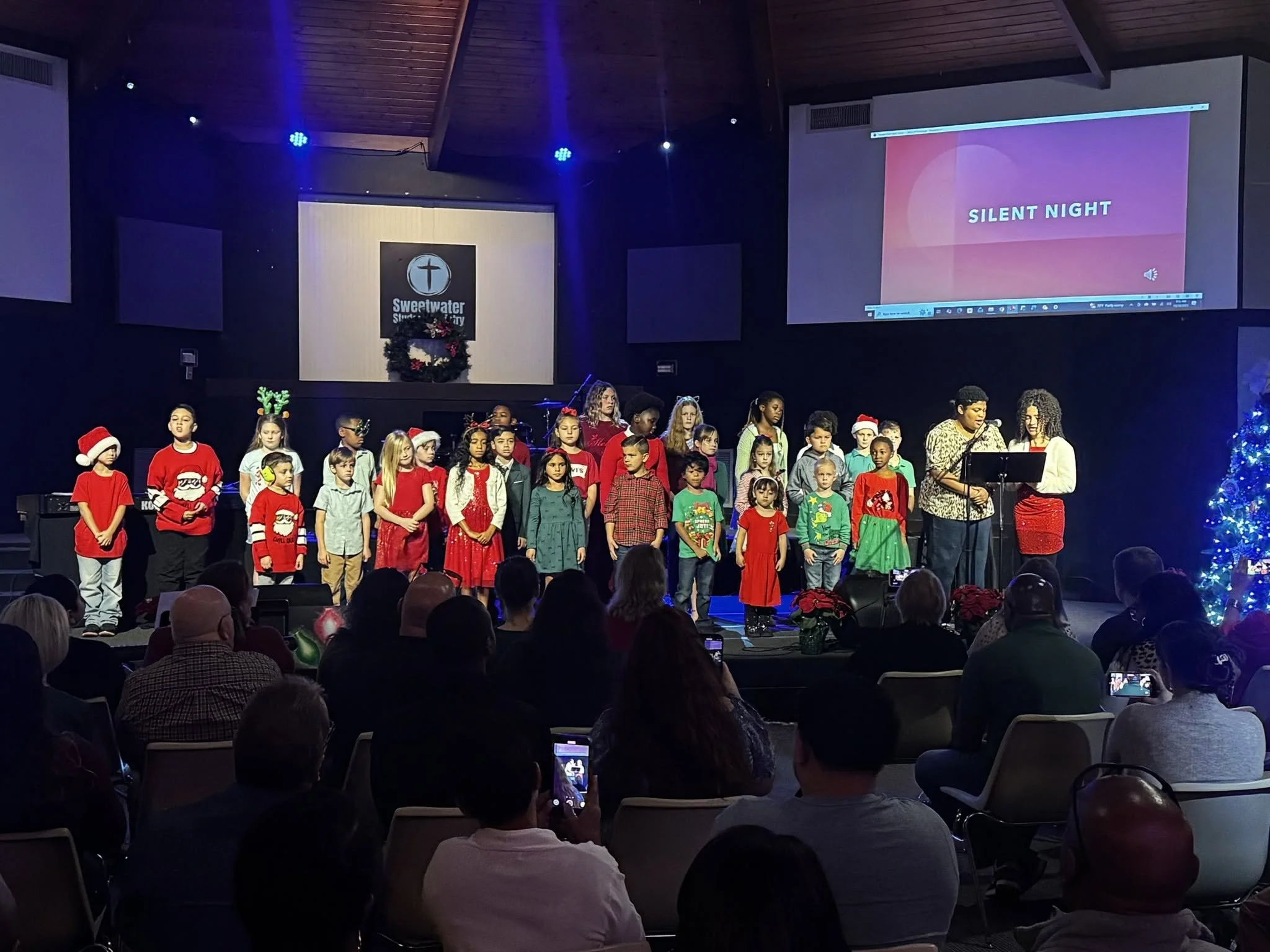
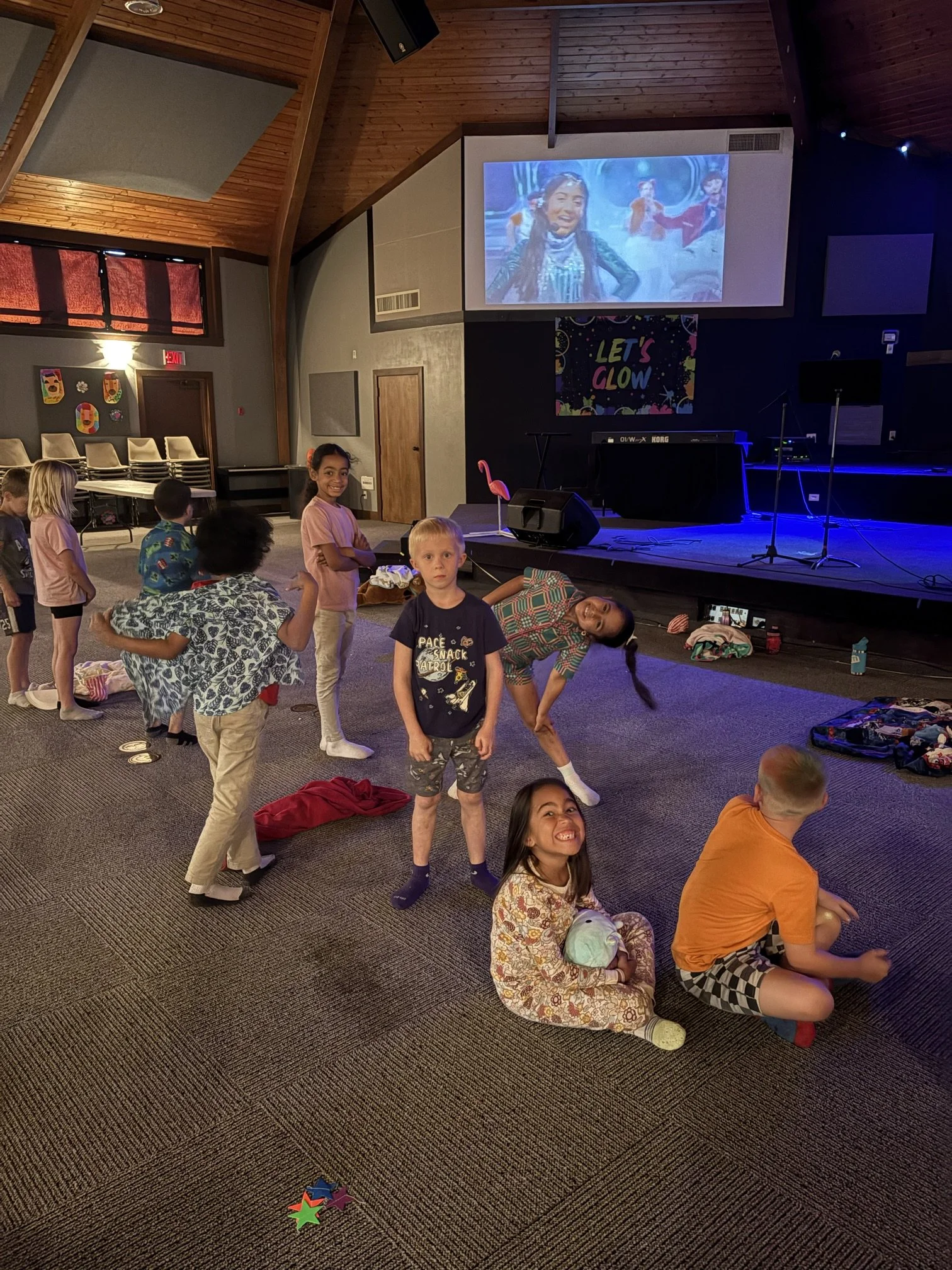
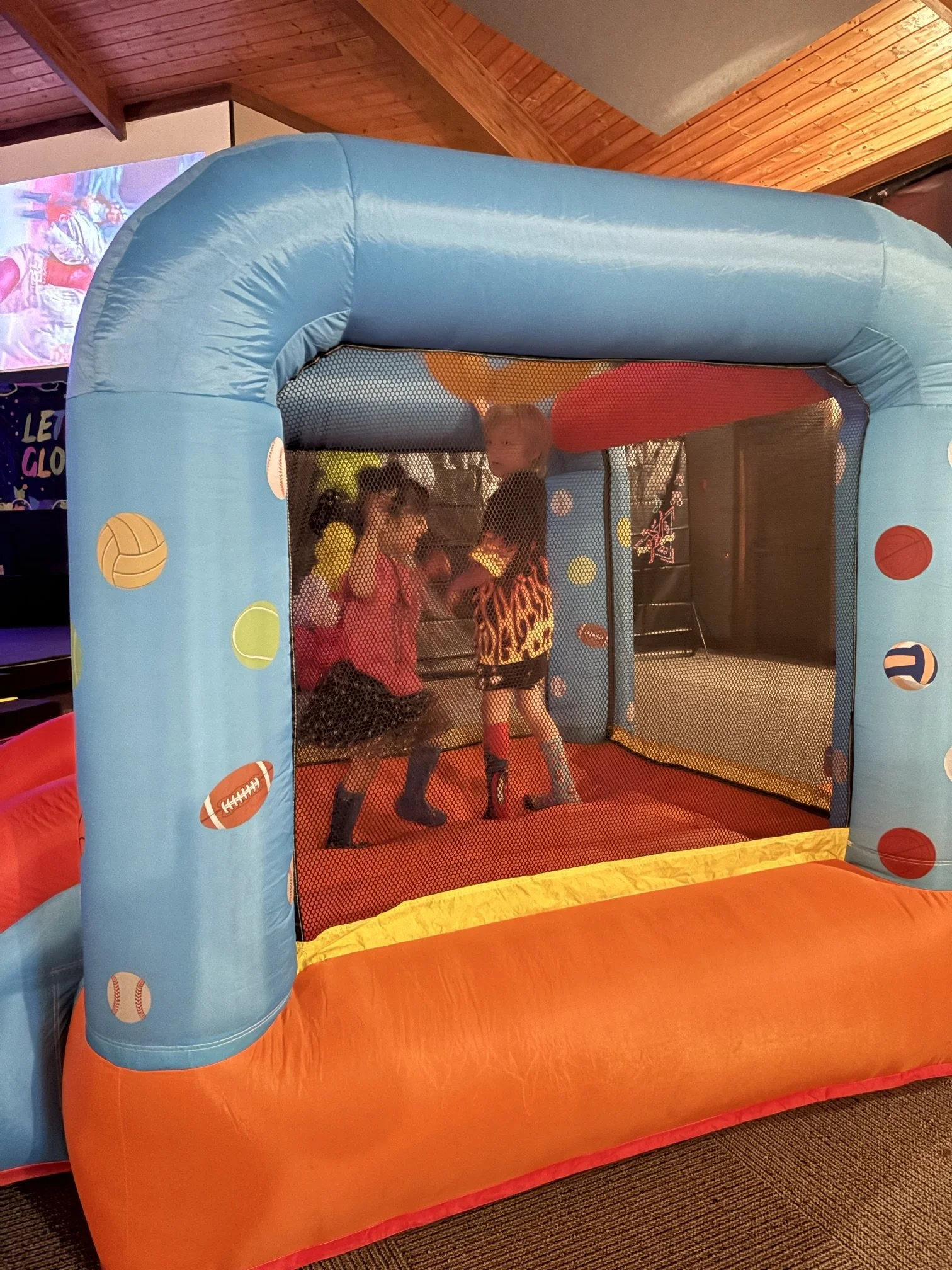
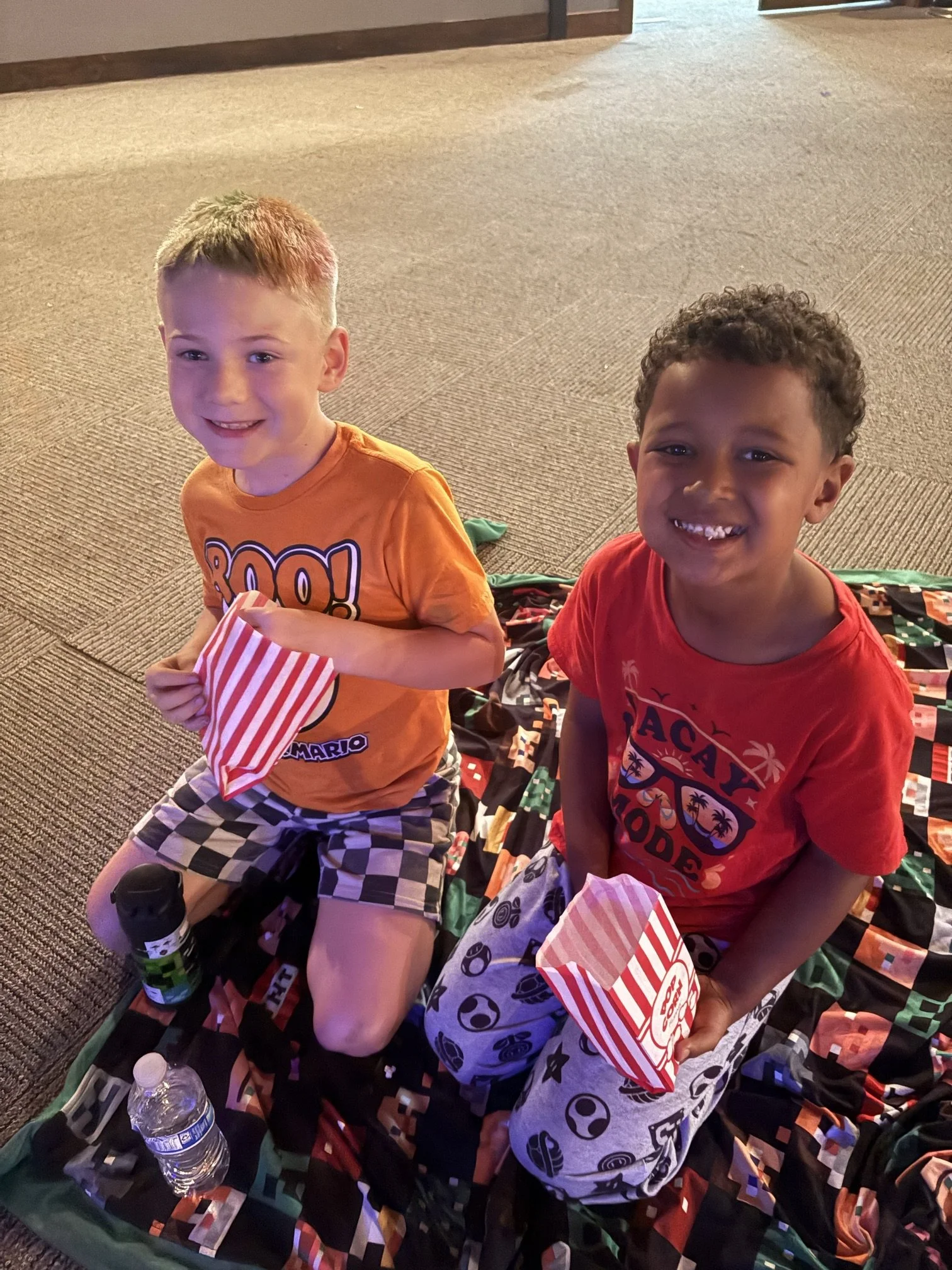
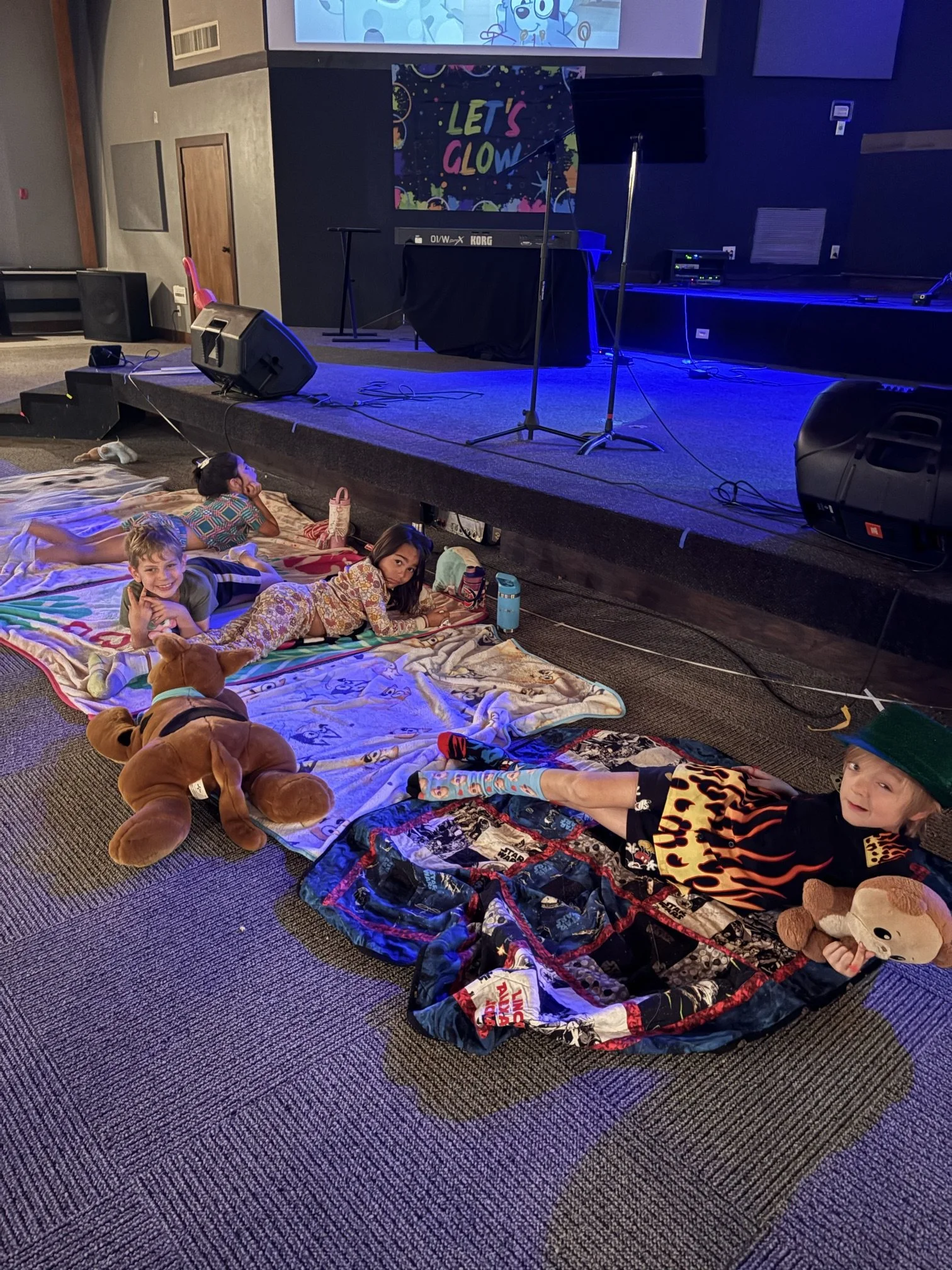
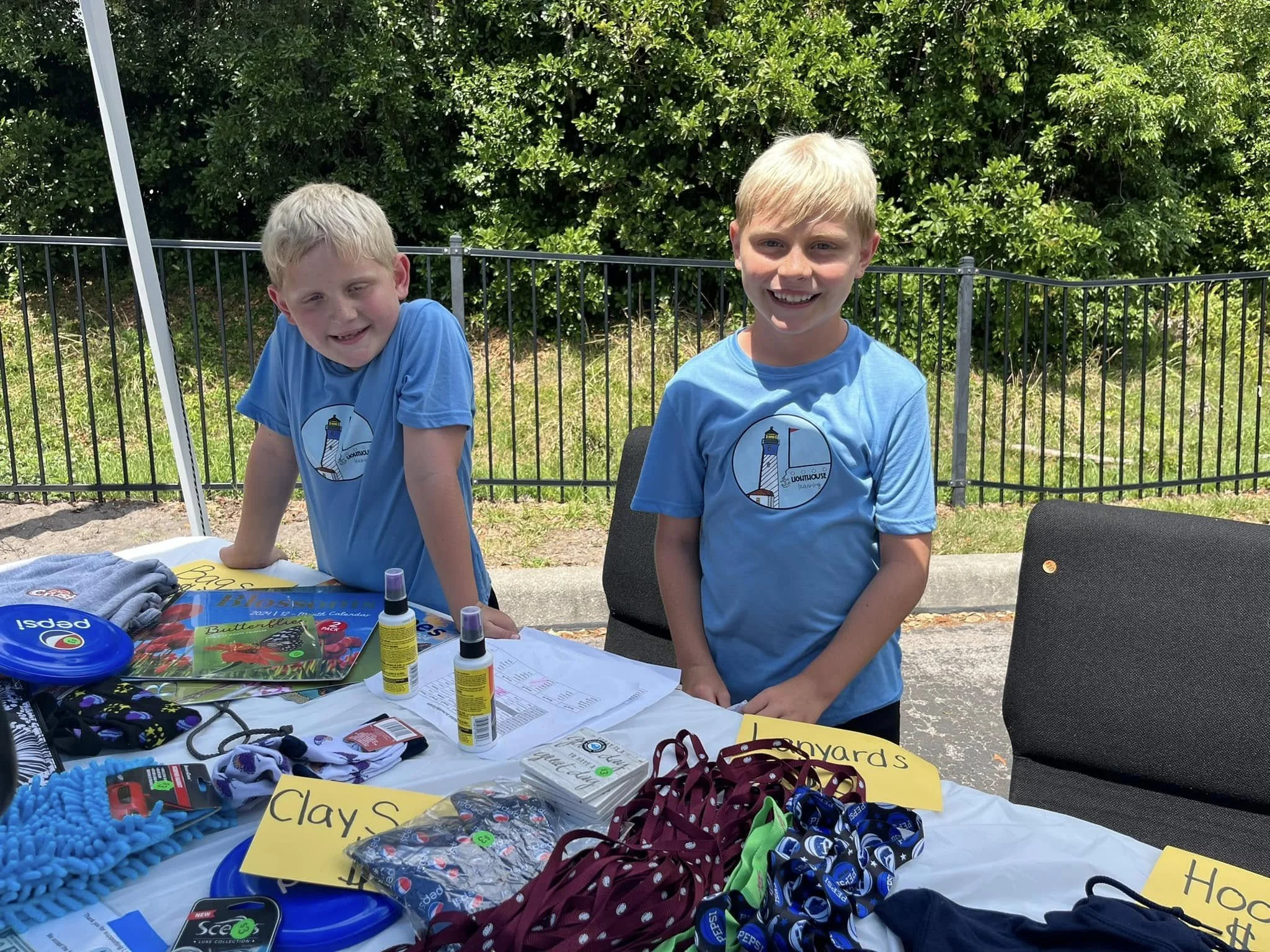
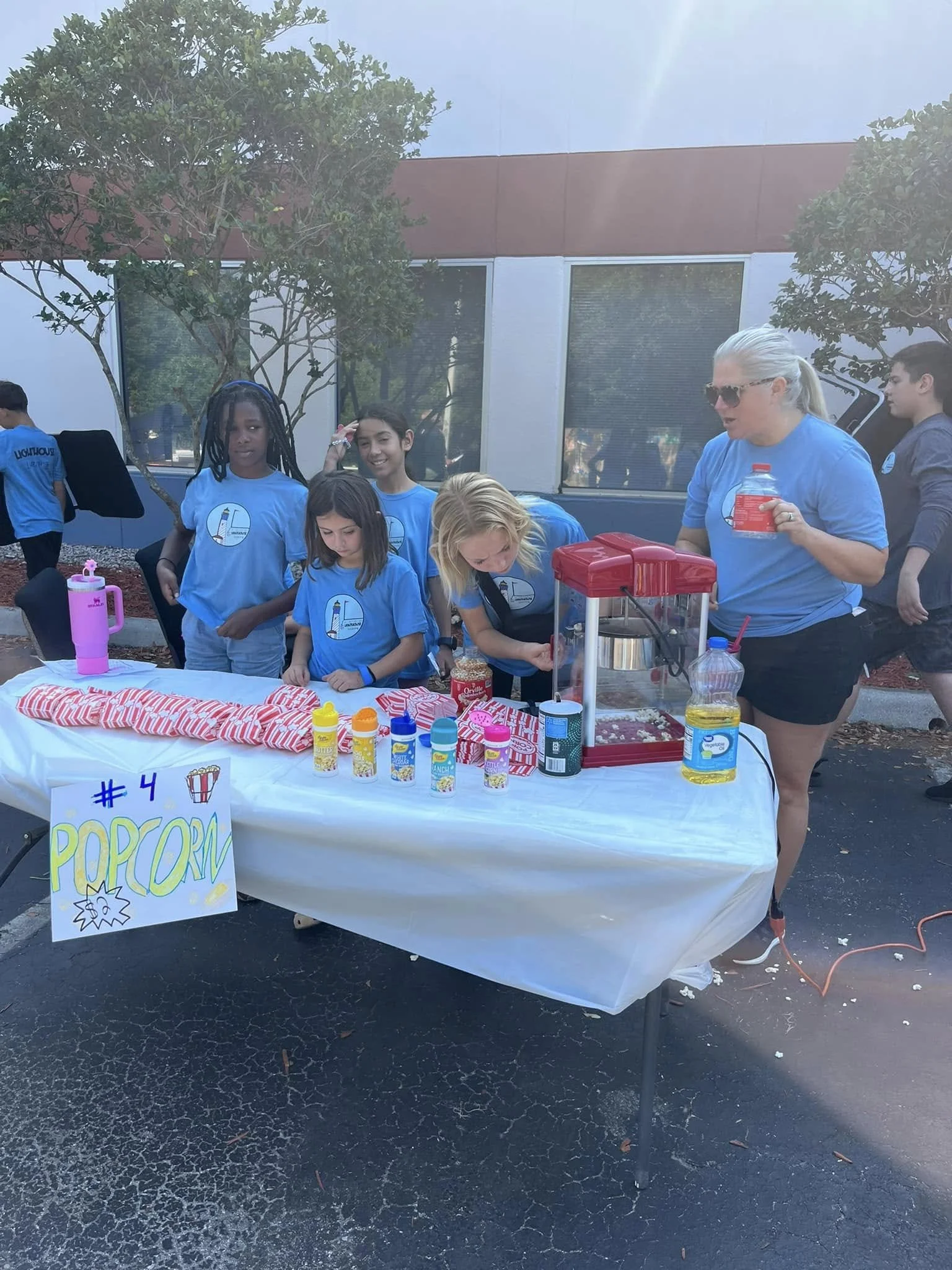
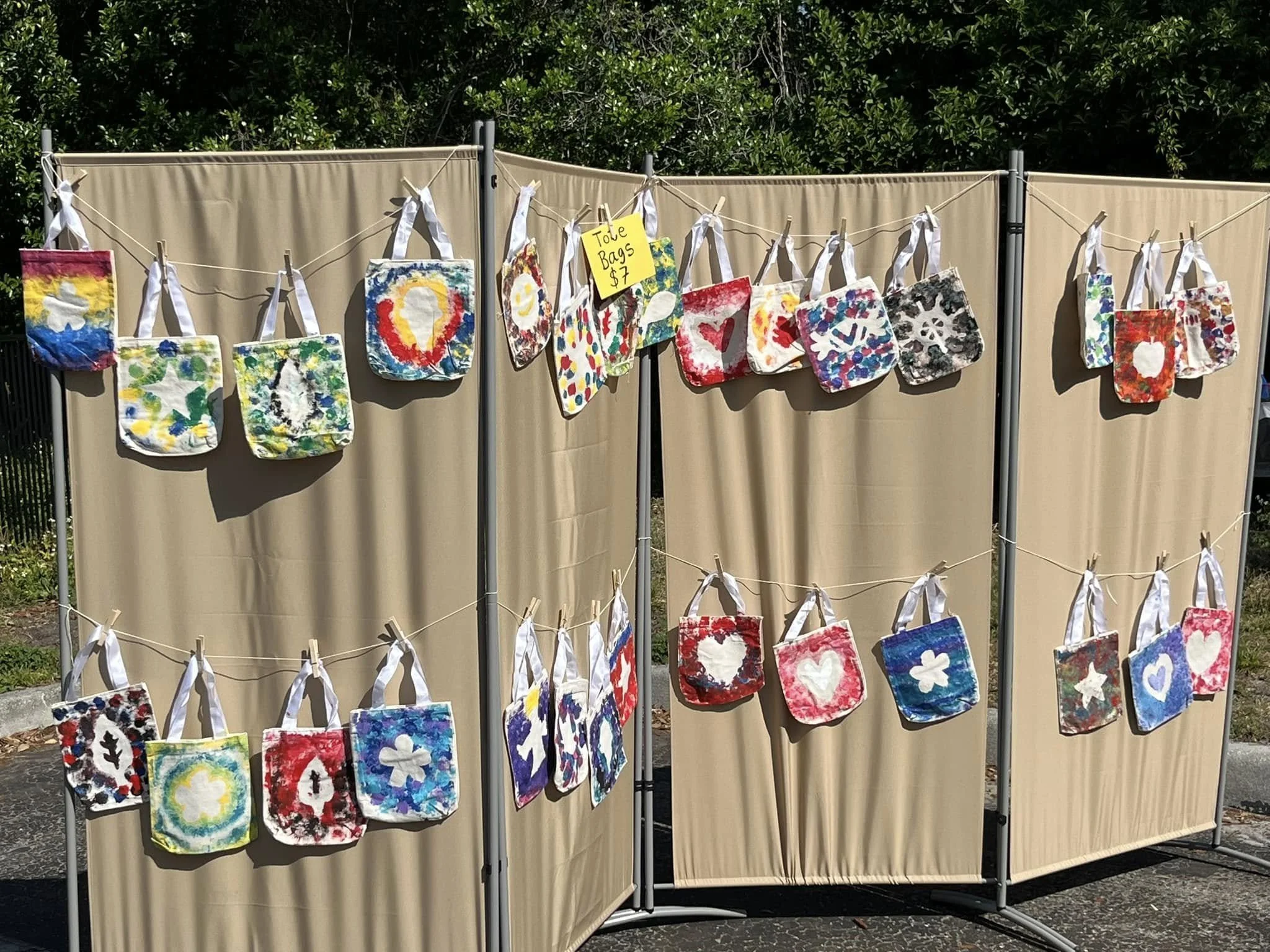
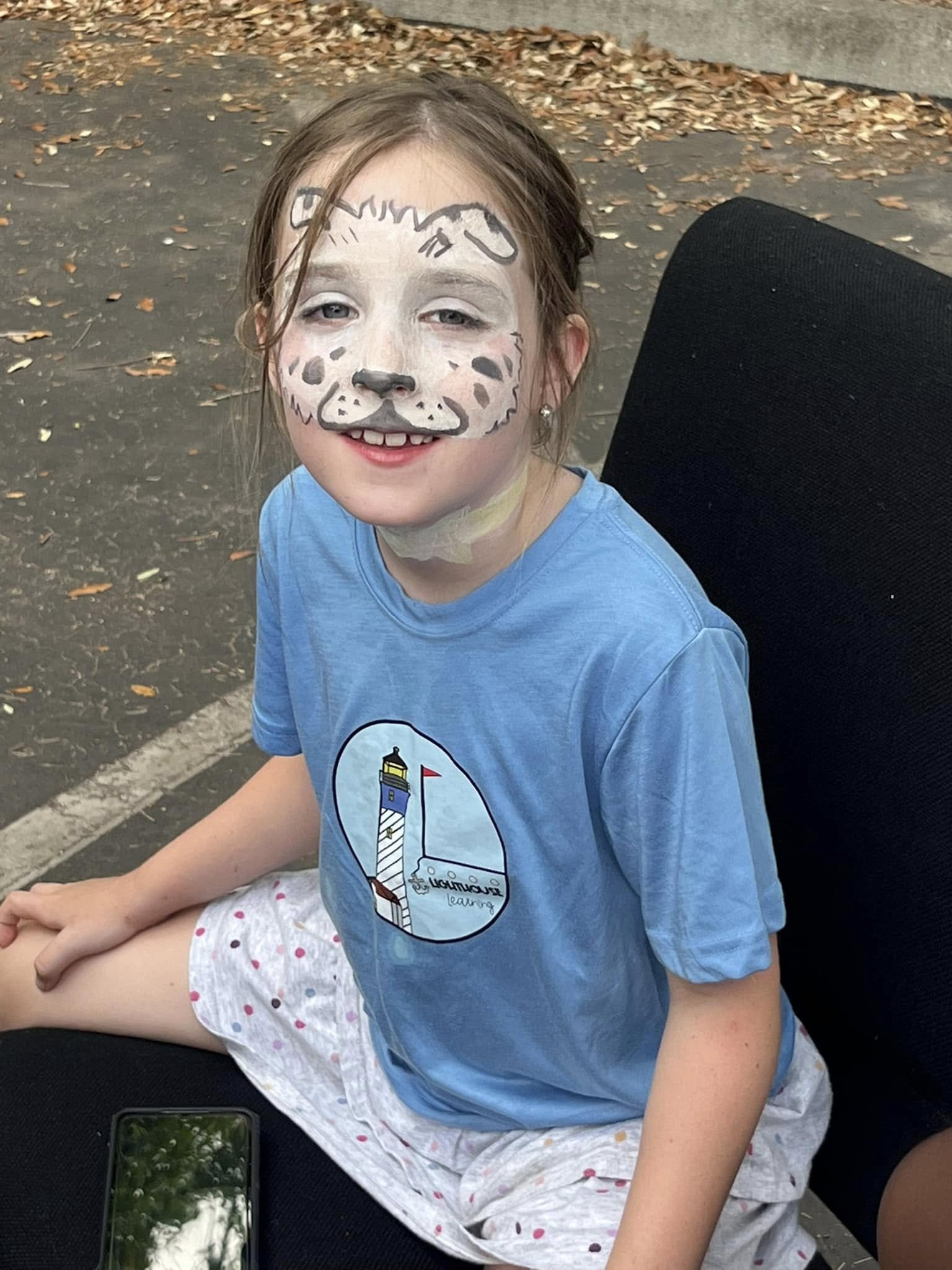
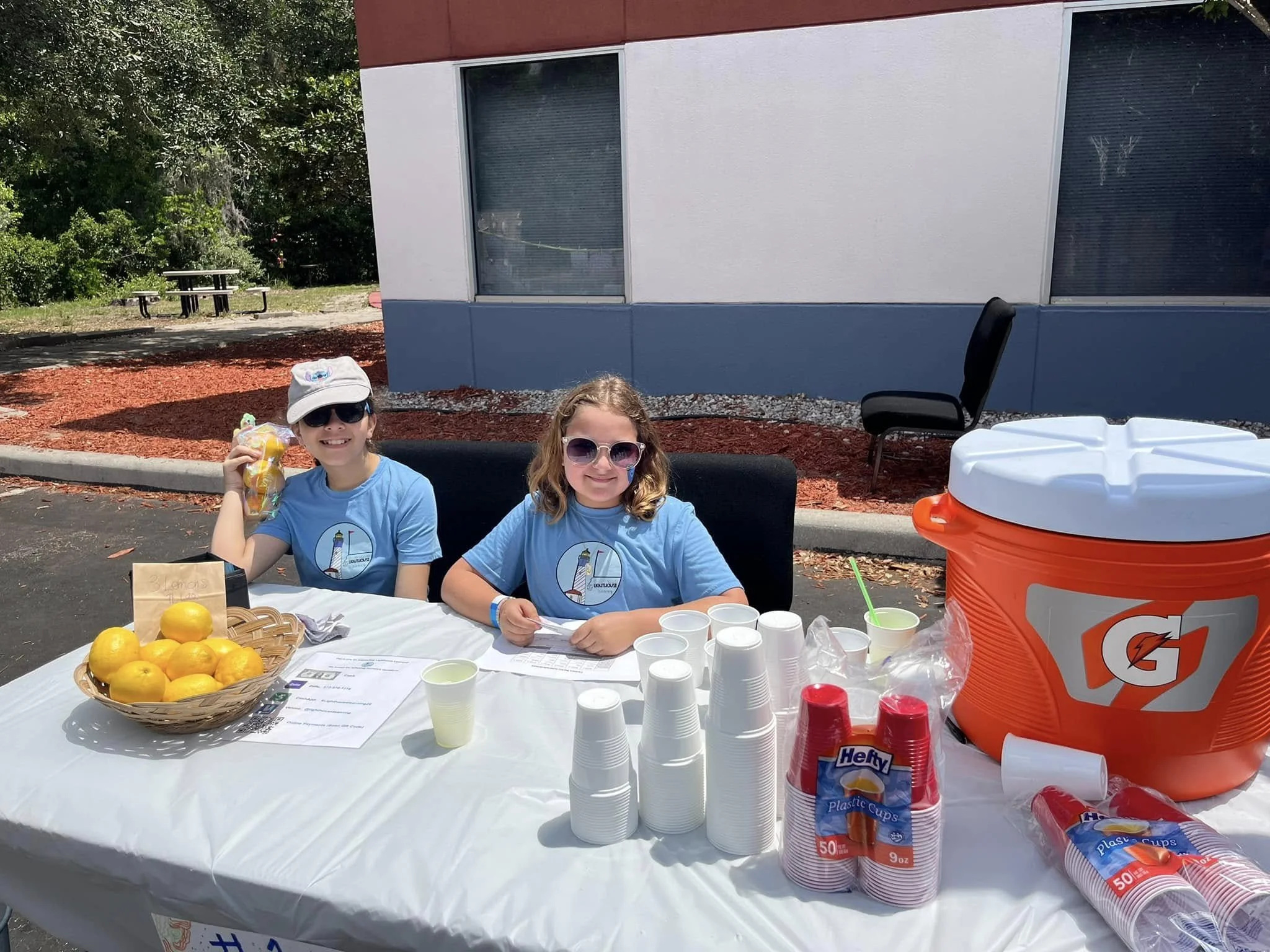
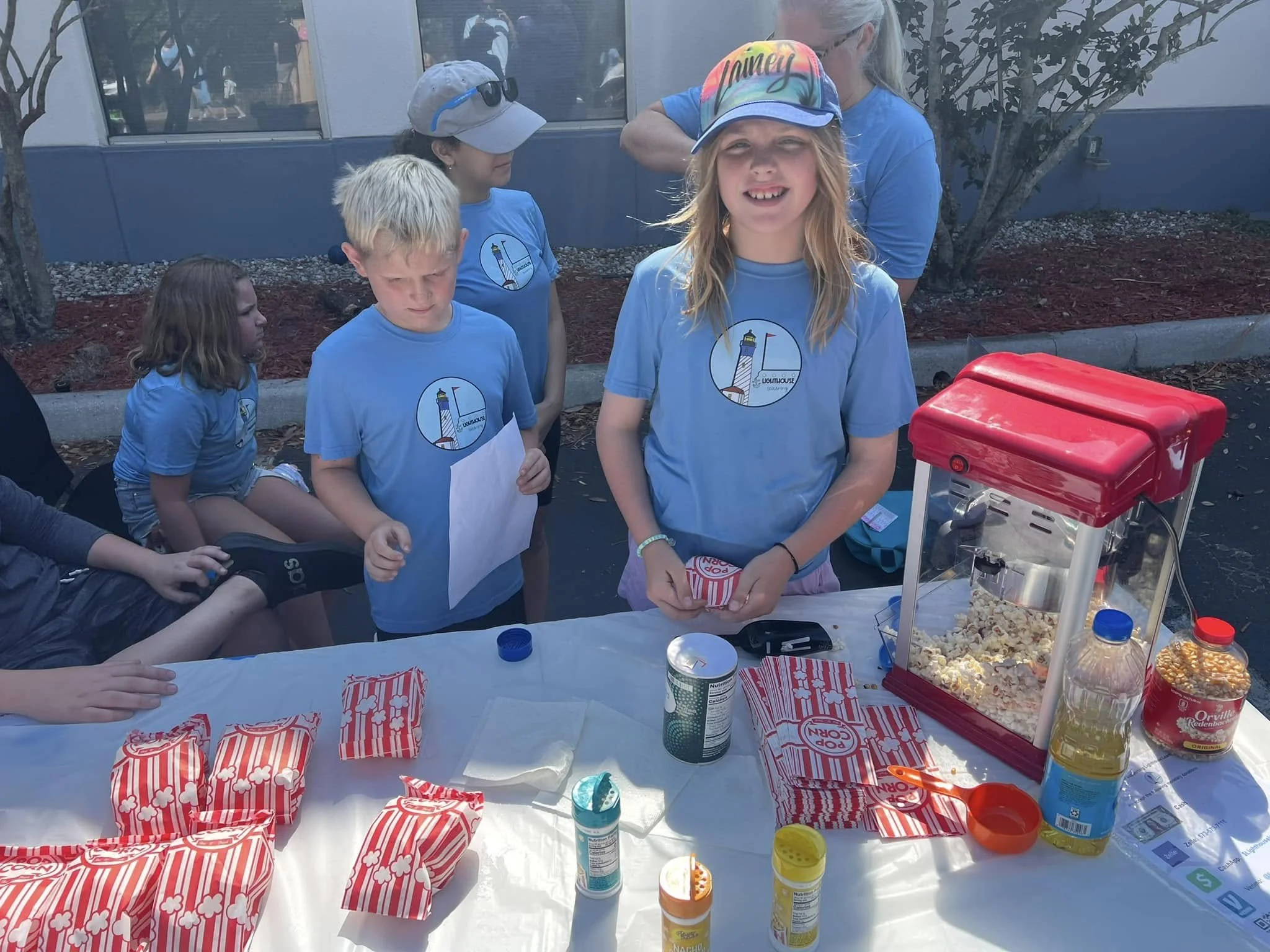
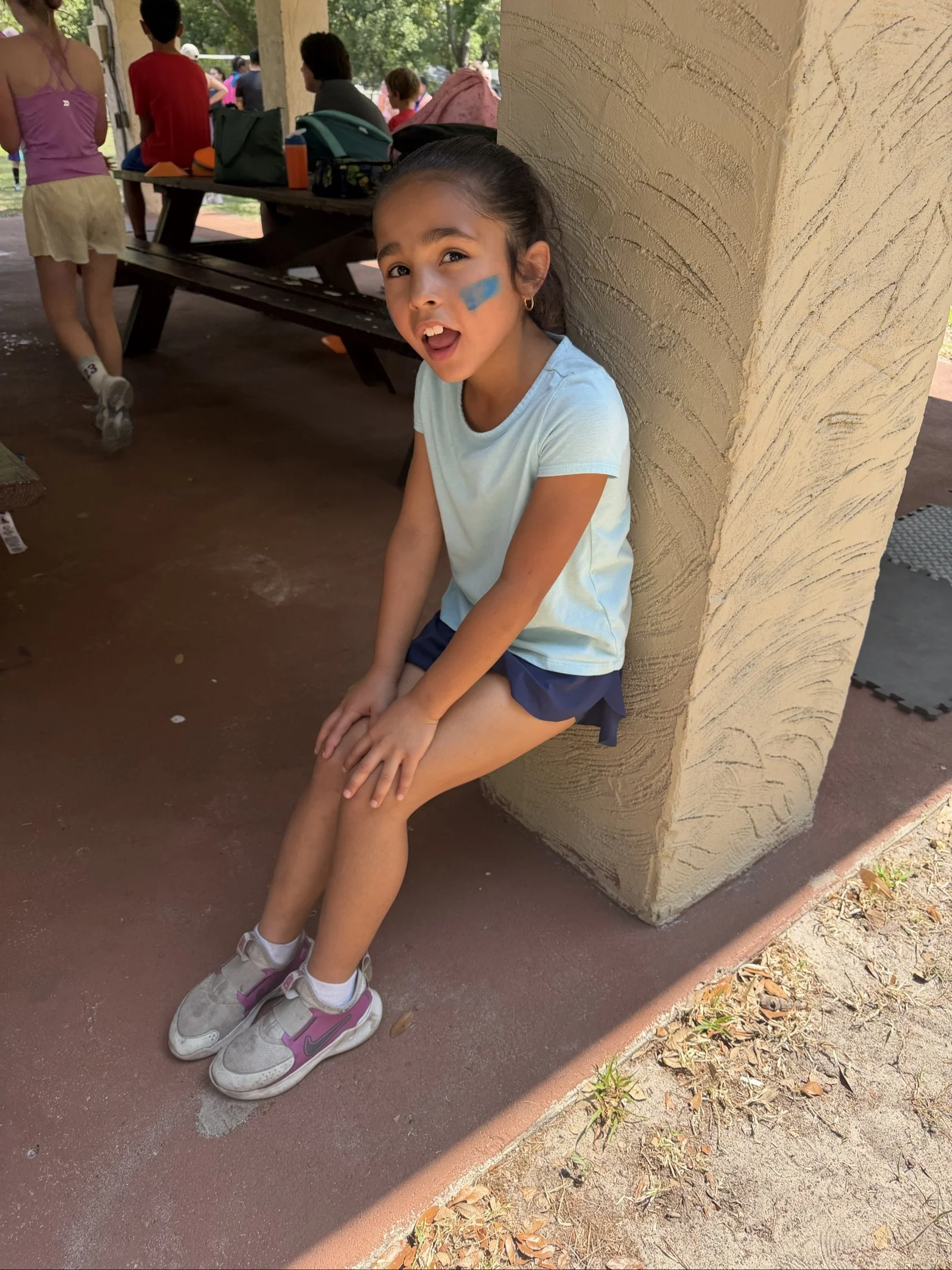
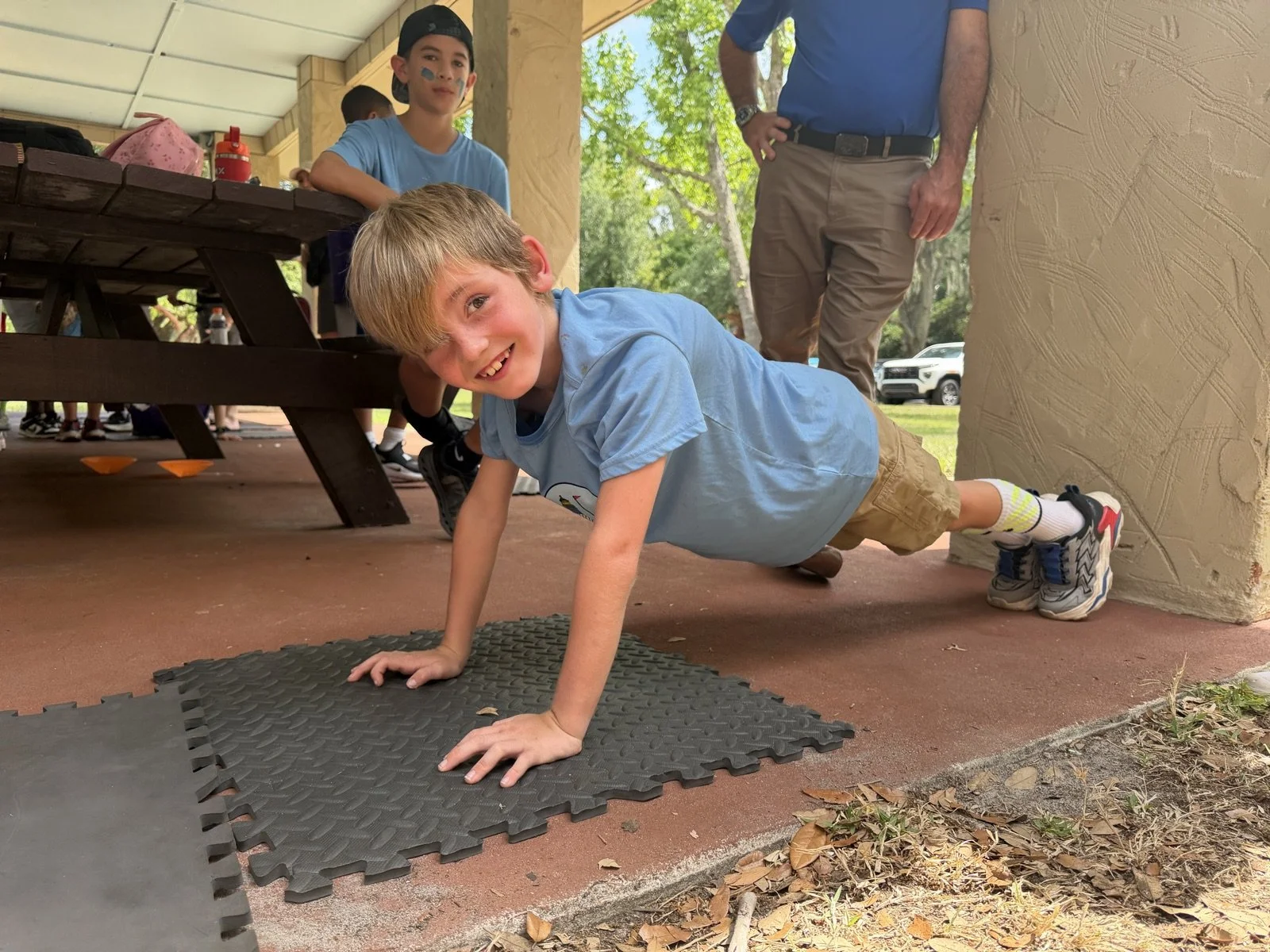
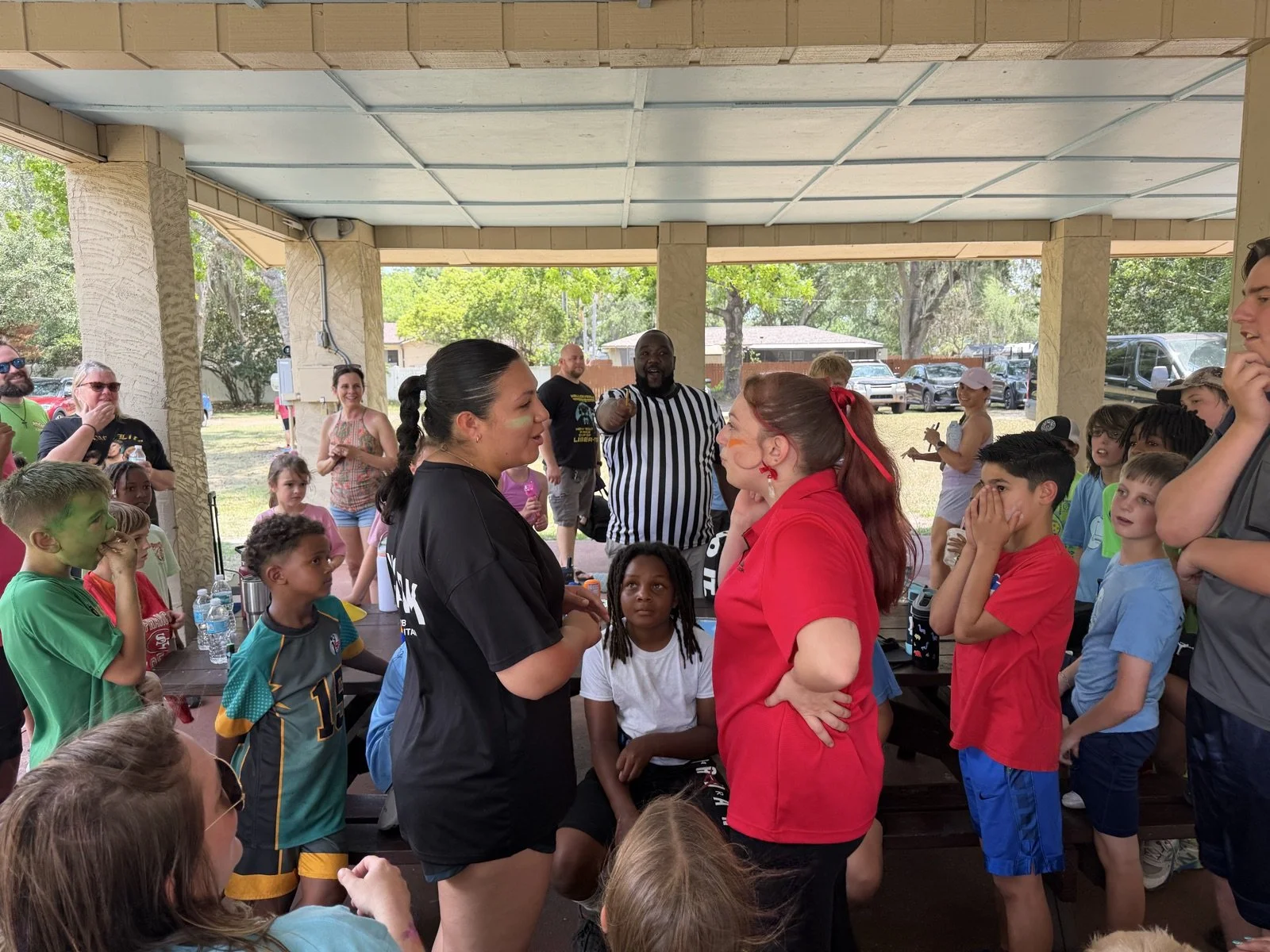
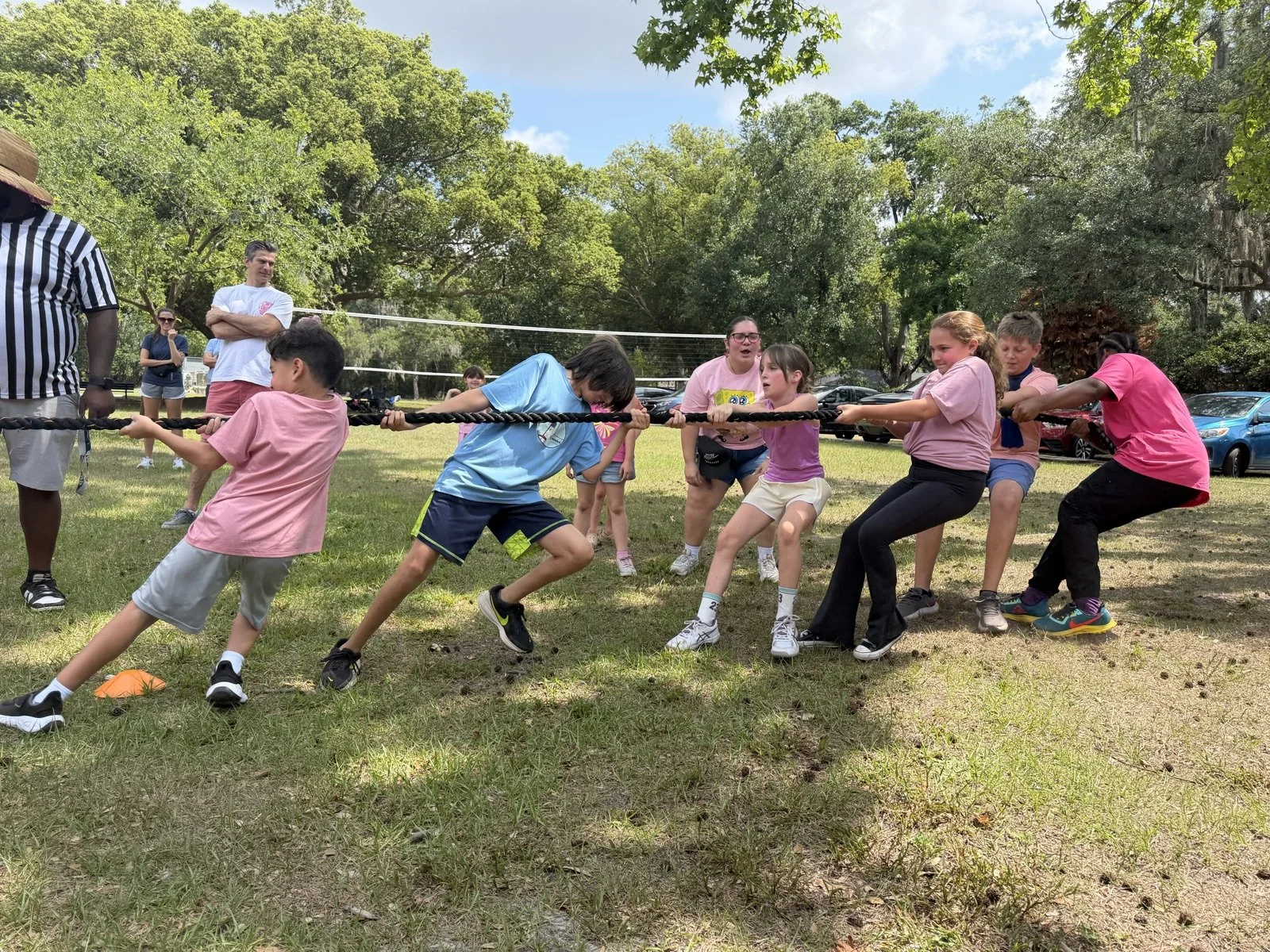
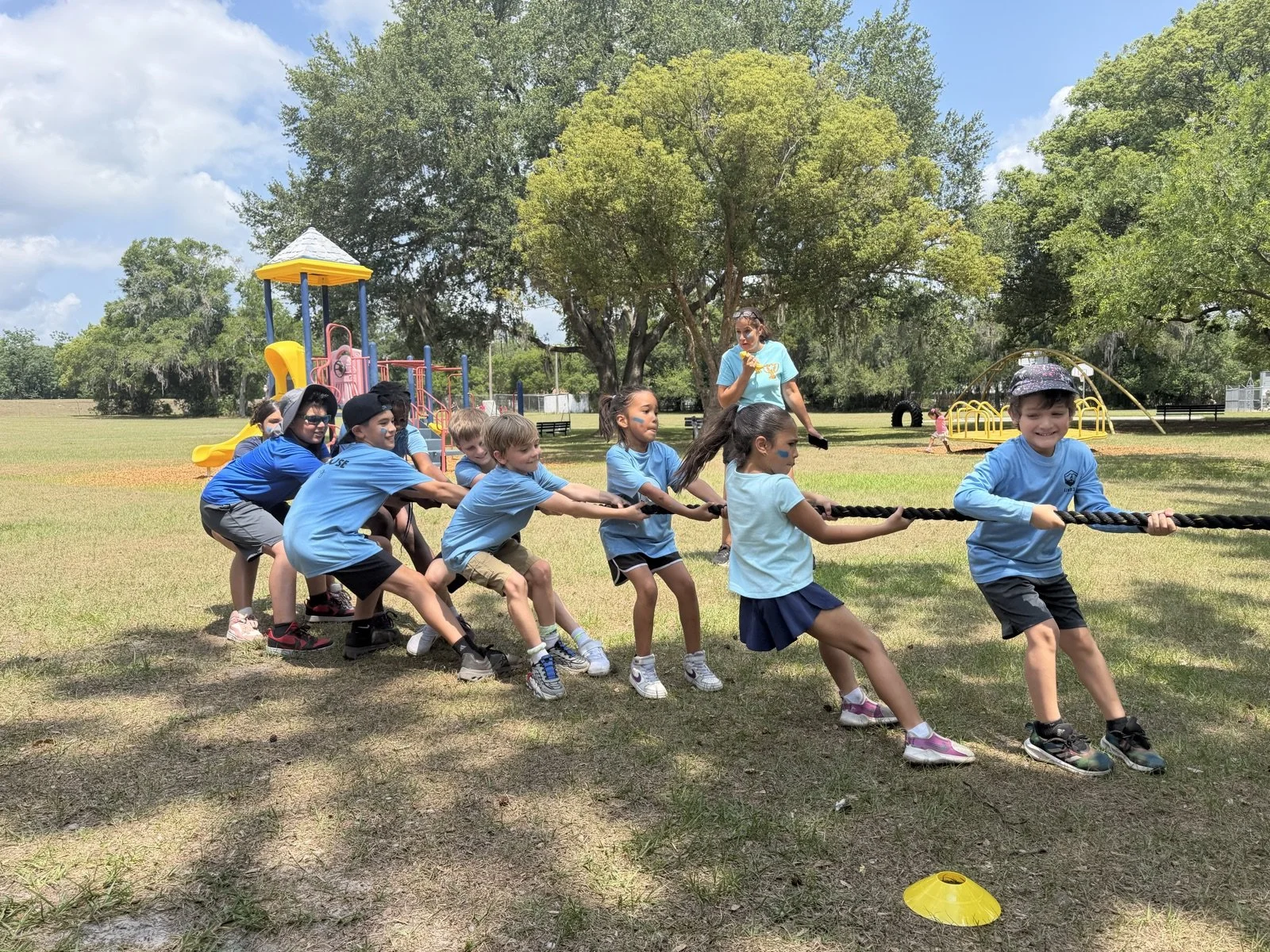
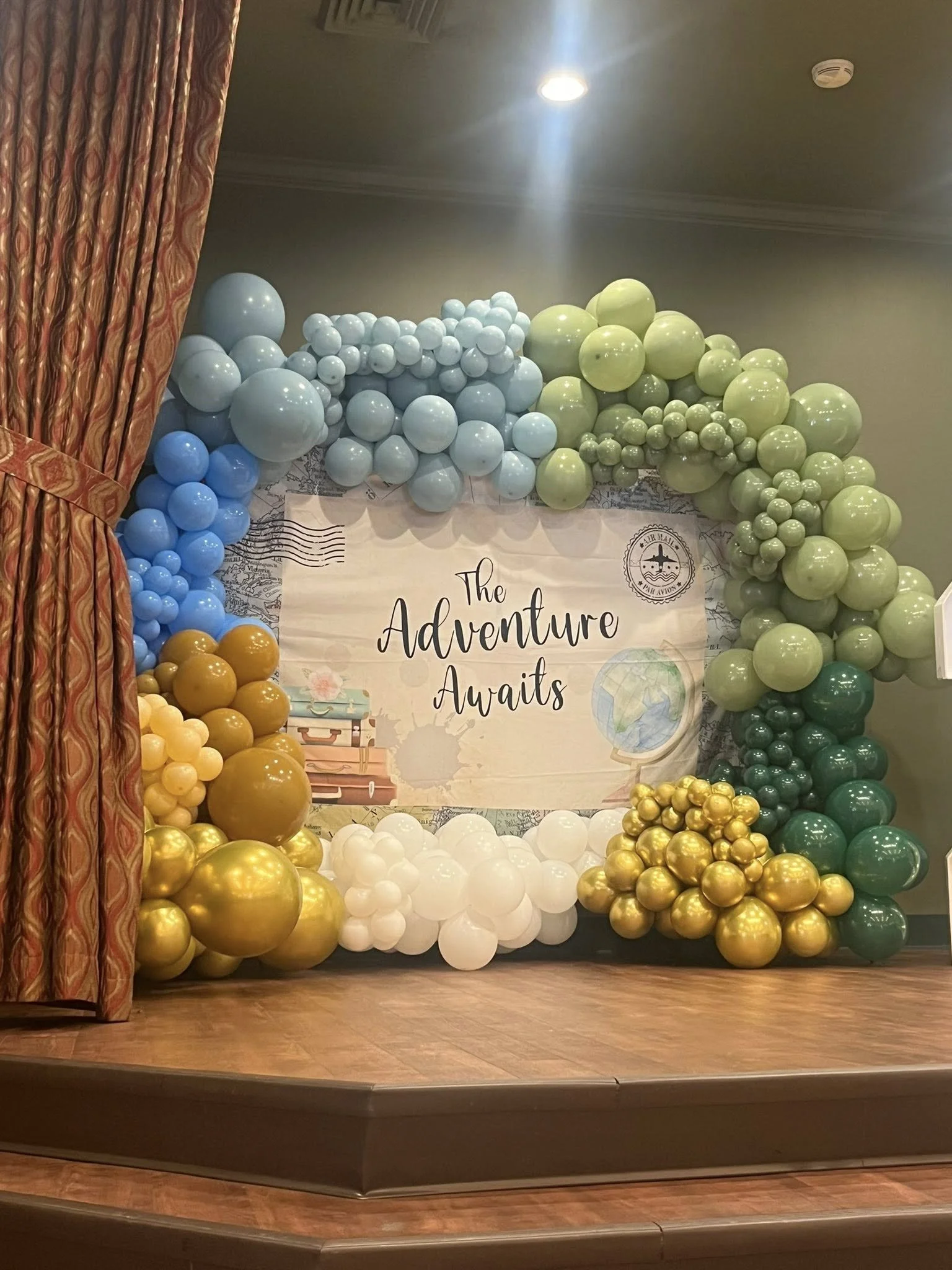
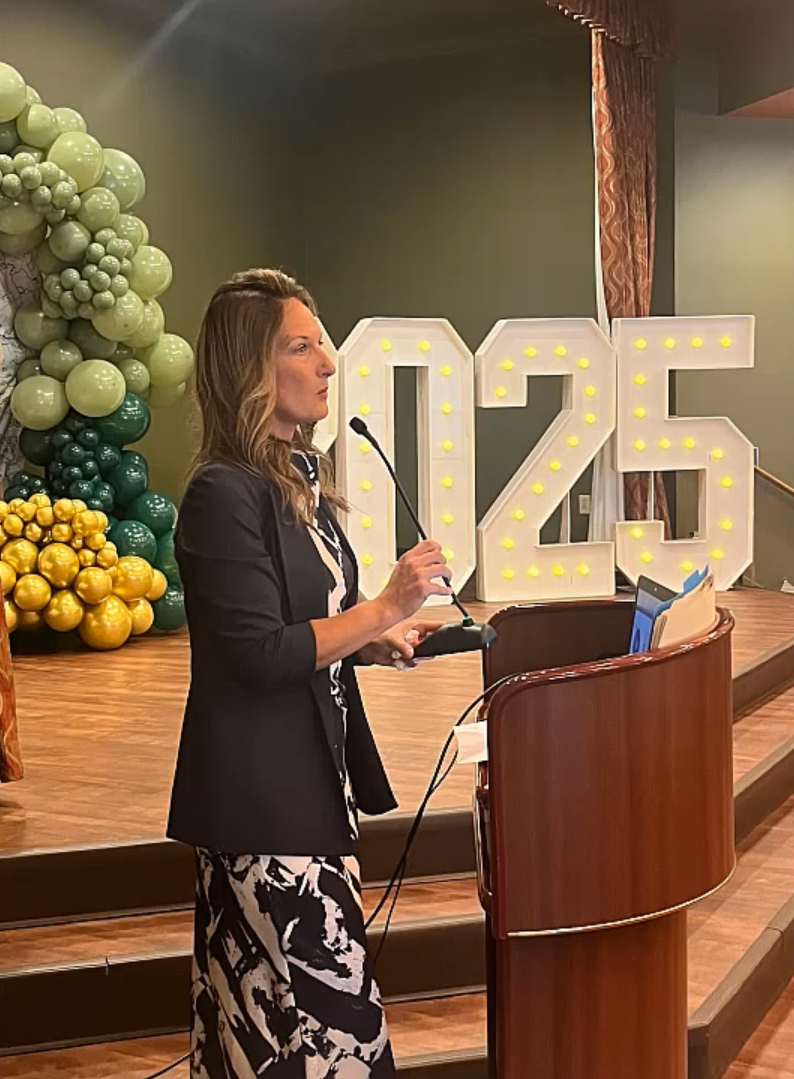
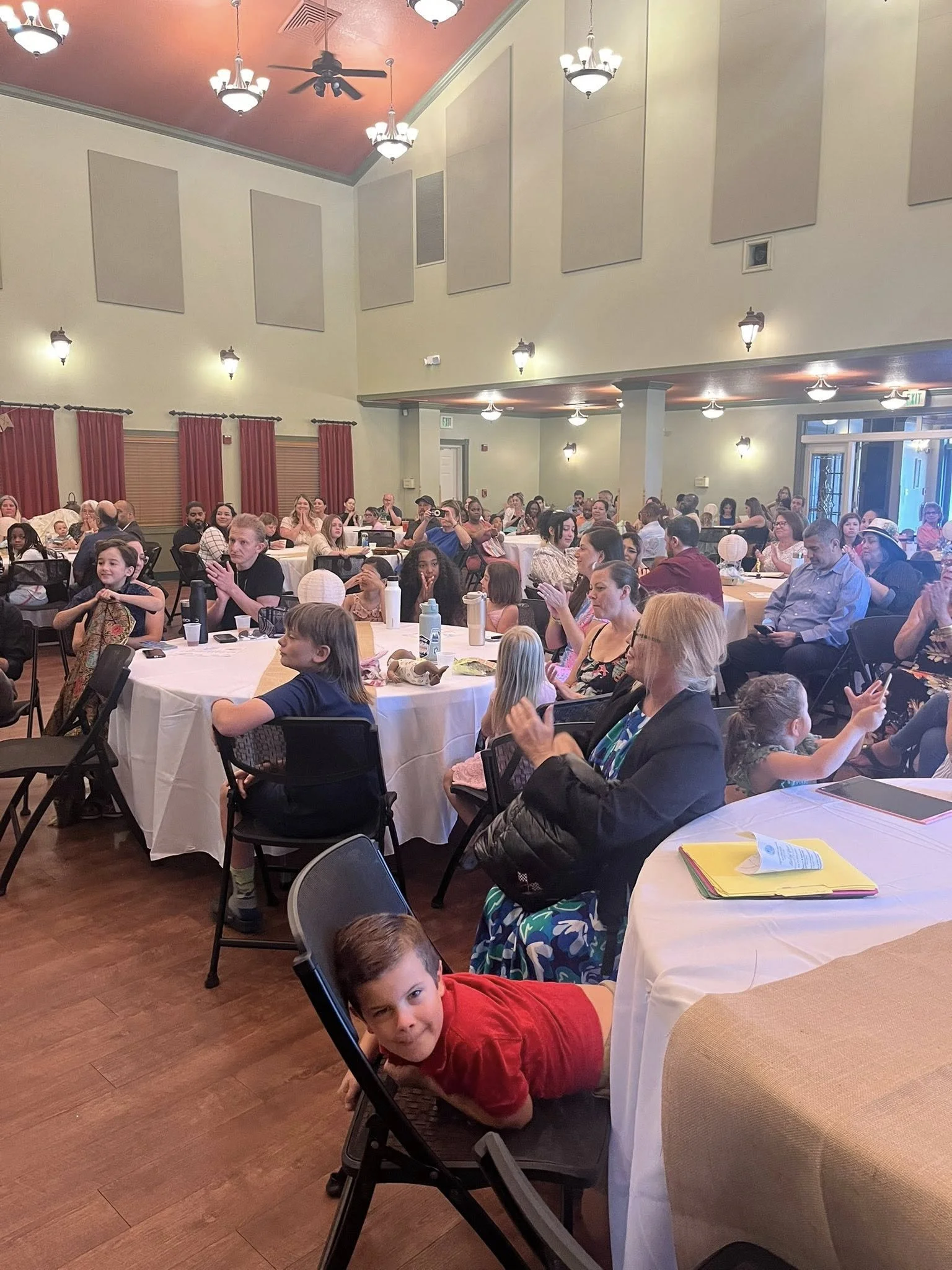
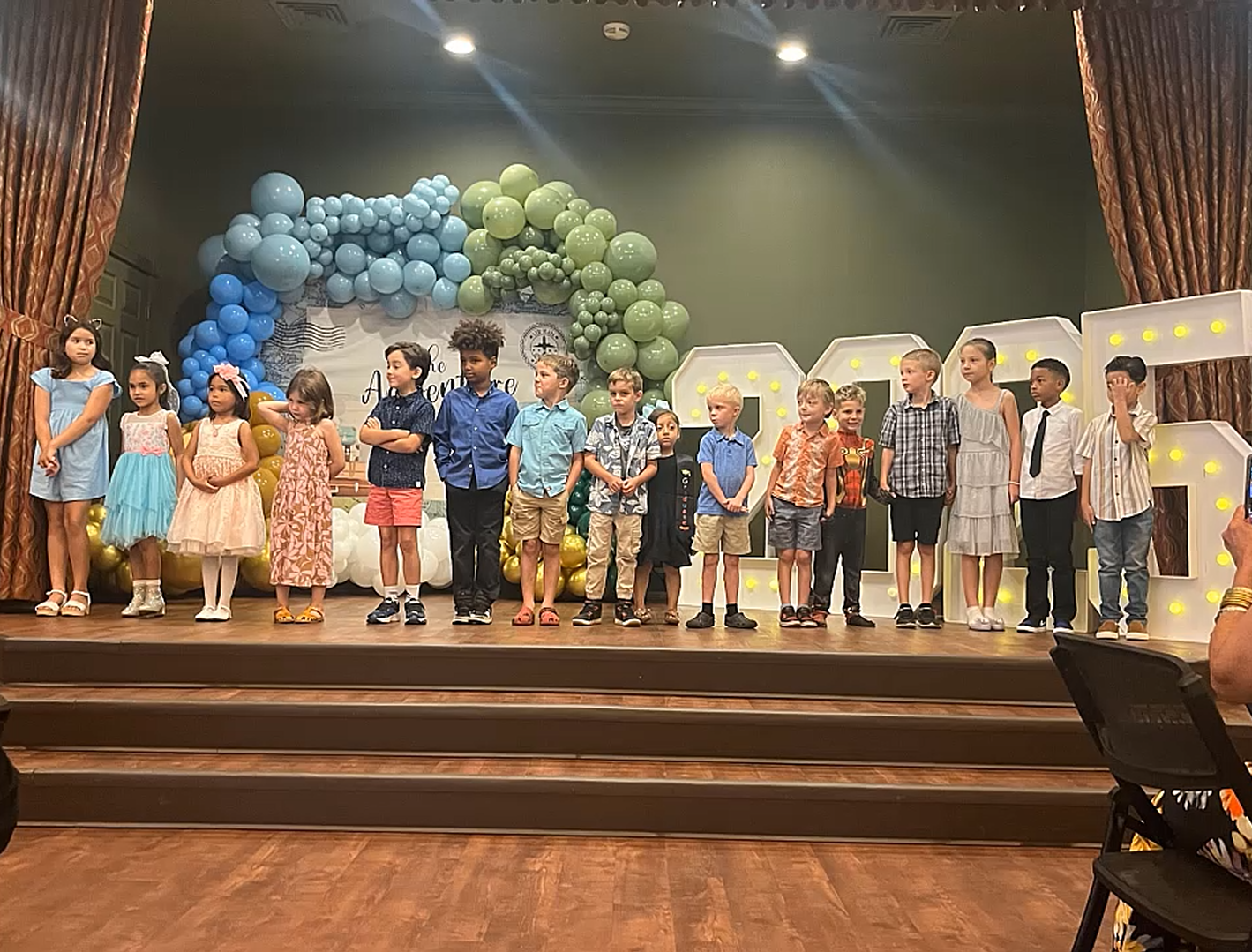
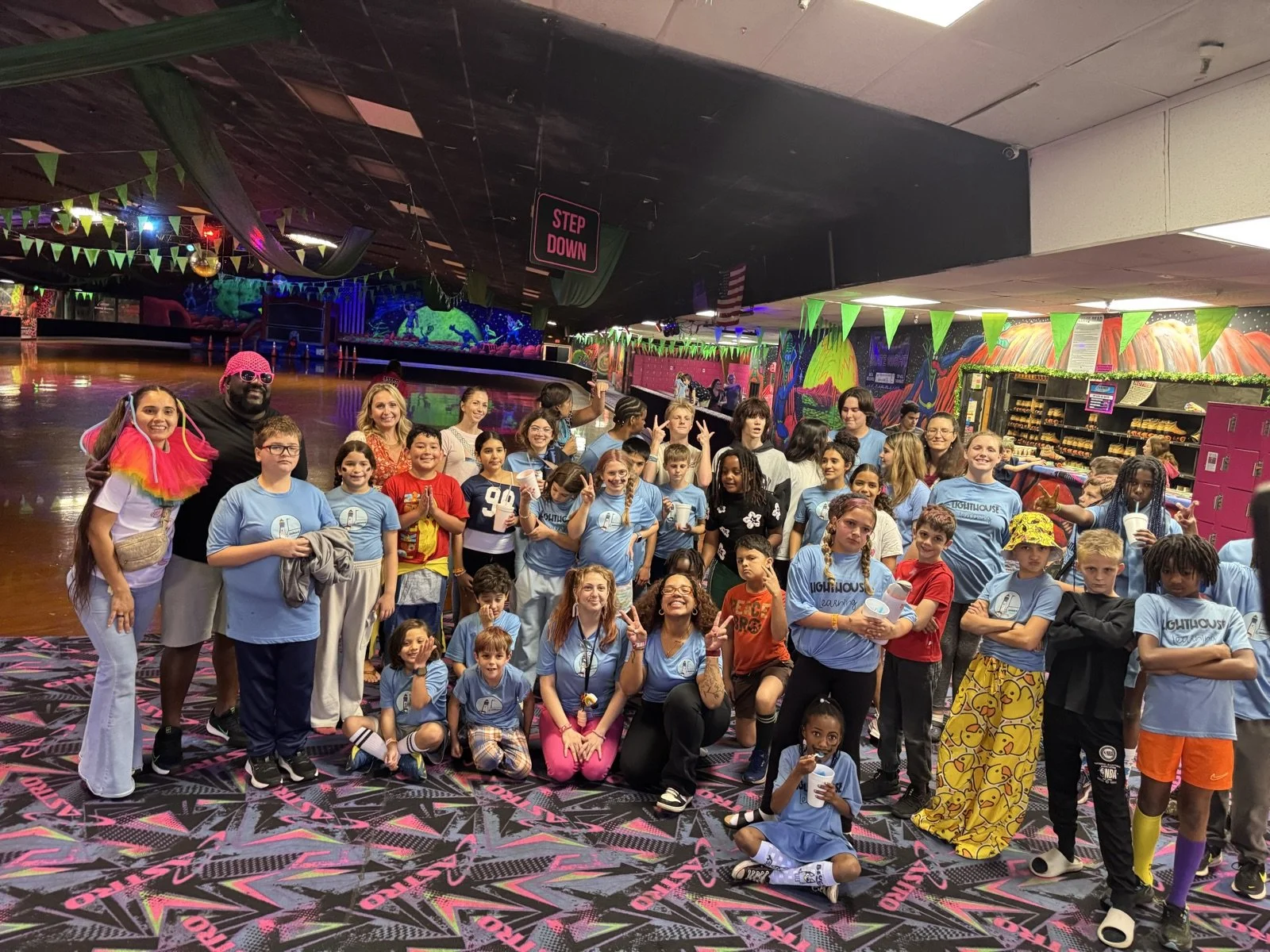
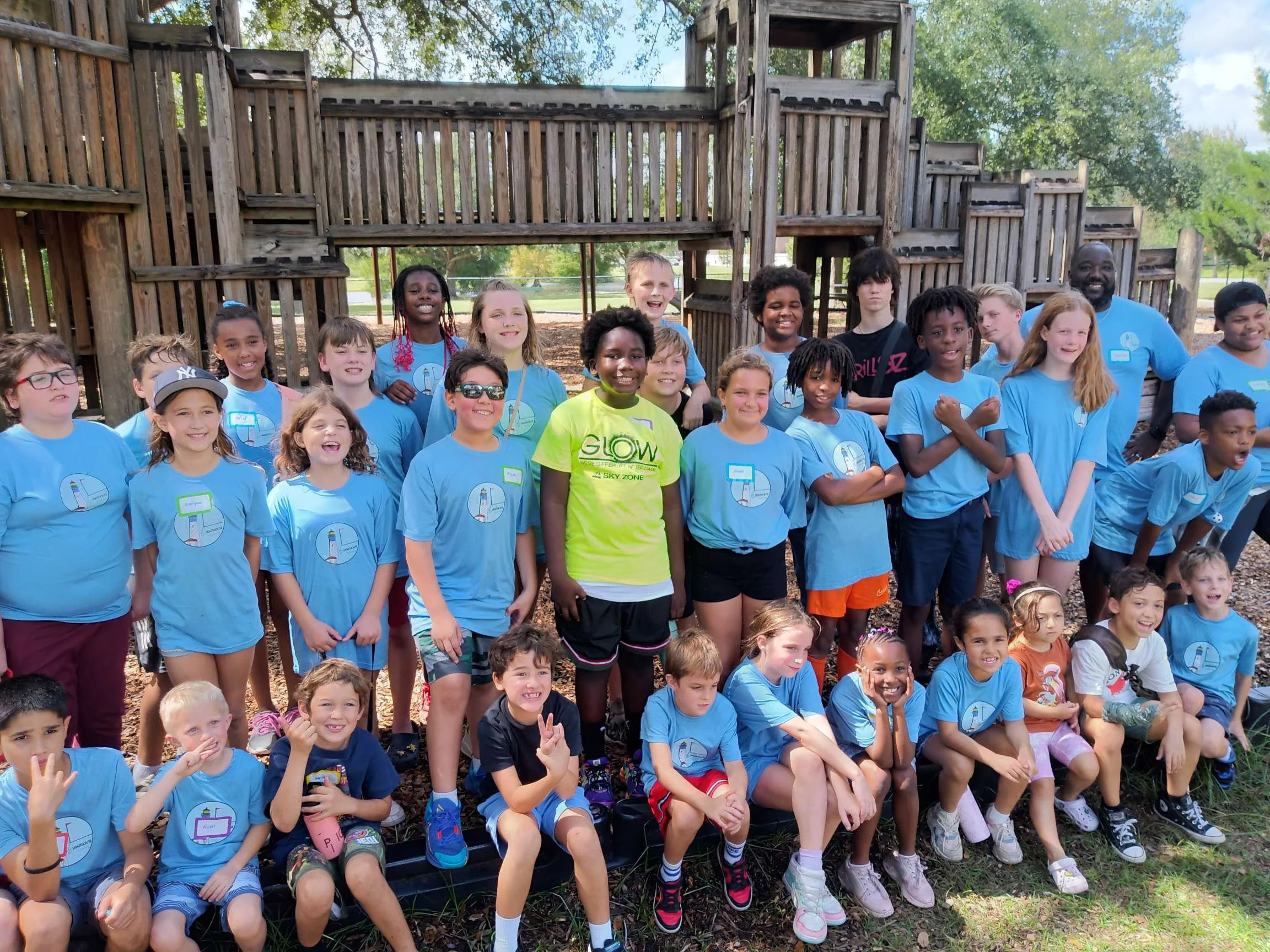
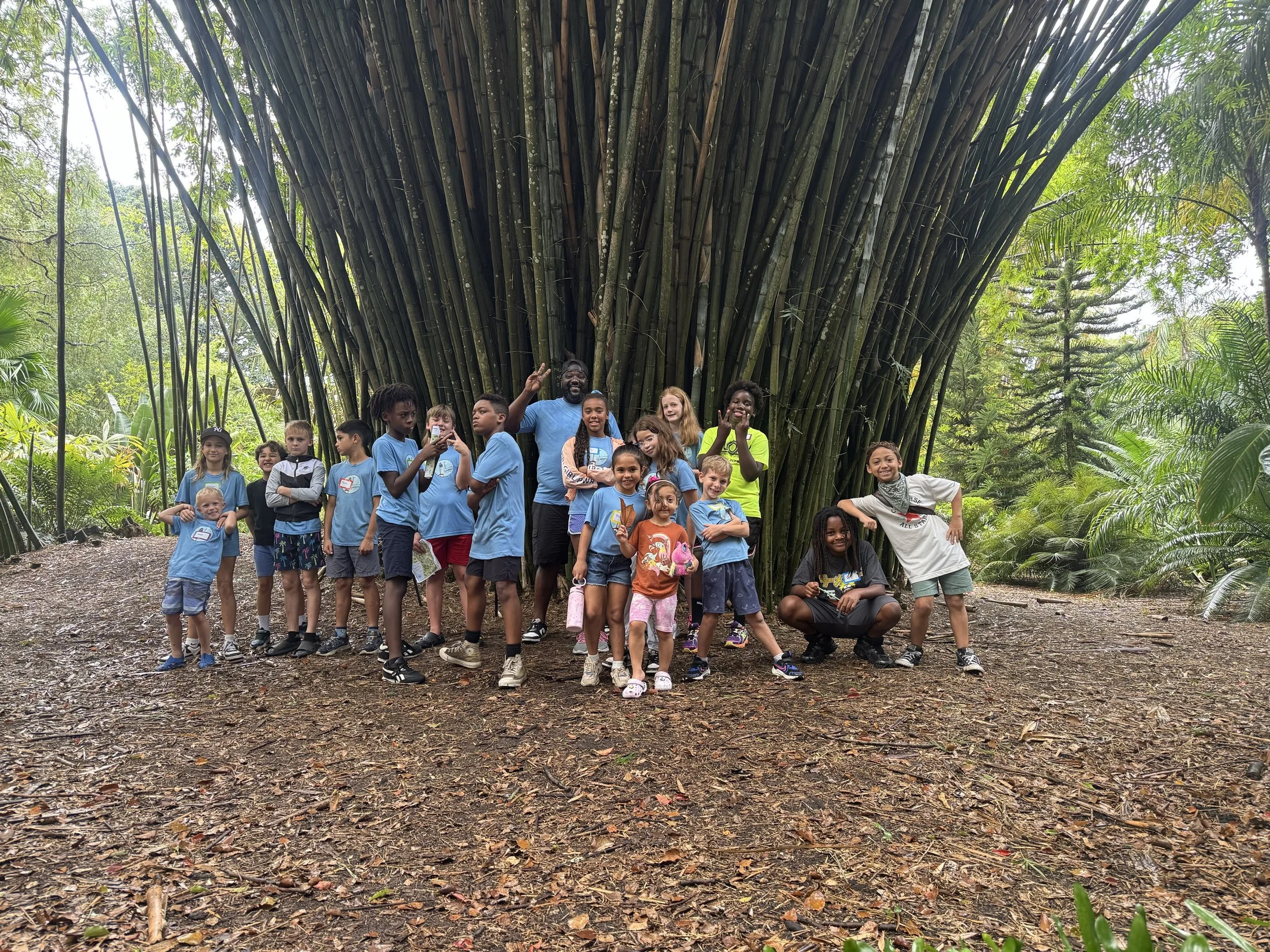
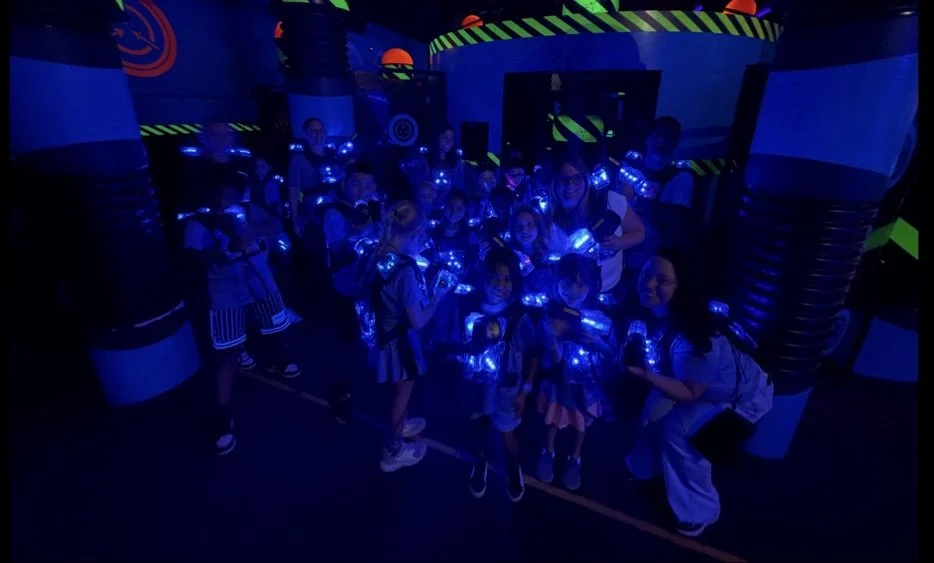
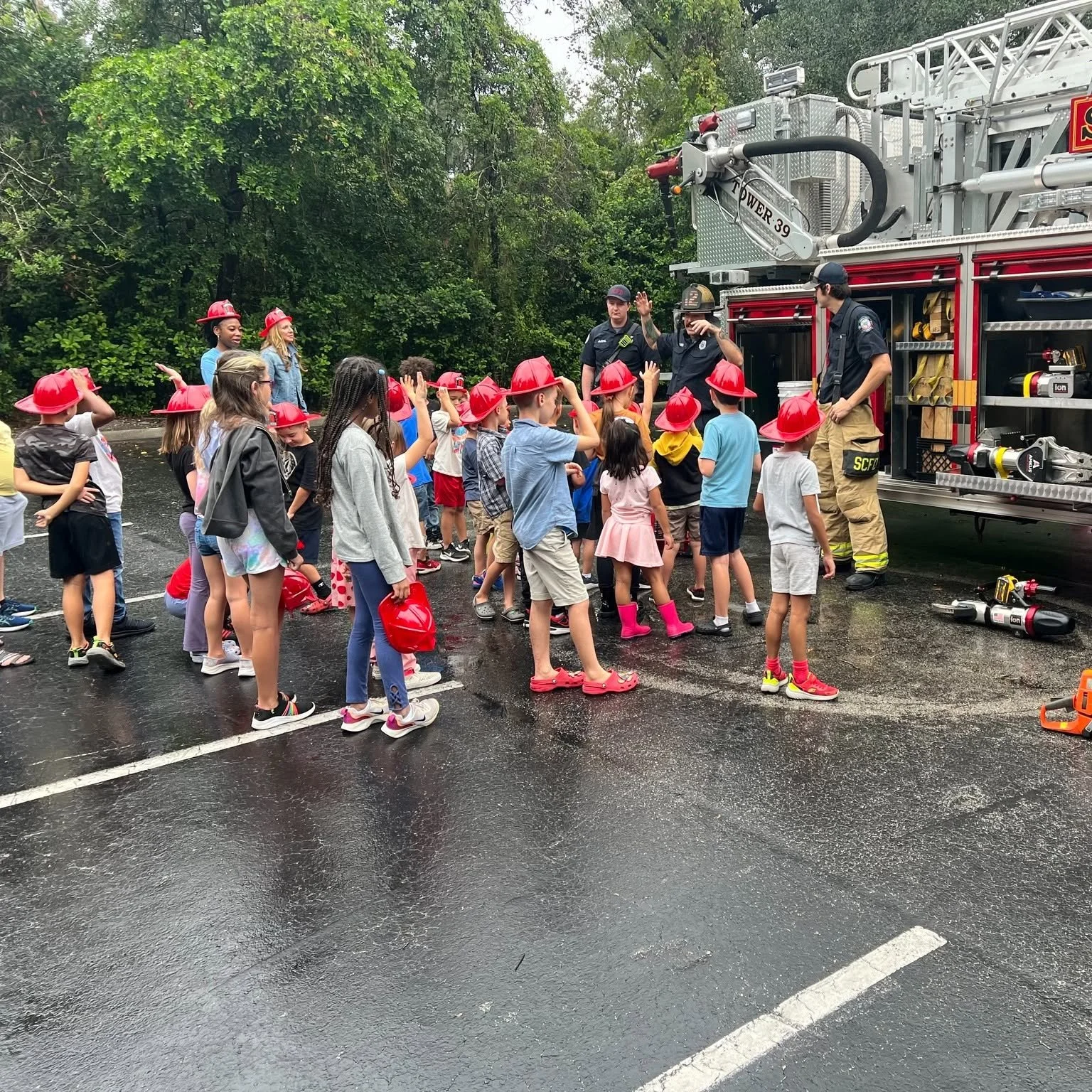
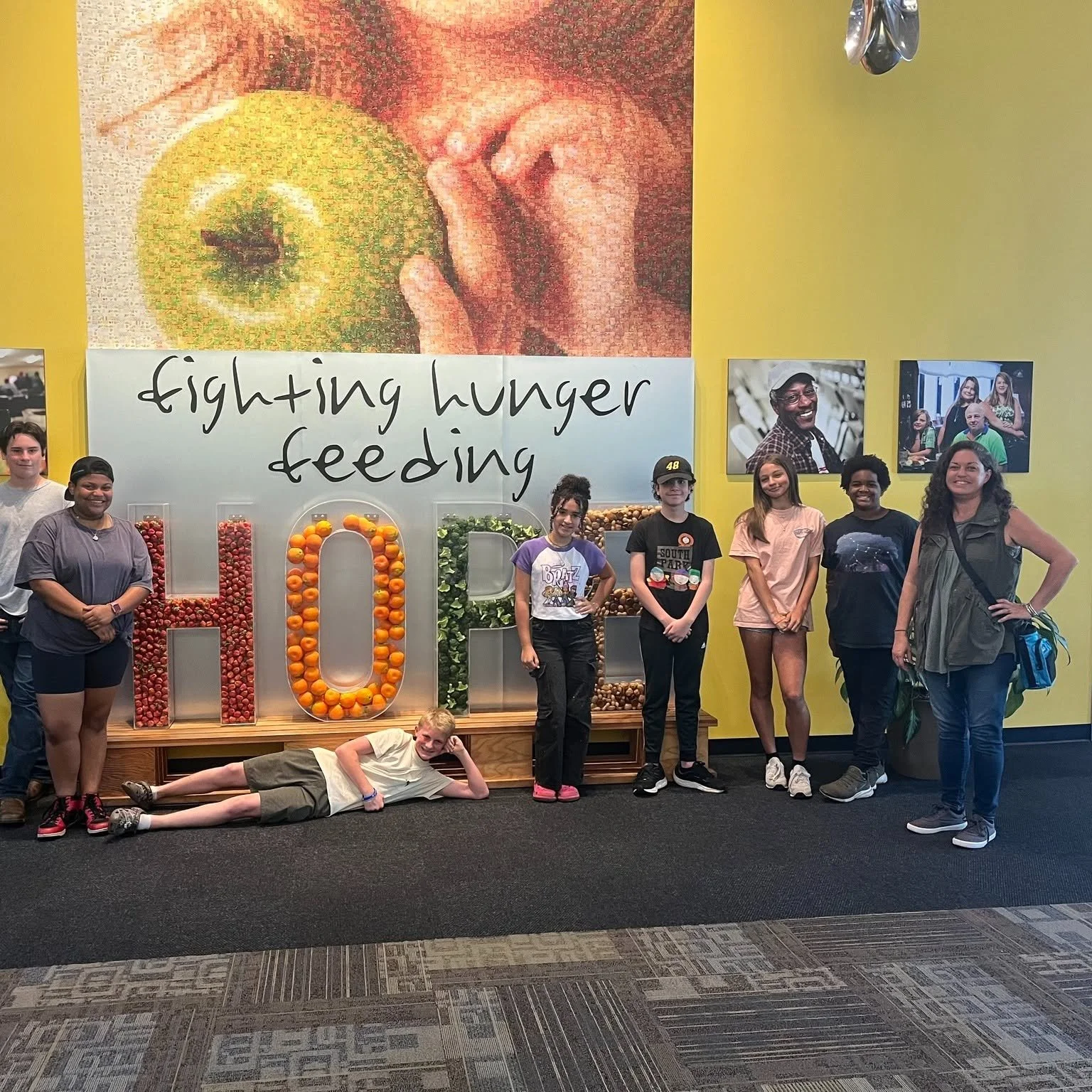
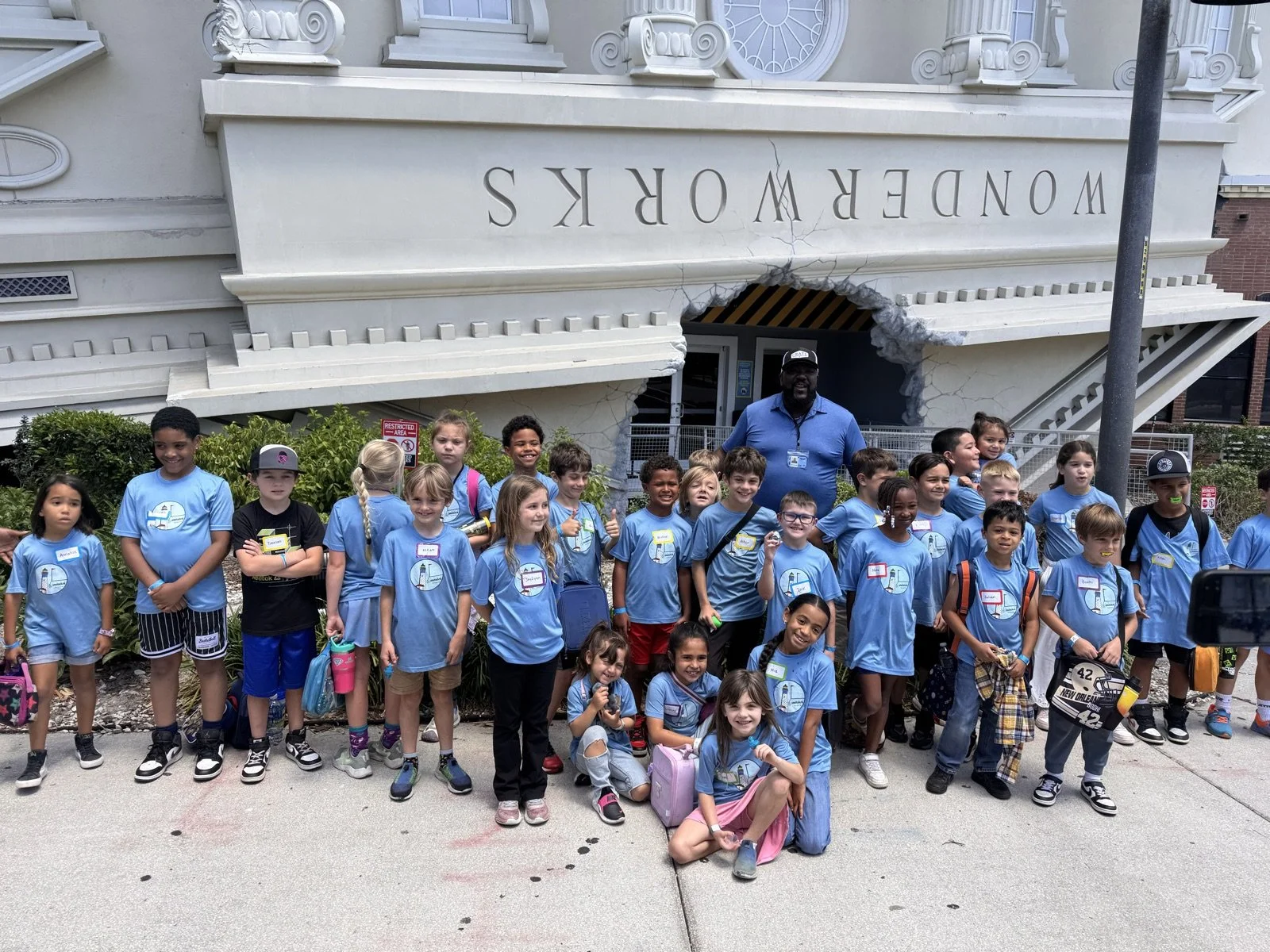
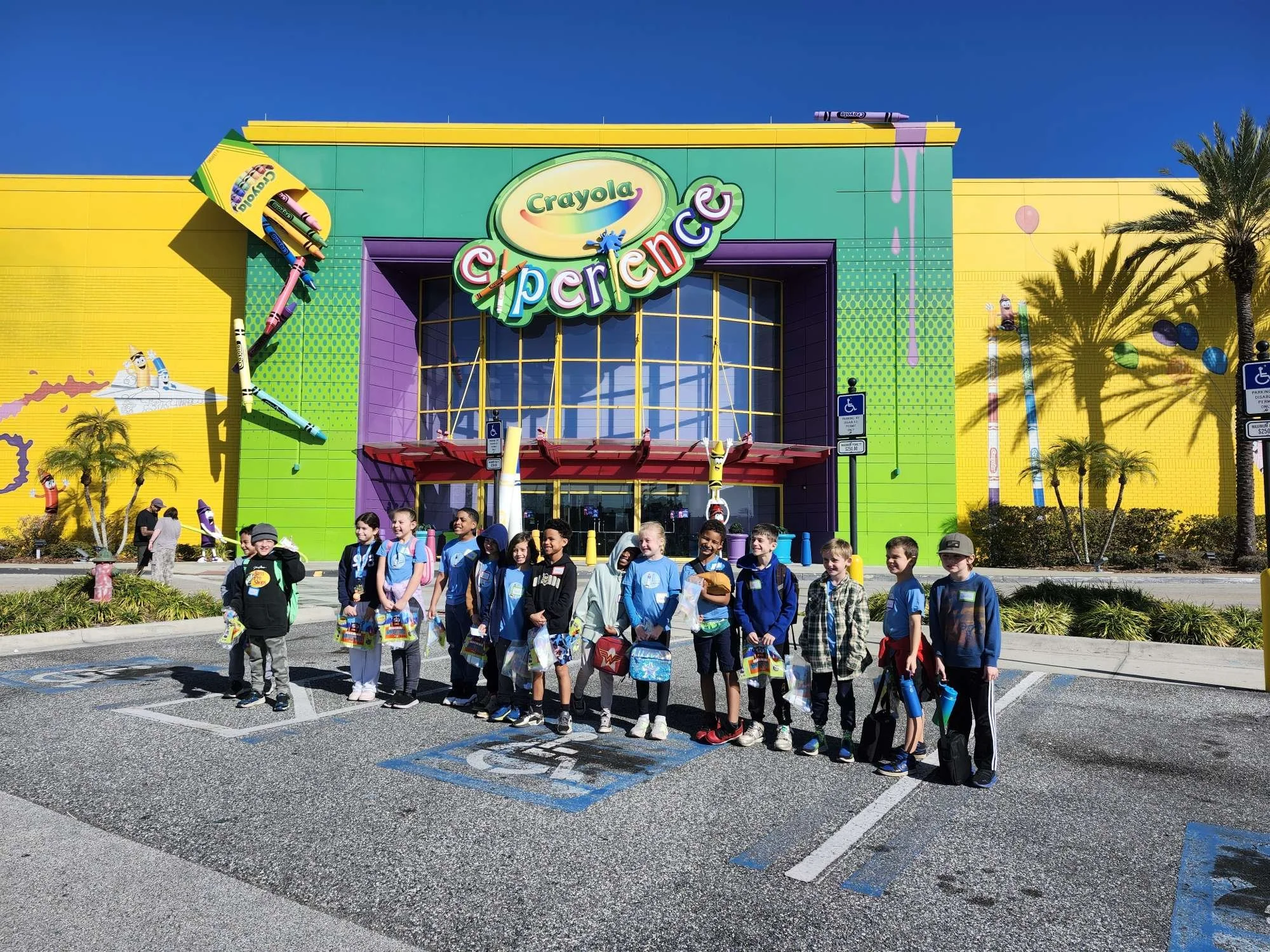
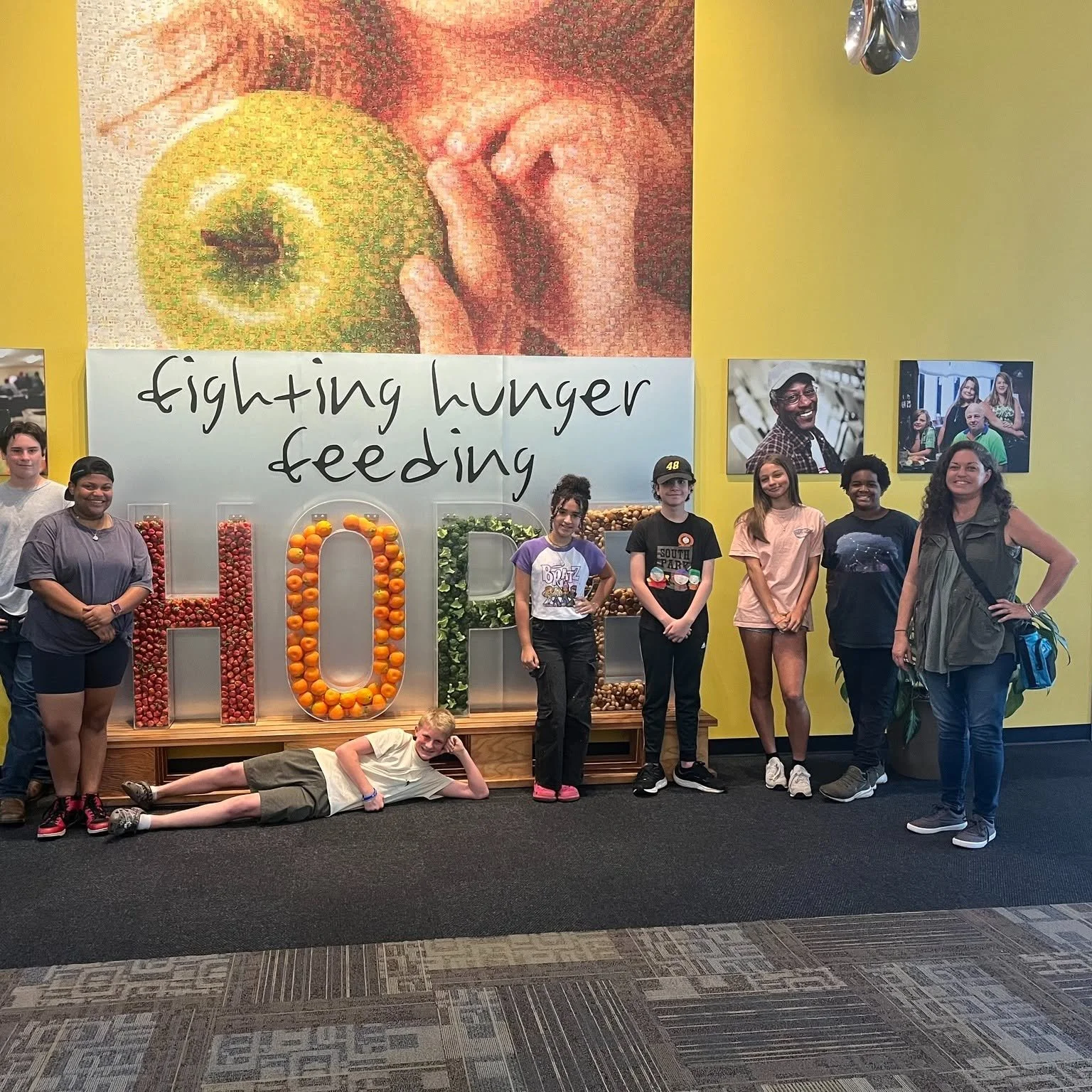
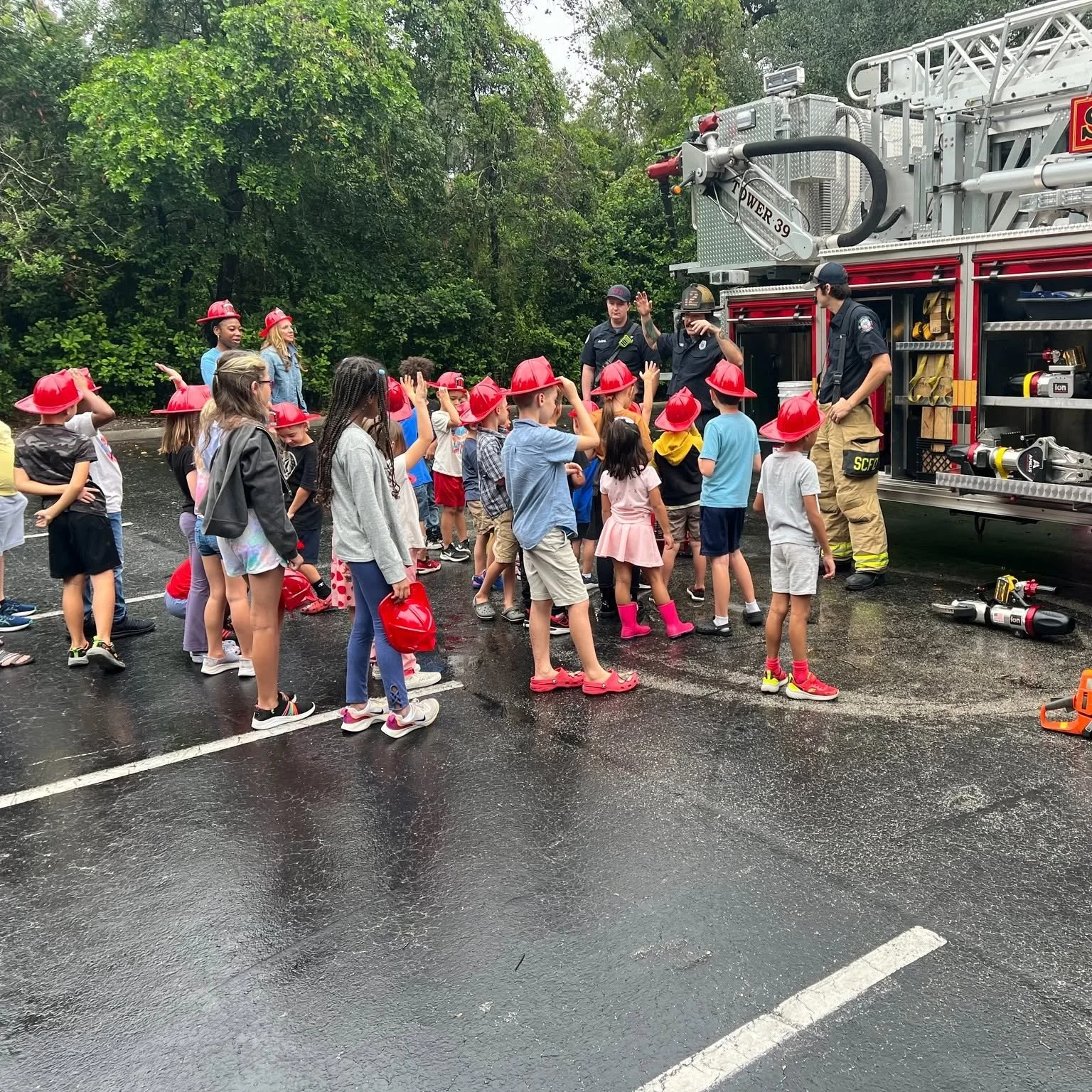
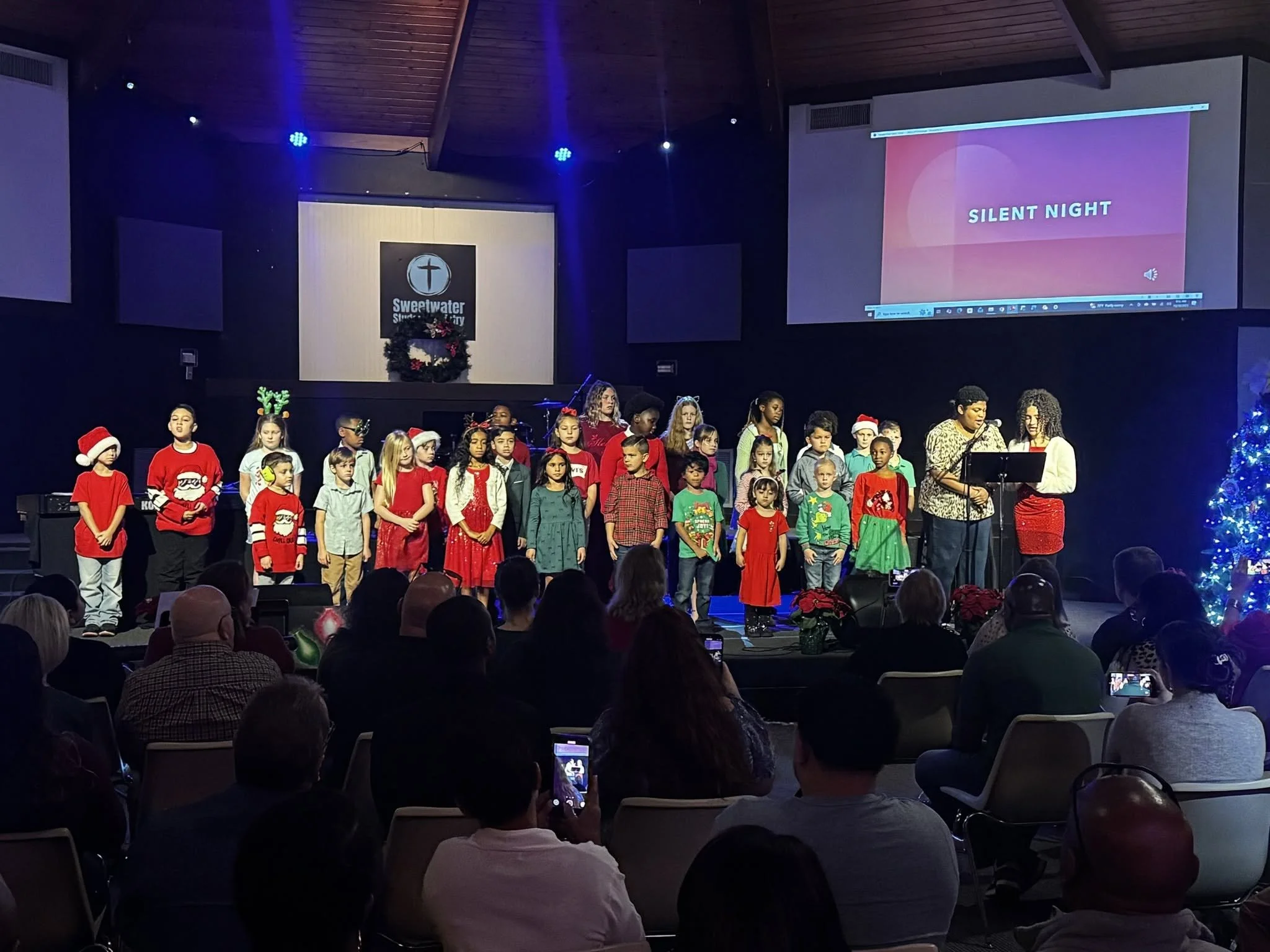
The school dance. The parade. The field trip everyone talked about for weeks. The Cultural Day when families came together. The club they tried for the first time. The mornings spent outside with friends before the school day even began.
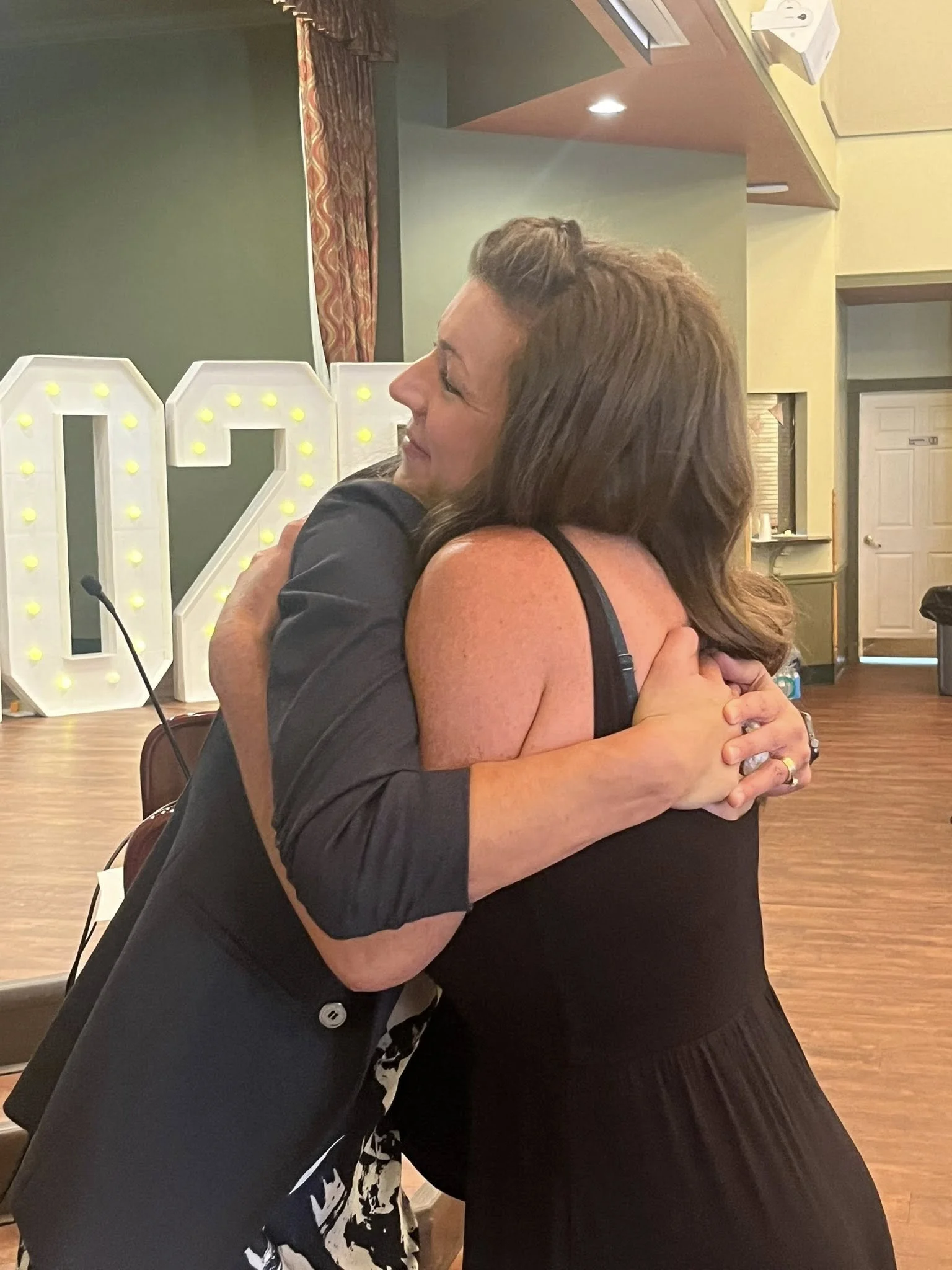
The celebrations that made school feel like their community.
That's an important part of the Lighthouse experience.
We want students to be known here. We want them to belong here.
And we want them to have a childhood filled with experiences worth remembering.
School Is More Than The Lessons on the Schedule
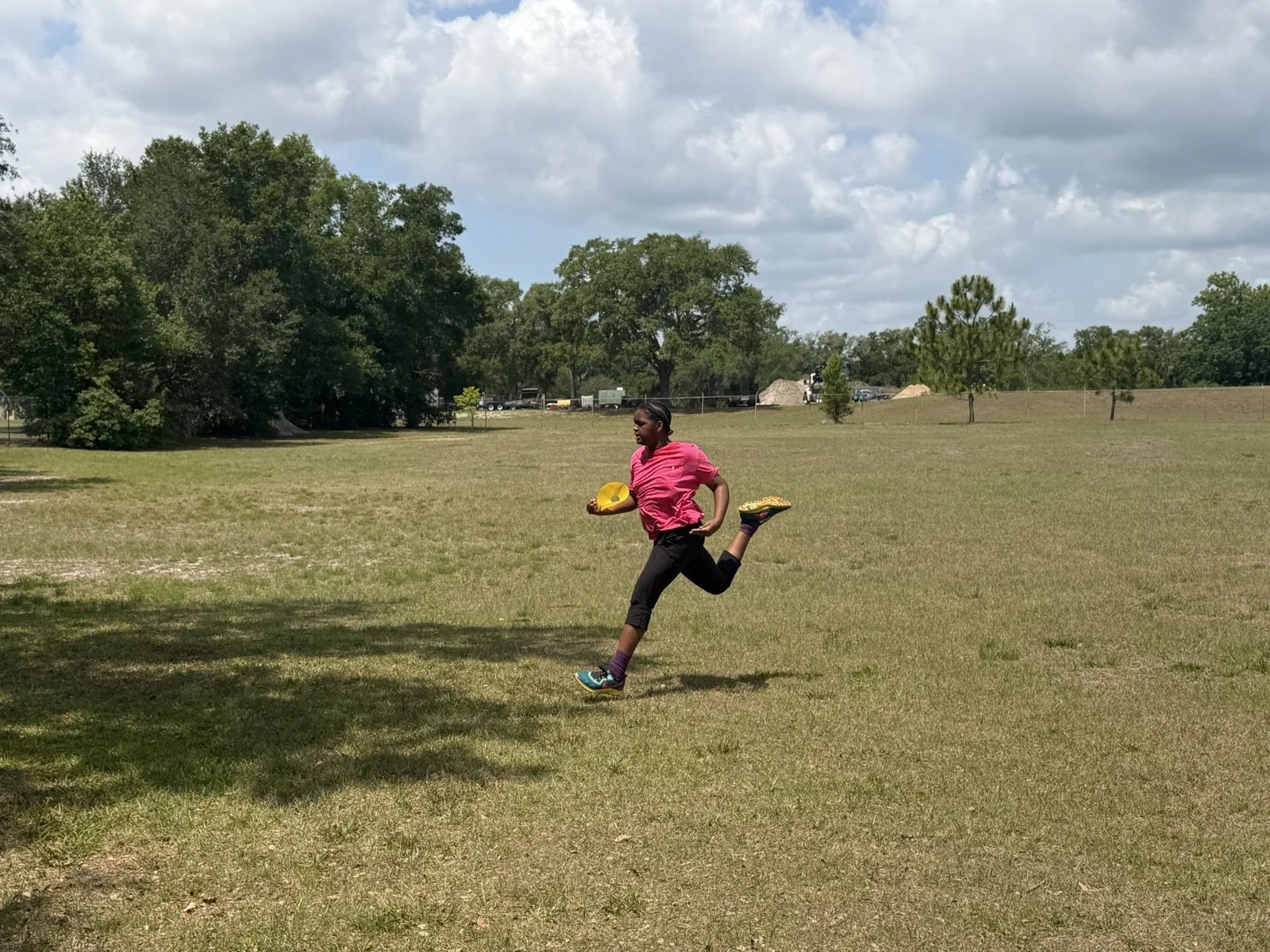
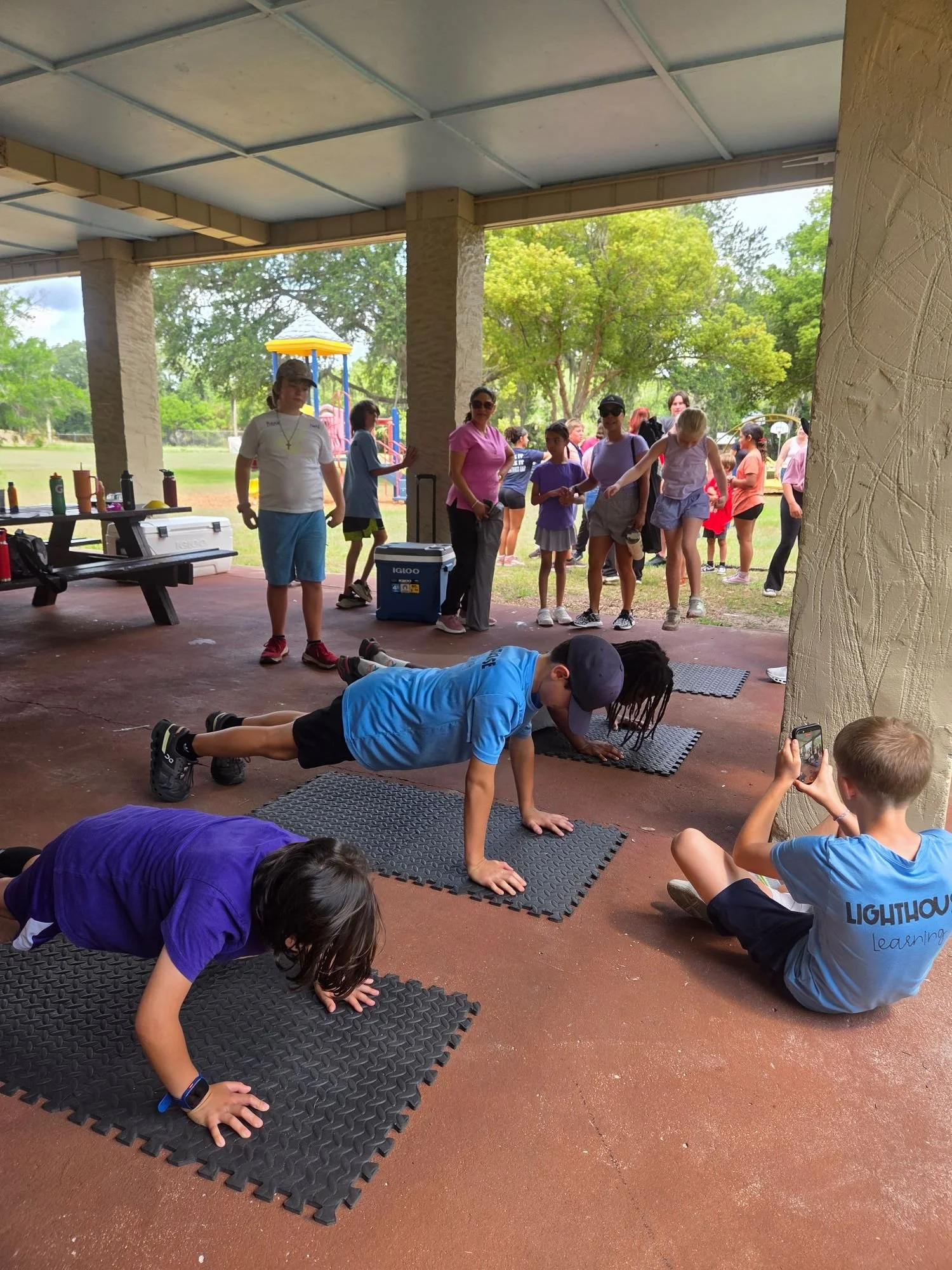
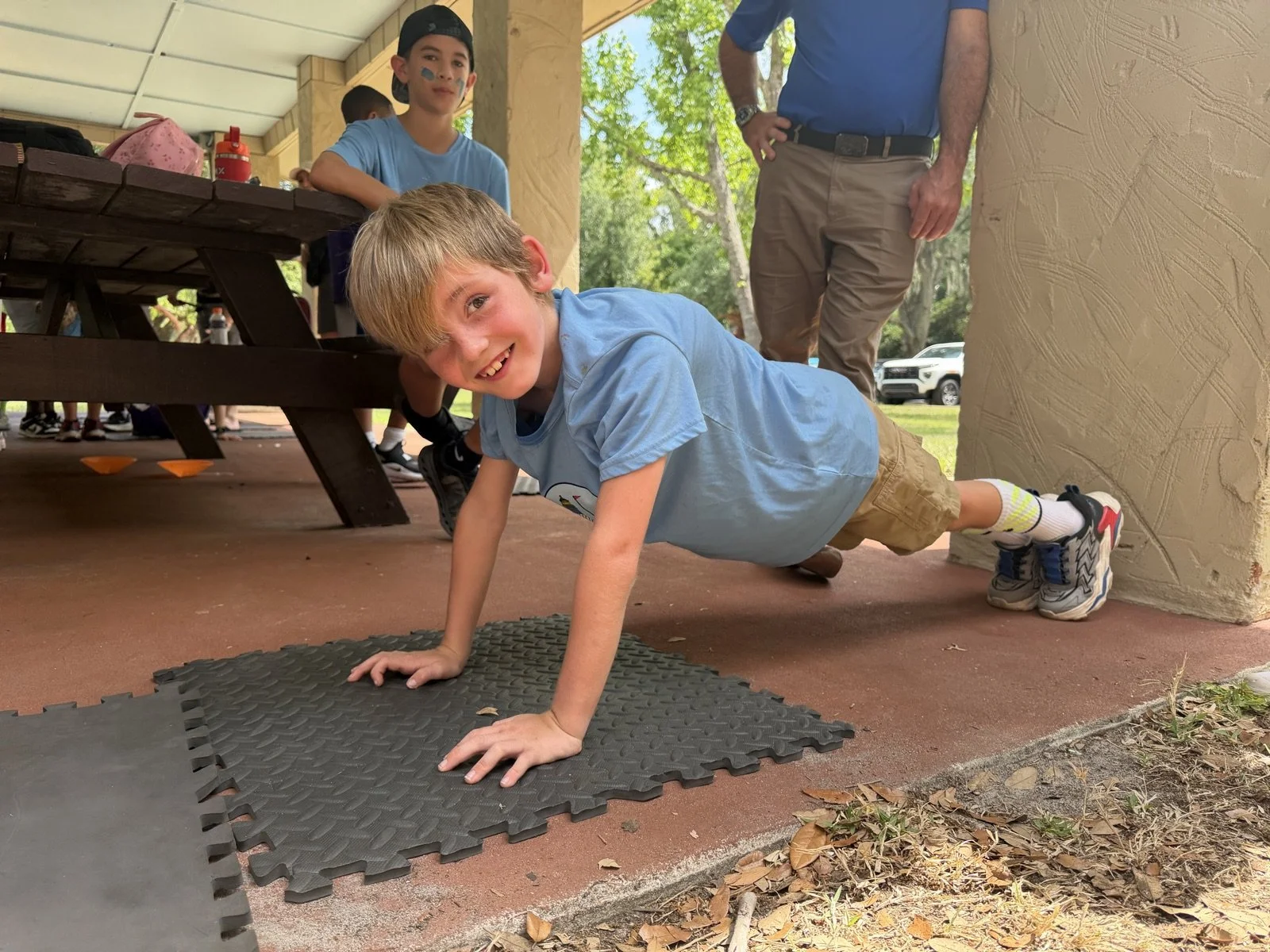
Our school day intentionally includes structure, academic focus, movement, relationships, and opportunities to be outside.
Students are not expected to spend the entire day sitting inside a classroom.
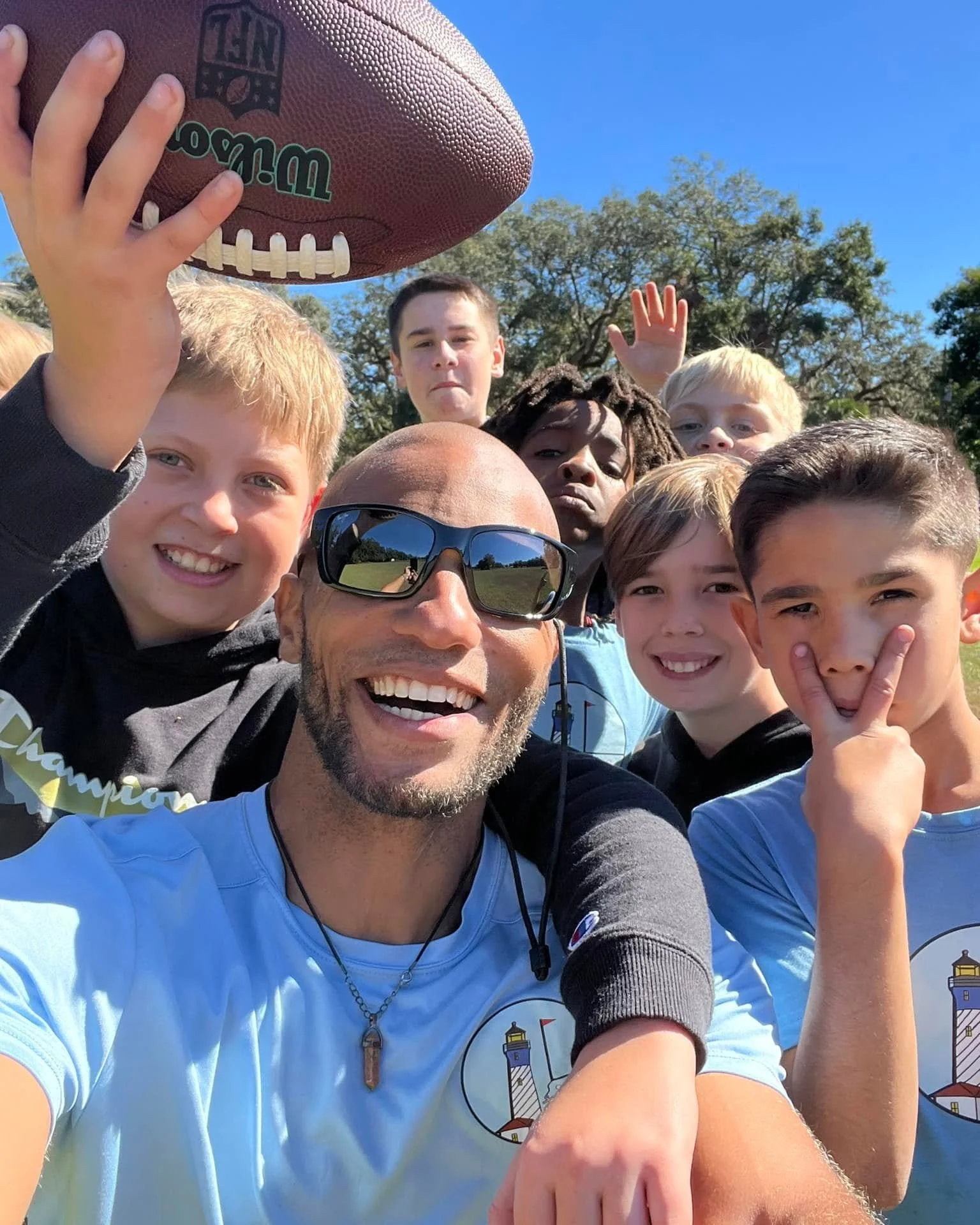
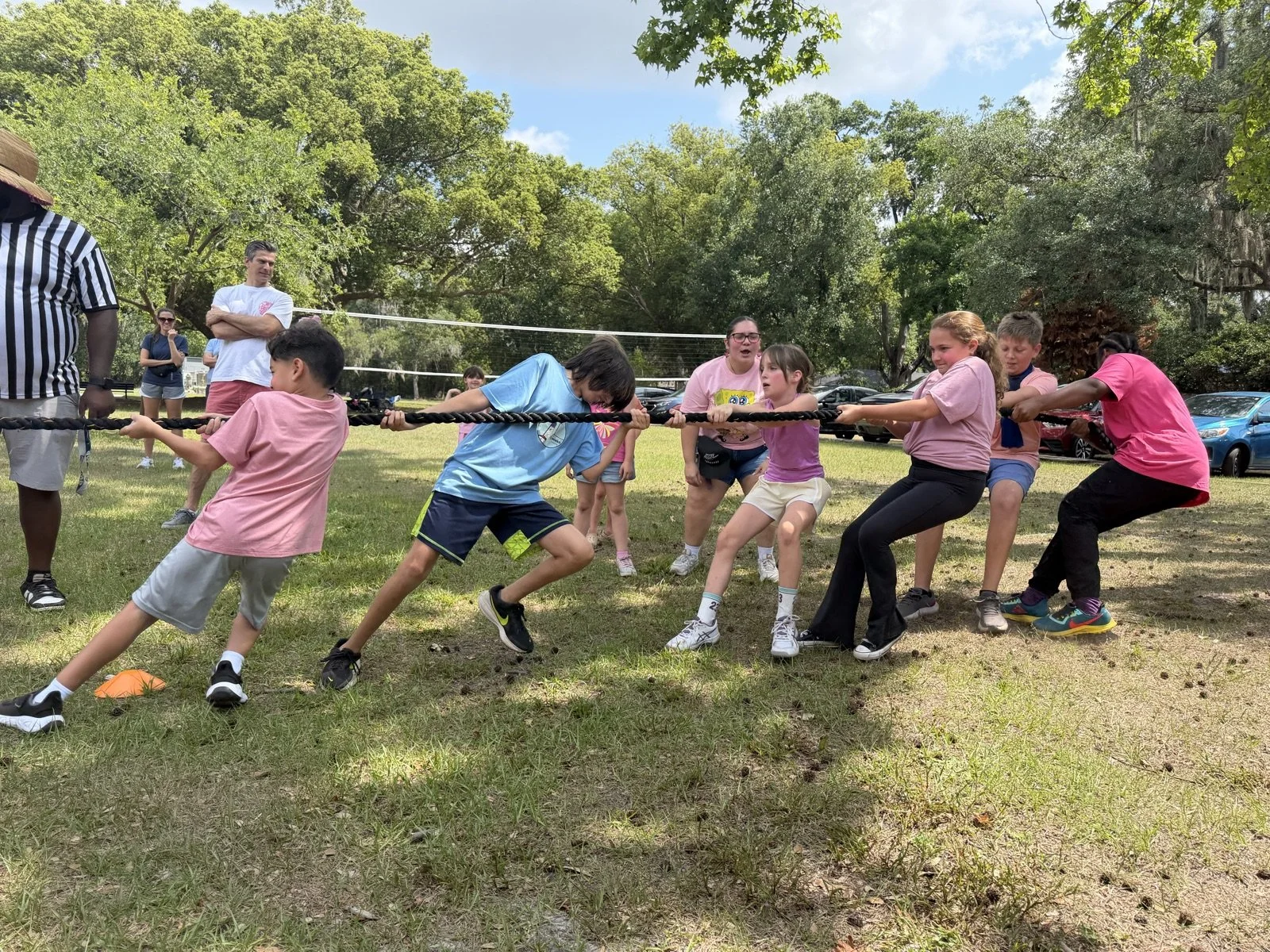
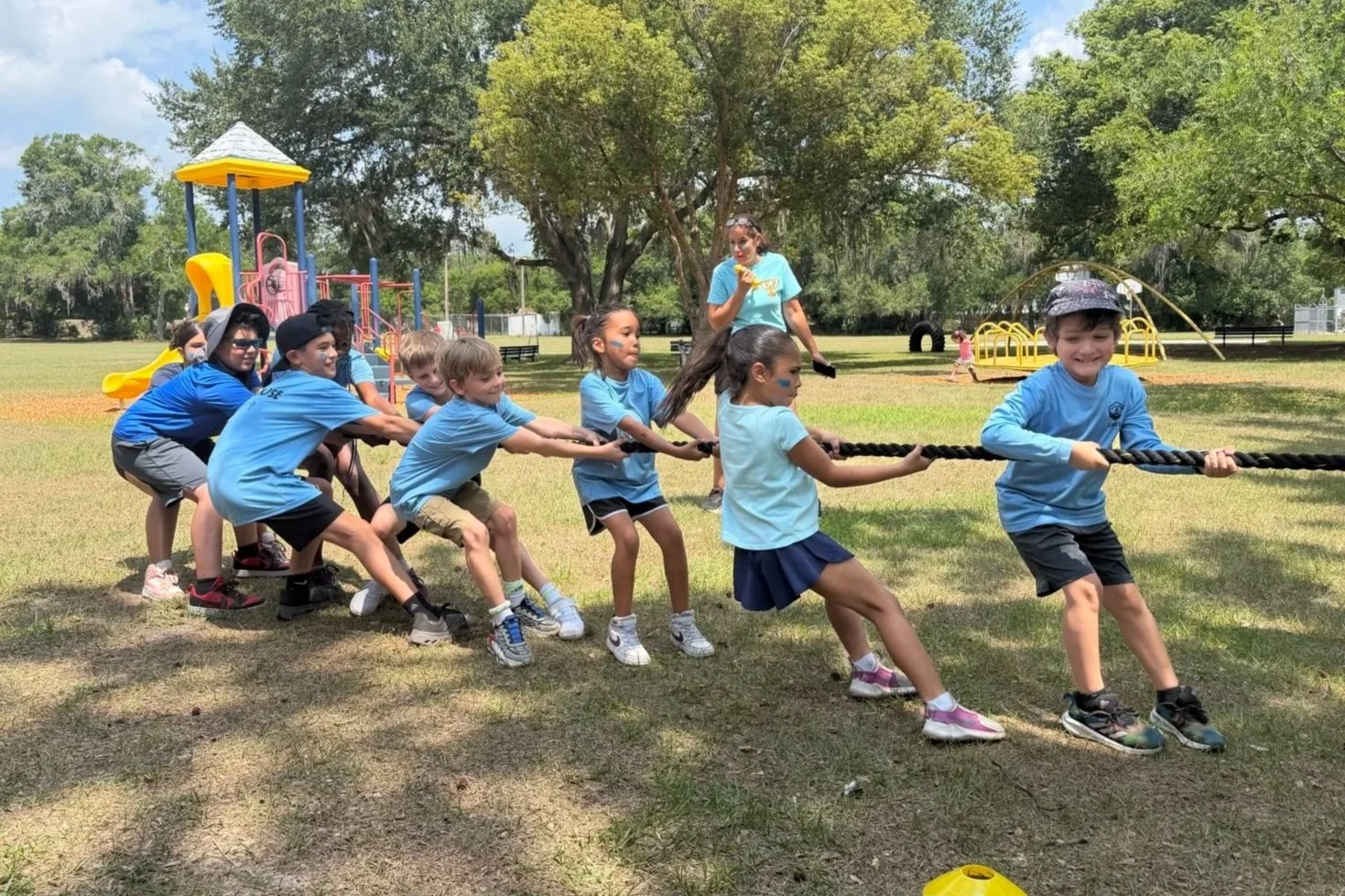
In fact, Lighthouse students have at least three natural opportunities to be outside throughout a typical school day—and often even more when learning moves outdoors.
8:30–9:00 AM
Morning Drop-Off + Outside Time
The school day doesn't have to begin with children walking directly from a car into a desk.
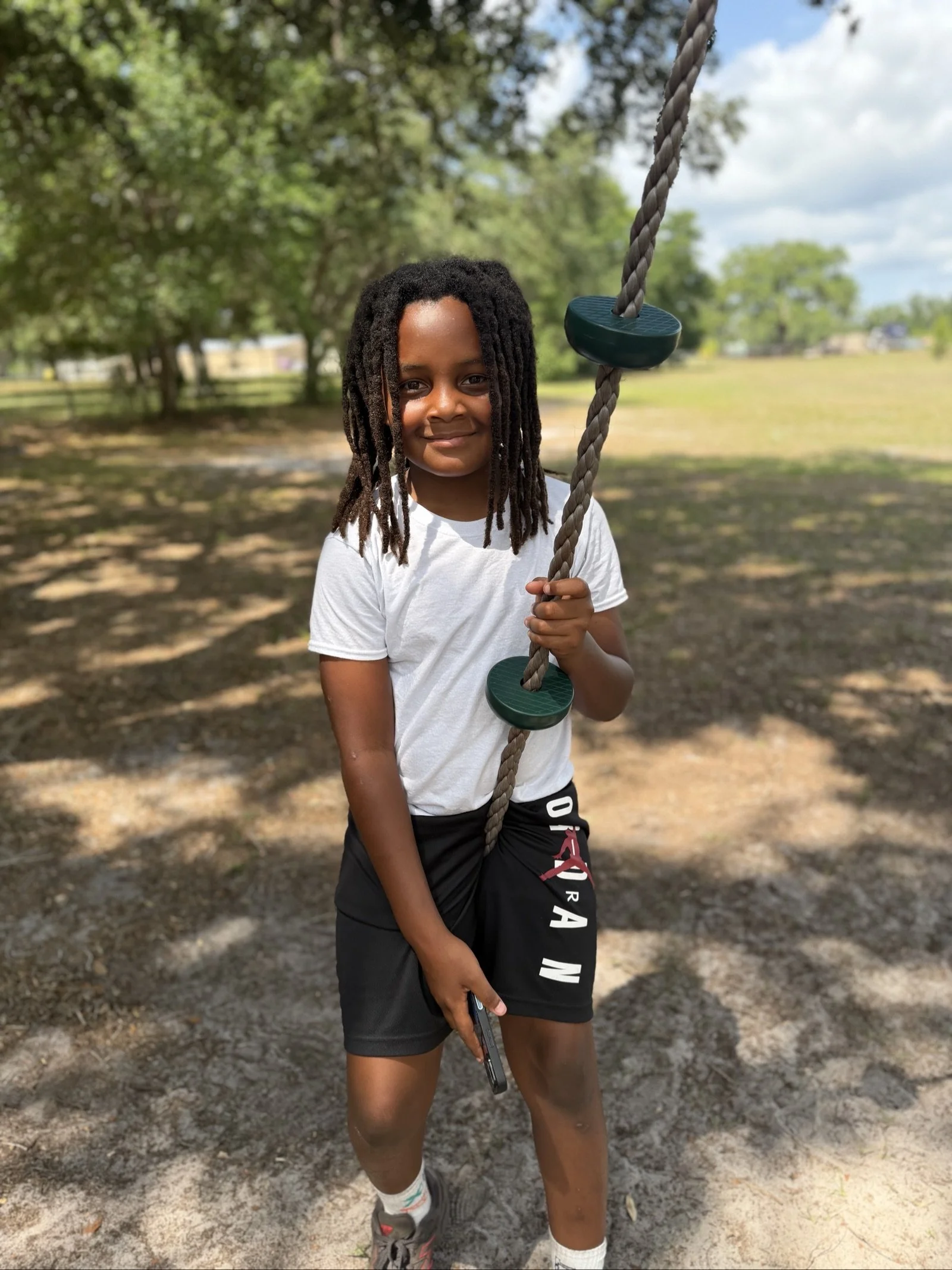
Students begin their morning outside.
They have time to arrive, move, see friends, talk, play, and transition into the school day before academic instruction begins.
It creates a gentler beginning.
By the time students enter their classrooms, they've already had an opportunity to connect with their community and get their bodies moving.
What Does a Day at Lighthouse Learning Feel Like?
Focused Learning + Flexible Movement
Morning Academics
Students transition into their academic day through their HomePods, Walk-to-Learn groups, small-group instruction, and independent learning.
Depending on the lesson, learning may also move beyond the classroom.
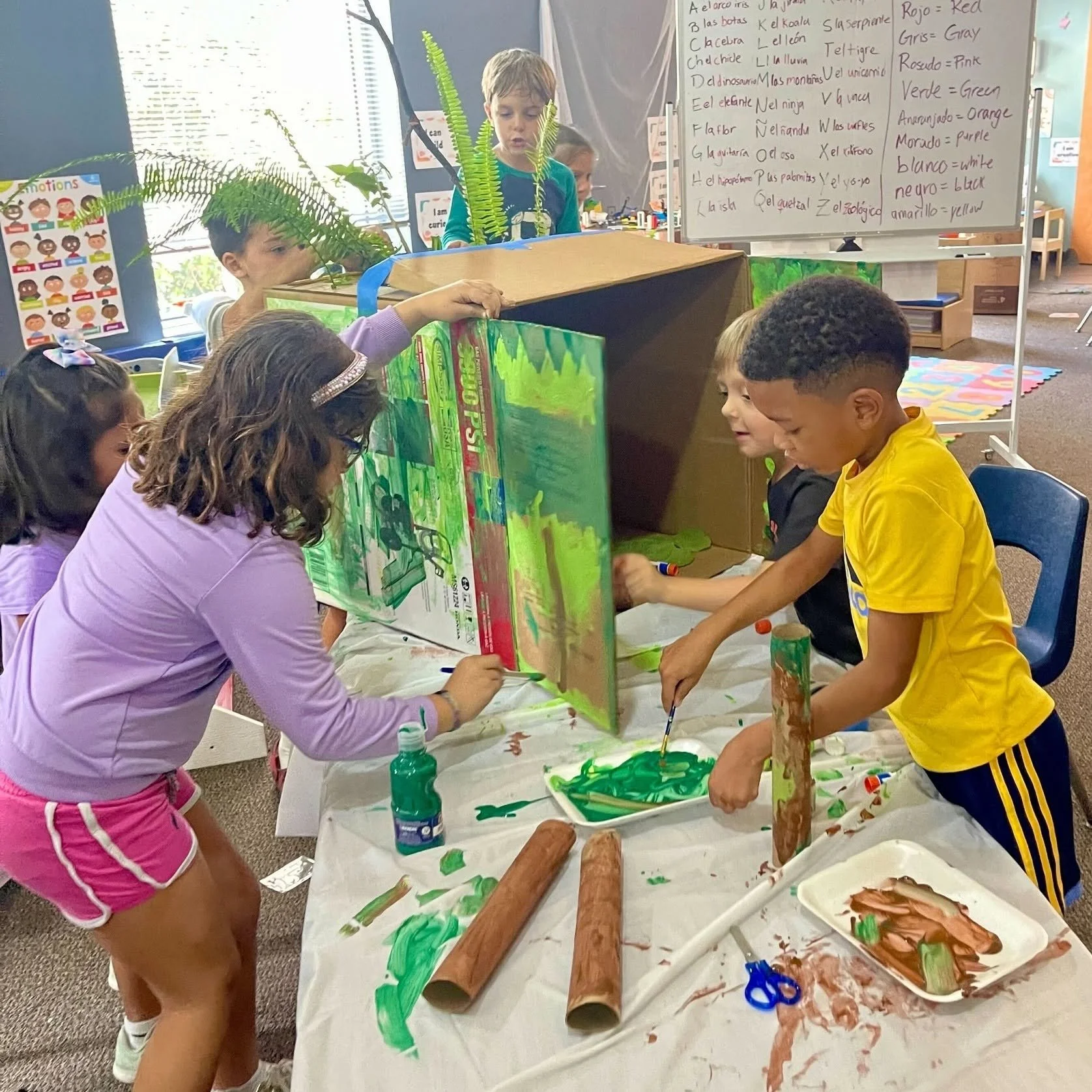
Students may read outside, complete projects, participate in nature-based learning, conduct experiments, collaborate with classmates, or use the campus environment as part of the learning experience.
We don't believe meaningful learning has to happen behind a desk.
Eat. Move. Connect.
Lunch + Recess
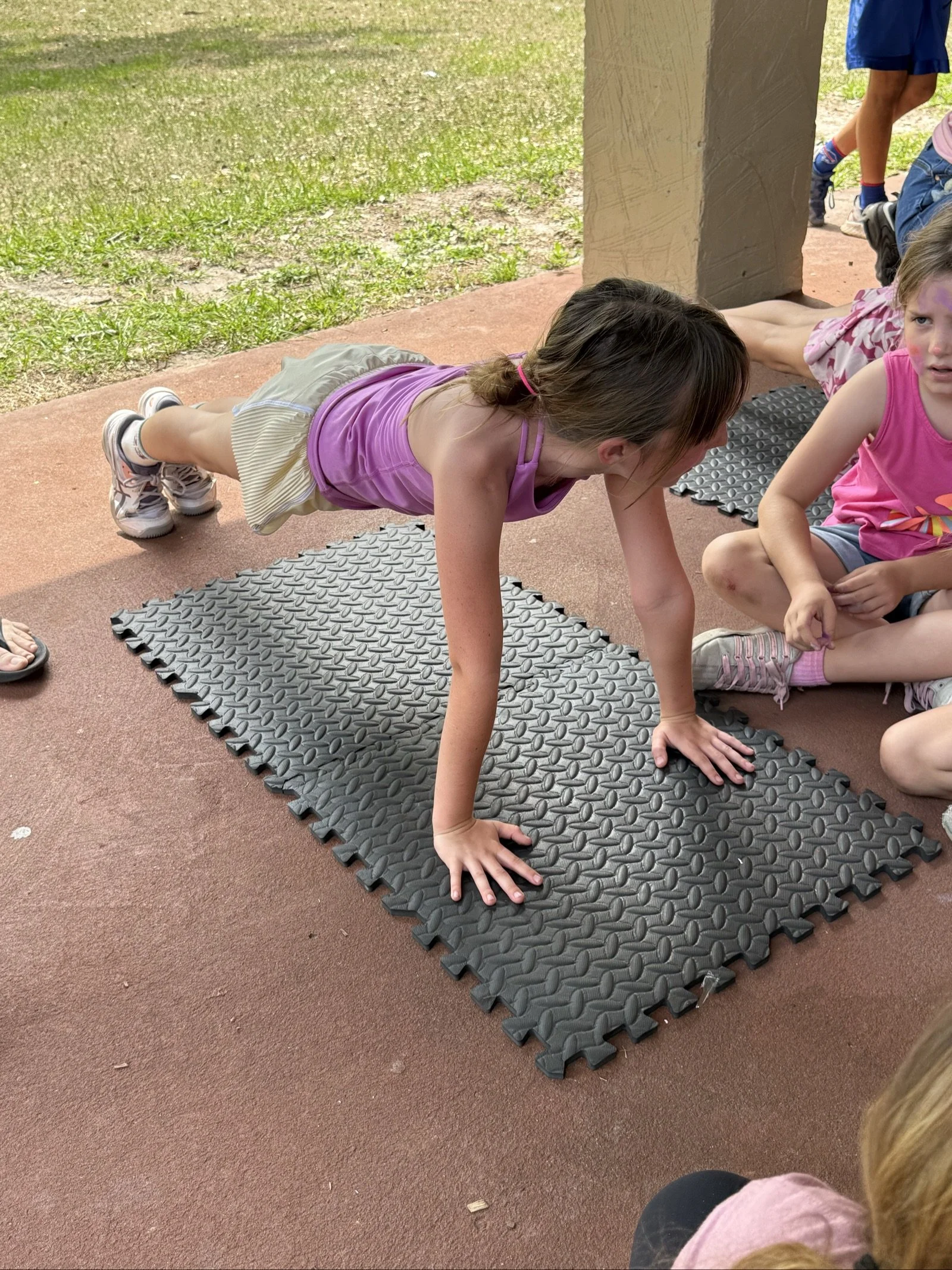
Lunch and recess provide another intentional opportunity to be outside.
Students eat, talk with friends, move, play, and reset before returning to the next part of their day.
These periods aren't treated as wasted instructional time.
Children need opportunities to move, socialize, develop friendships, solve everyday problems with peers, and simply enjoy being children.
Those moments are part of school too.
Outside Together Again
End of the Day
Before students head home, they have another opportunity to be outside.
It's a chance to decompress, move, connect with friends, and finish the school day in community rather than moving directly from a classroom chair to the car.
For many students, some of the most important conversations and friendships happen in those in-between moments.
Because children need rhythm.
There are times to focus deeply.
There are times to collaborate.
There are times to move.
And there are times to reset.
Outdoor time naturally creates breaks between periods of concentration and gives students opportunities for movement, social connection, imaginative play, conversation, and fresh air.
It can also give teachers another window into who students are.
You learn something different about a child when you see them solving a disagreement on the playground, organizing a game with friends, helping another student, exploring something they discovered outside, or simply talking while they walk.
We don't separate relationships from learning.
They are connected.
Why So Much Time Outside?