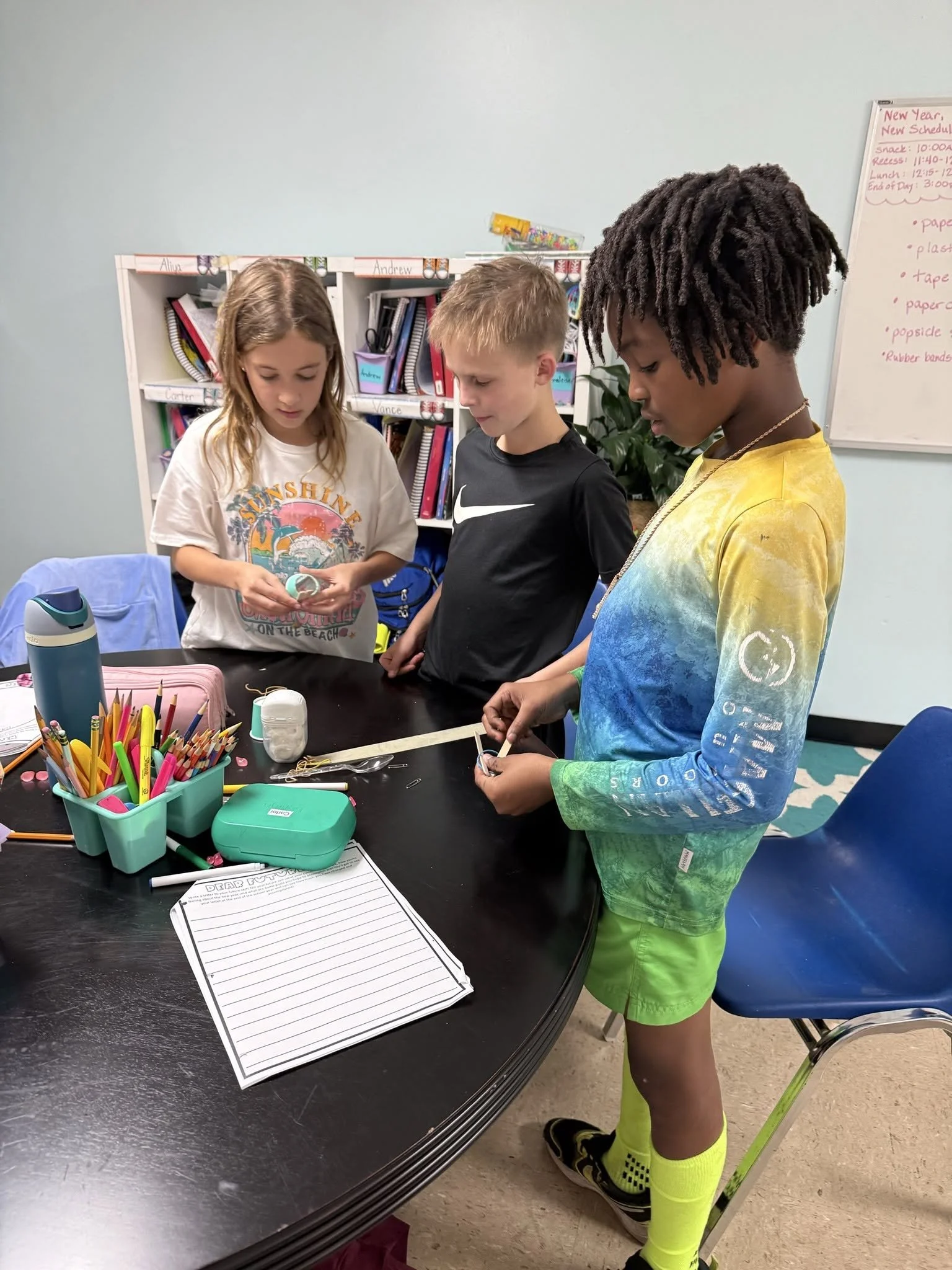
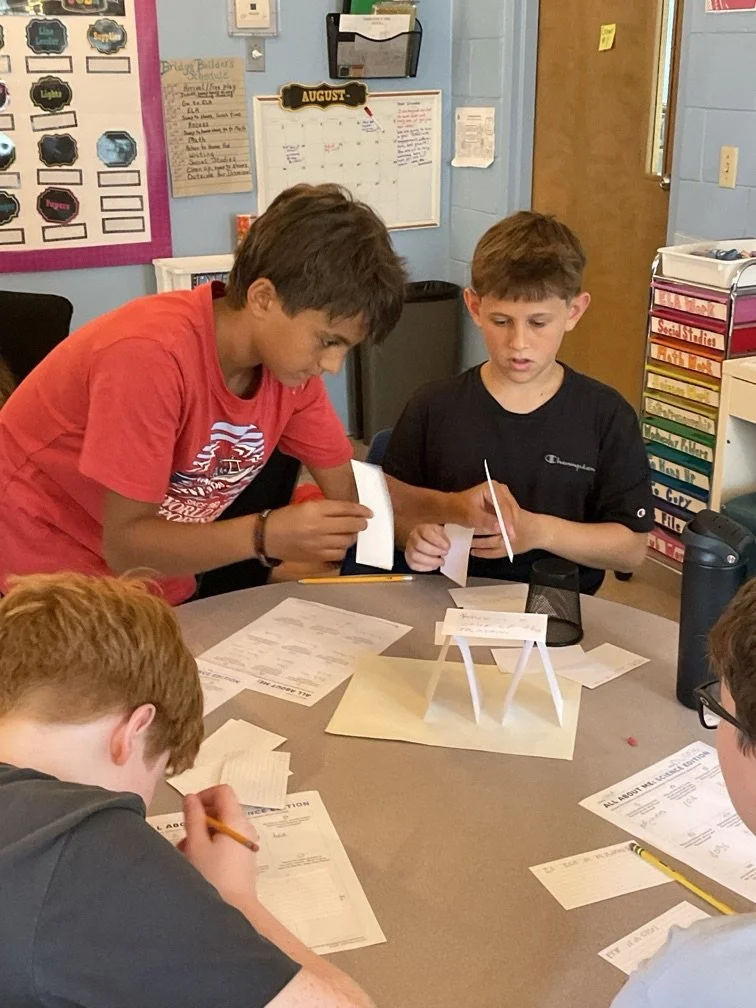
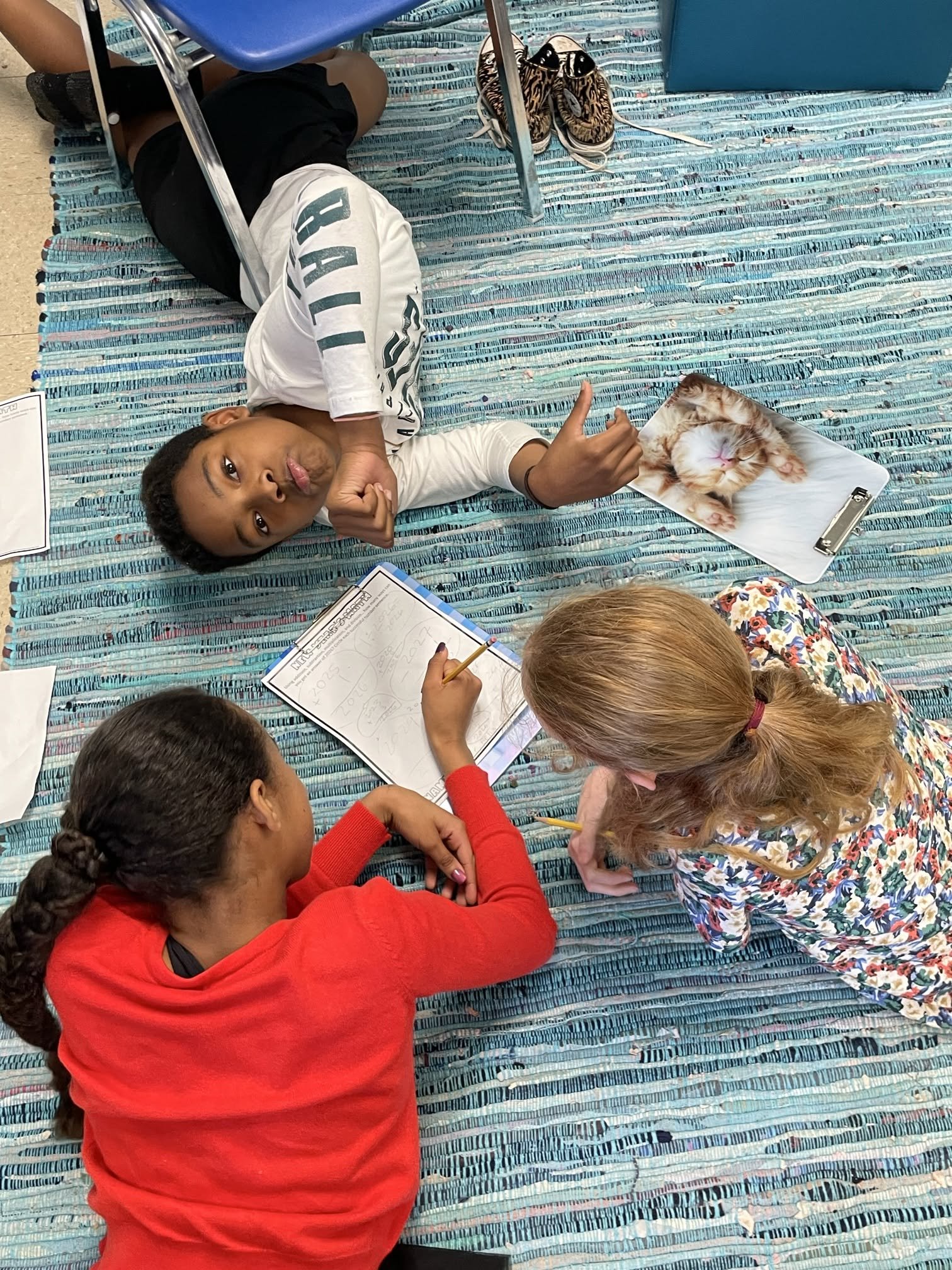
The elementary years are where foundational academic skills become increasingly powerful tools for learning.
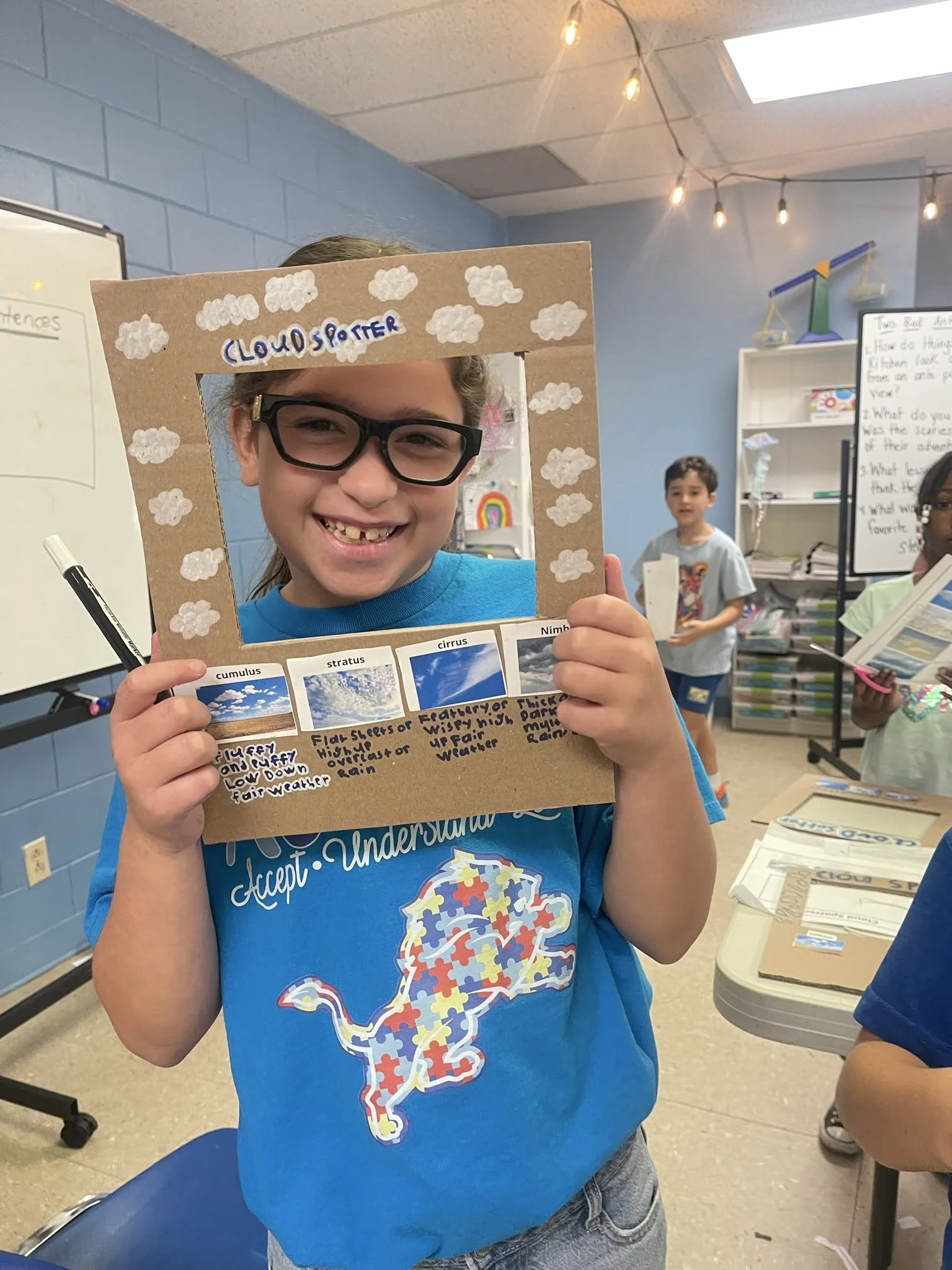
At Lighthouse, elementary students continue building strong skills in Reading, Writing, and Math while expanding their knowledge through Science, Social Studies, projects, discussion, hands-on experiences, and enrichment.
At the same time, students begin taking greater responsibility for their learning.
Strong Foundations. Growing Independence.
Elementary
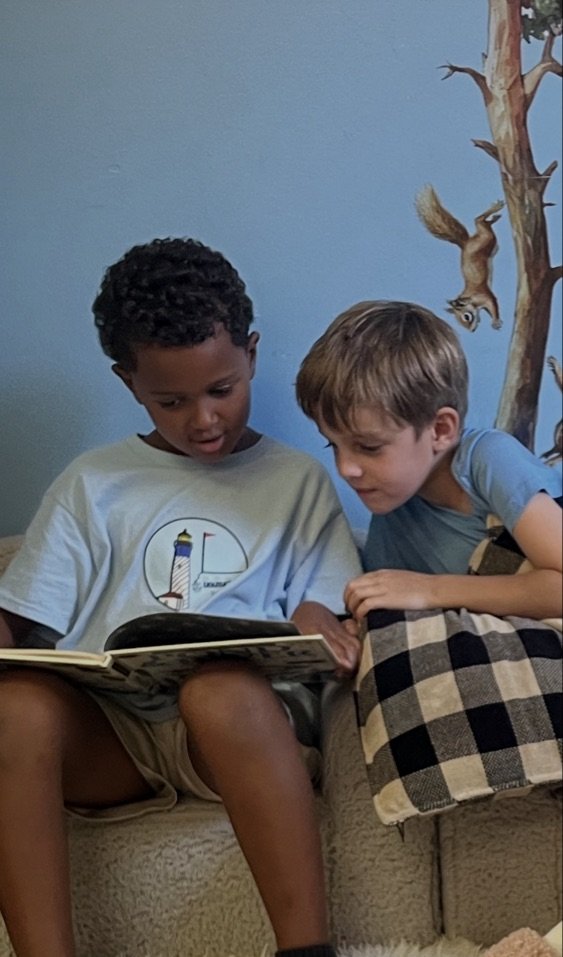
Elementary students aren't all developing as readers at exactly the same pace.
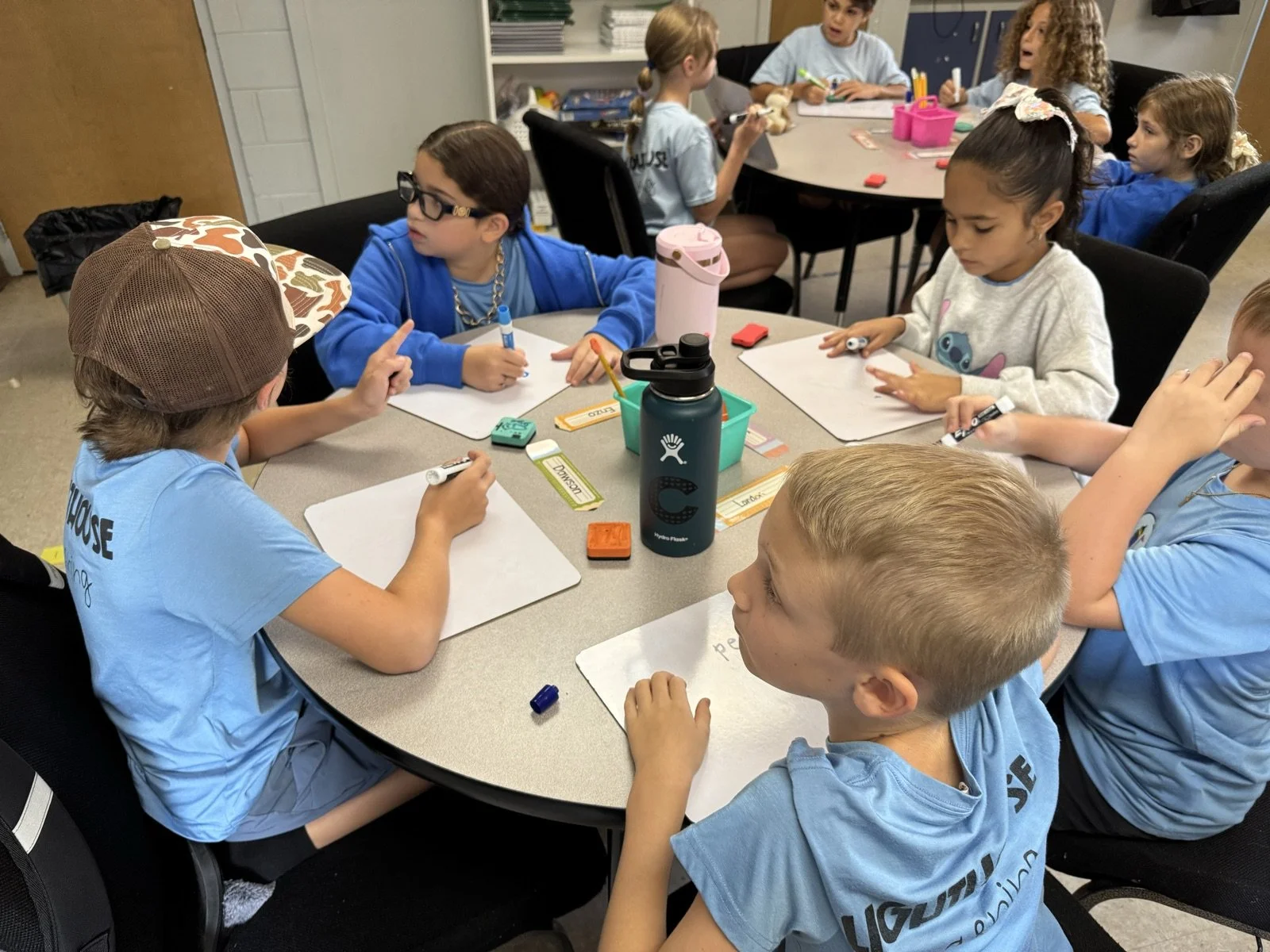
Our Walk-to-Learn model allows students to receive Reading instruction based more closely on demonstrated skill and instructional readiness.
Depending on the student, instruction may focus on strengthening foundational reading skills, developing fluency and comprehension, expanding vocabulary, analyzing increasingly complex text, or providing greater challenge.
As students grow, their instructional needs can change—and their groups can change with them.
Reading That Grows With the Student
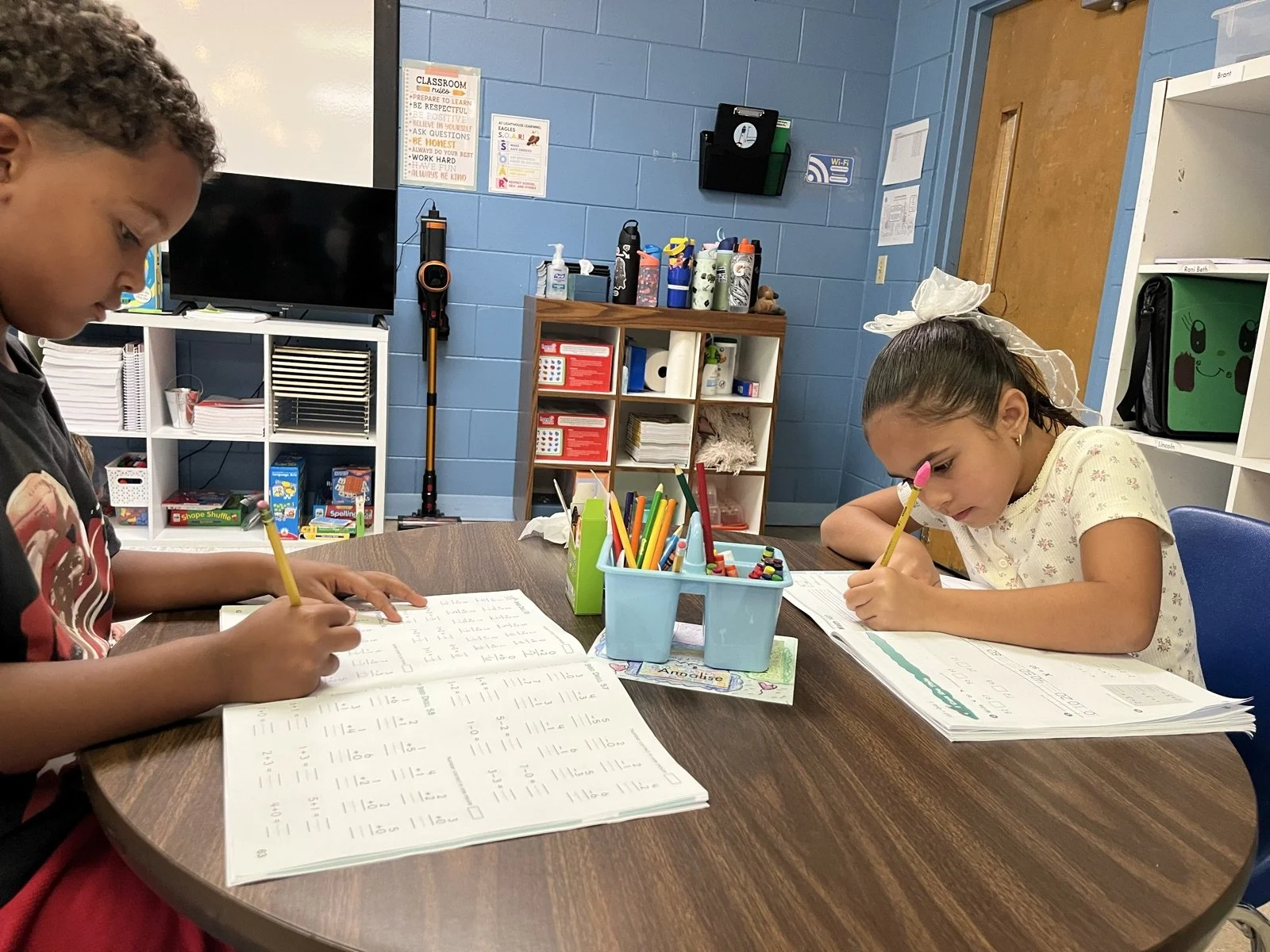
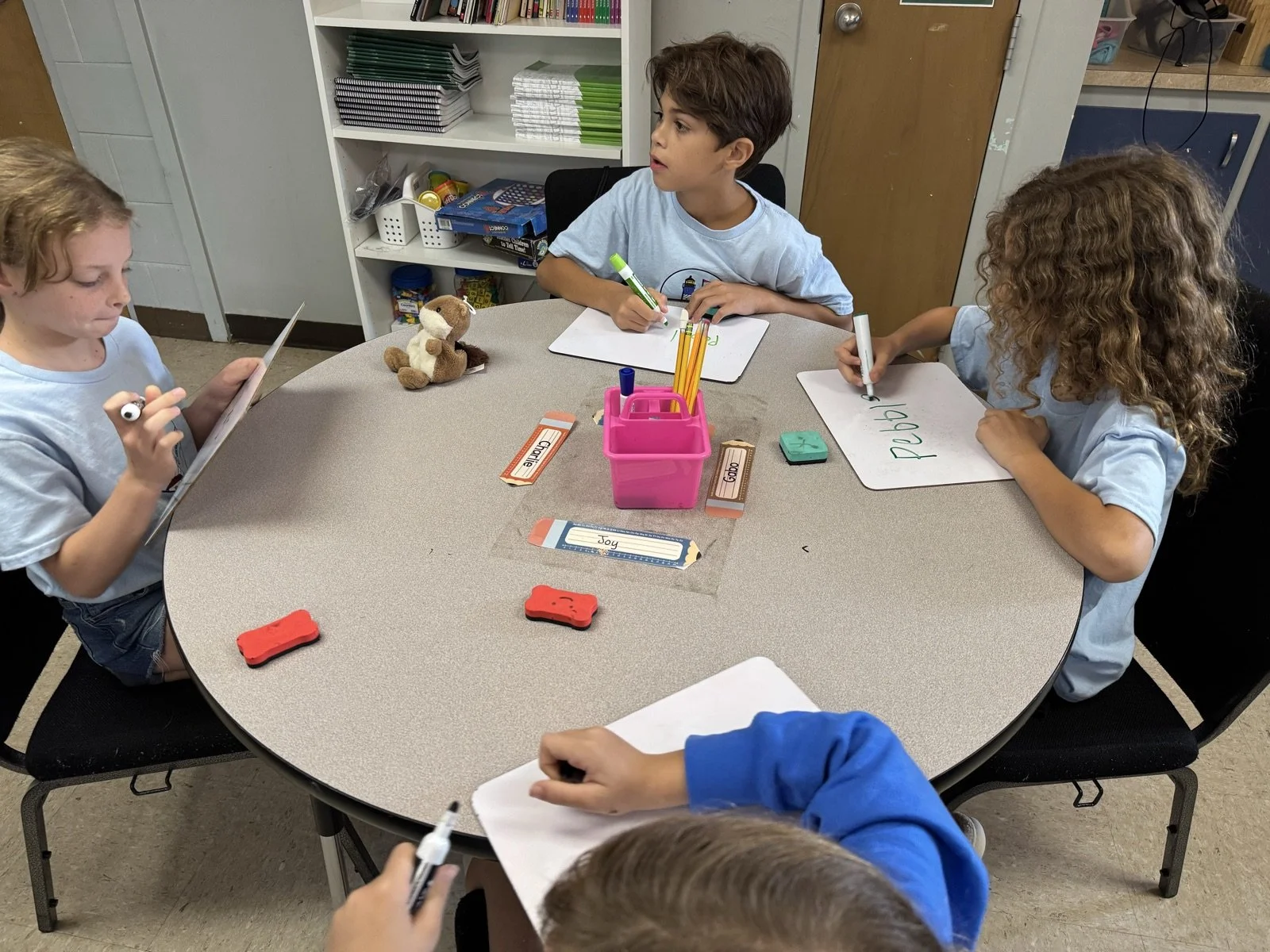
Students learn to move beyond simply putting words on a page.
Elementary Writing develops students' ability to organize ideas, construct sentences and paragraphs, communicate clearly, use appropriate grammar and conventions, revise their work, and increasingly write for different purposes.
Writing becomes both a skill to develop and a tool students can use across subjects.
Building Confident Writers
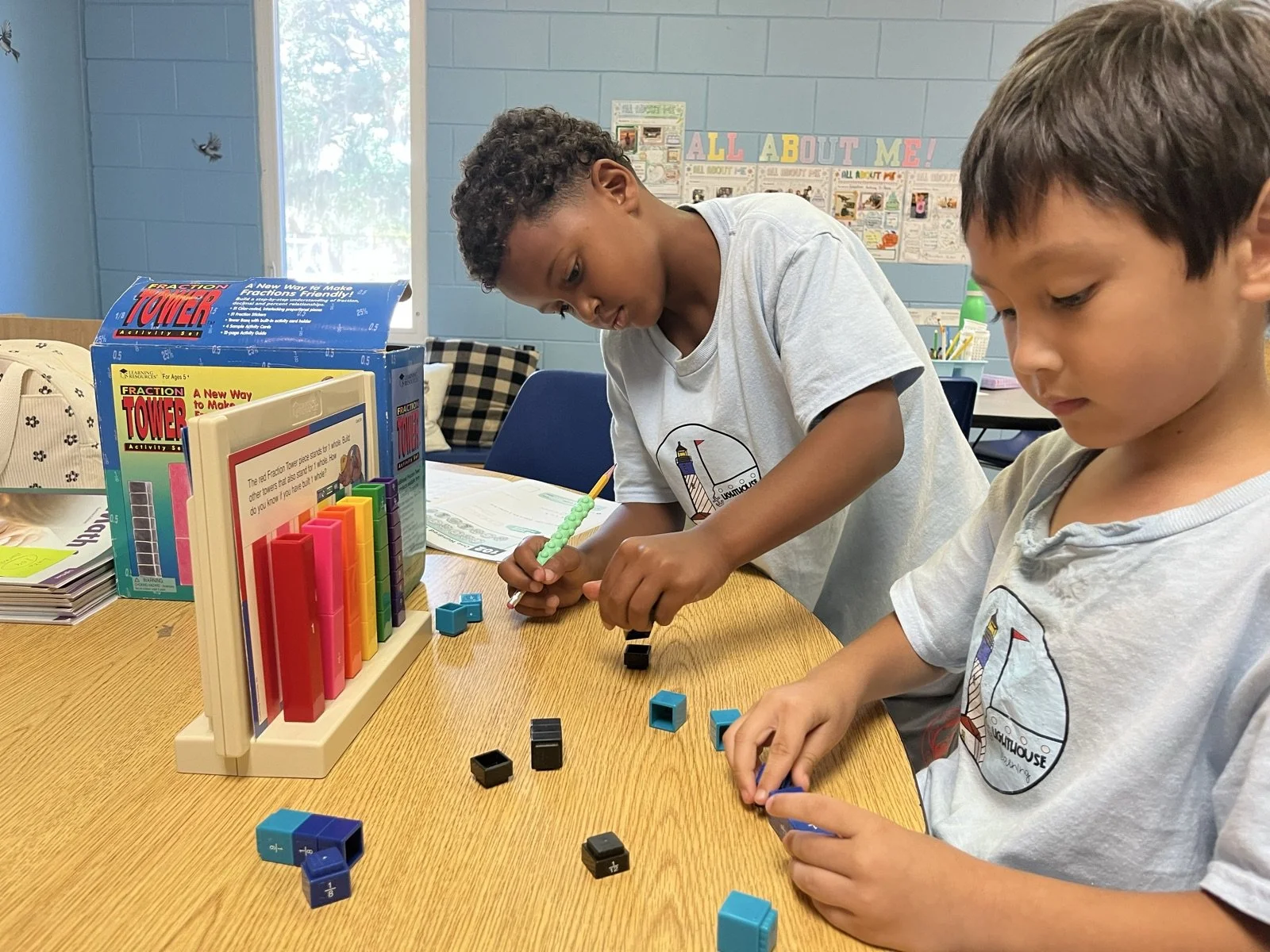
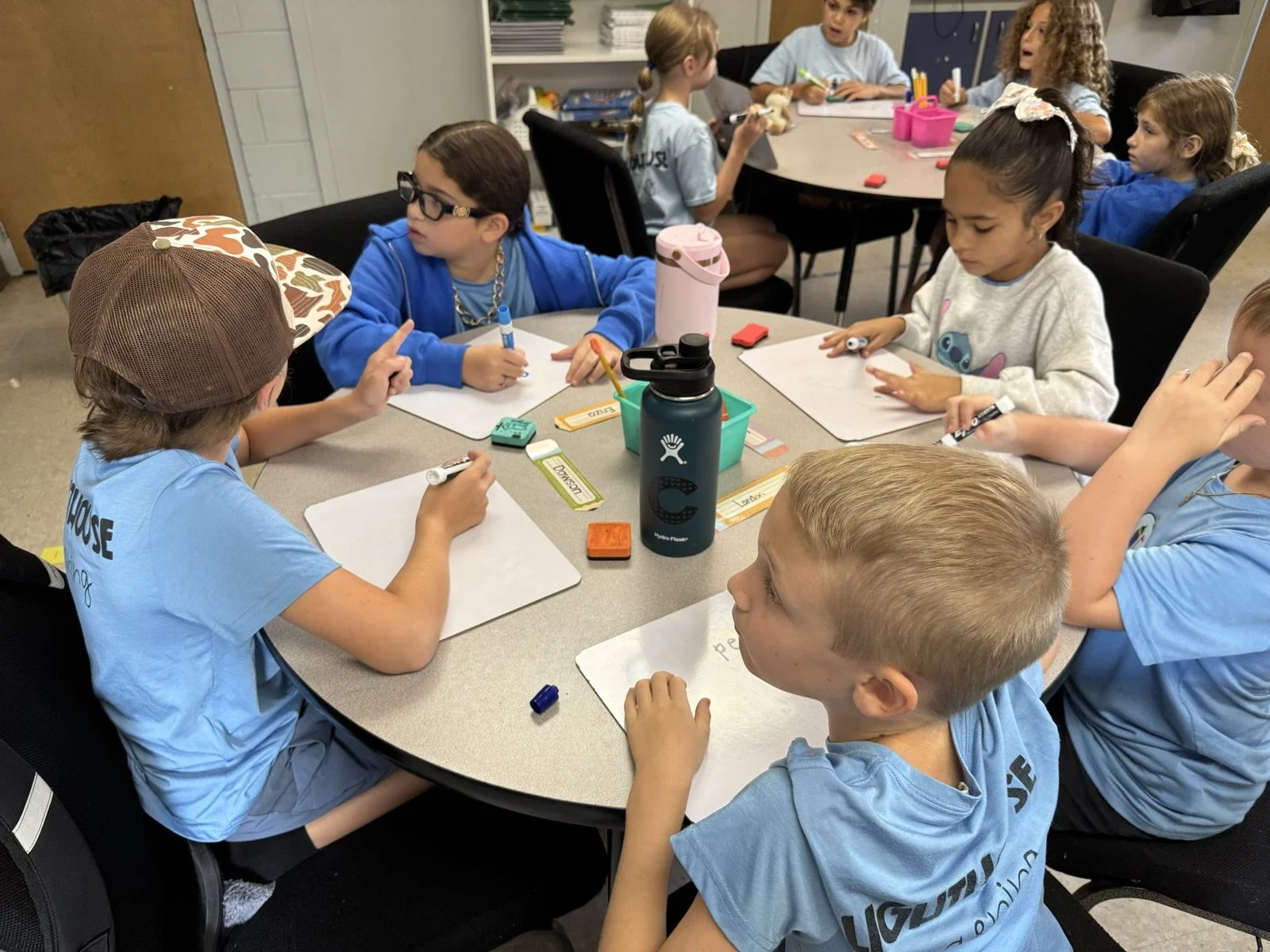
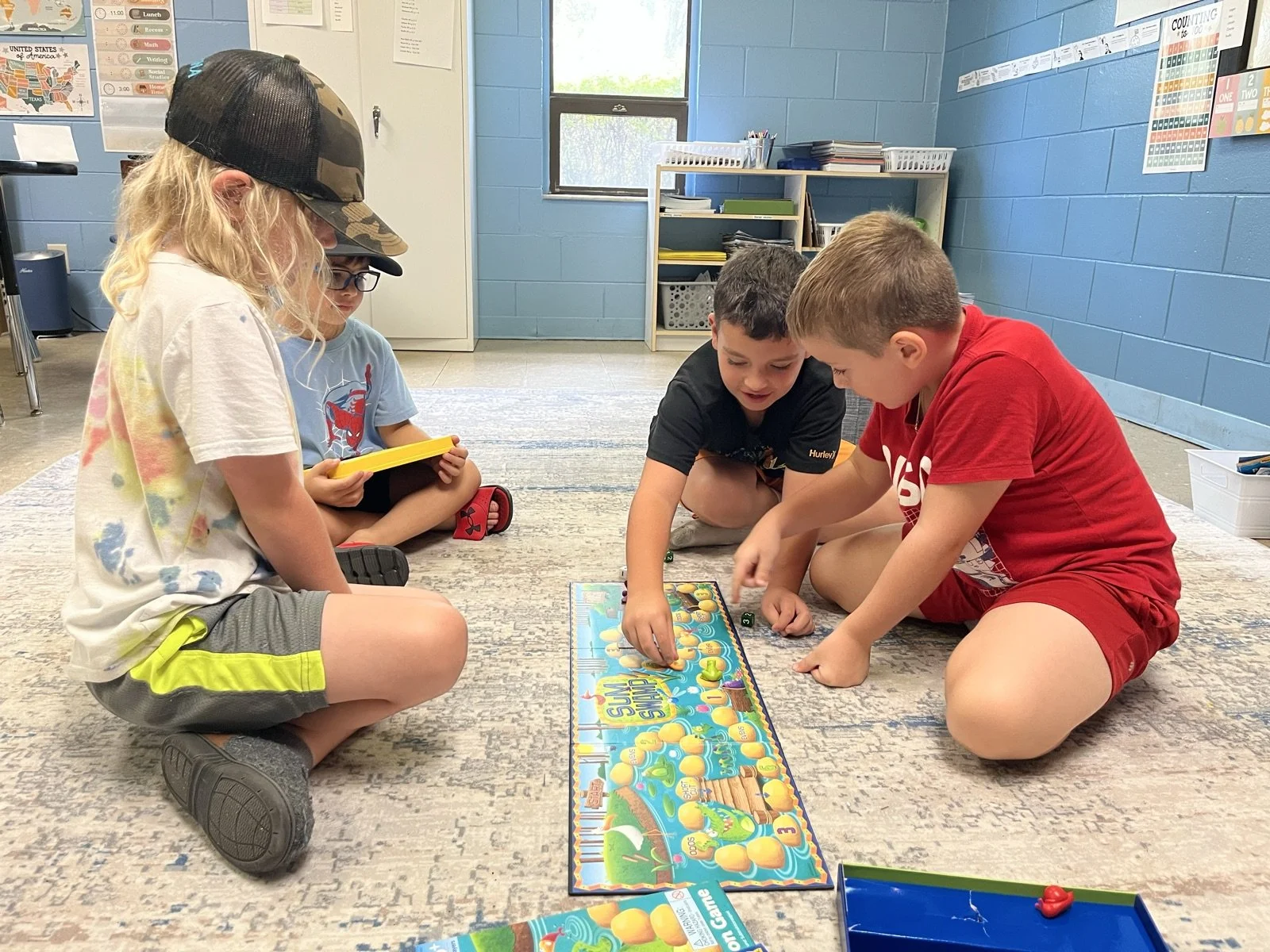
Strong Math skills are built layer by layer.
Students develop mathematical fluency, conceptual understanding, computation, problem-solving, and the foundational skills necessary for increasingly advanced mathematics.
Through Walk-to-Learn, Math instruction can better respond to what students are ready to learn rather than relying solely on age or traditional grade placement.
Mathematics Built on Understanding
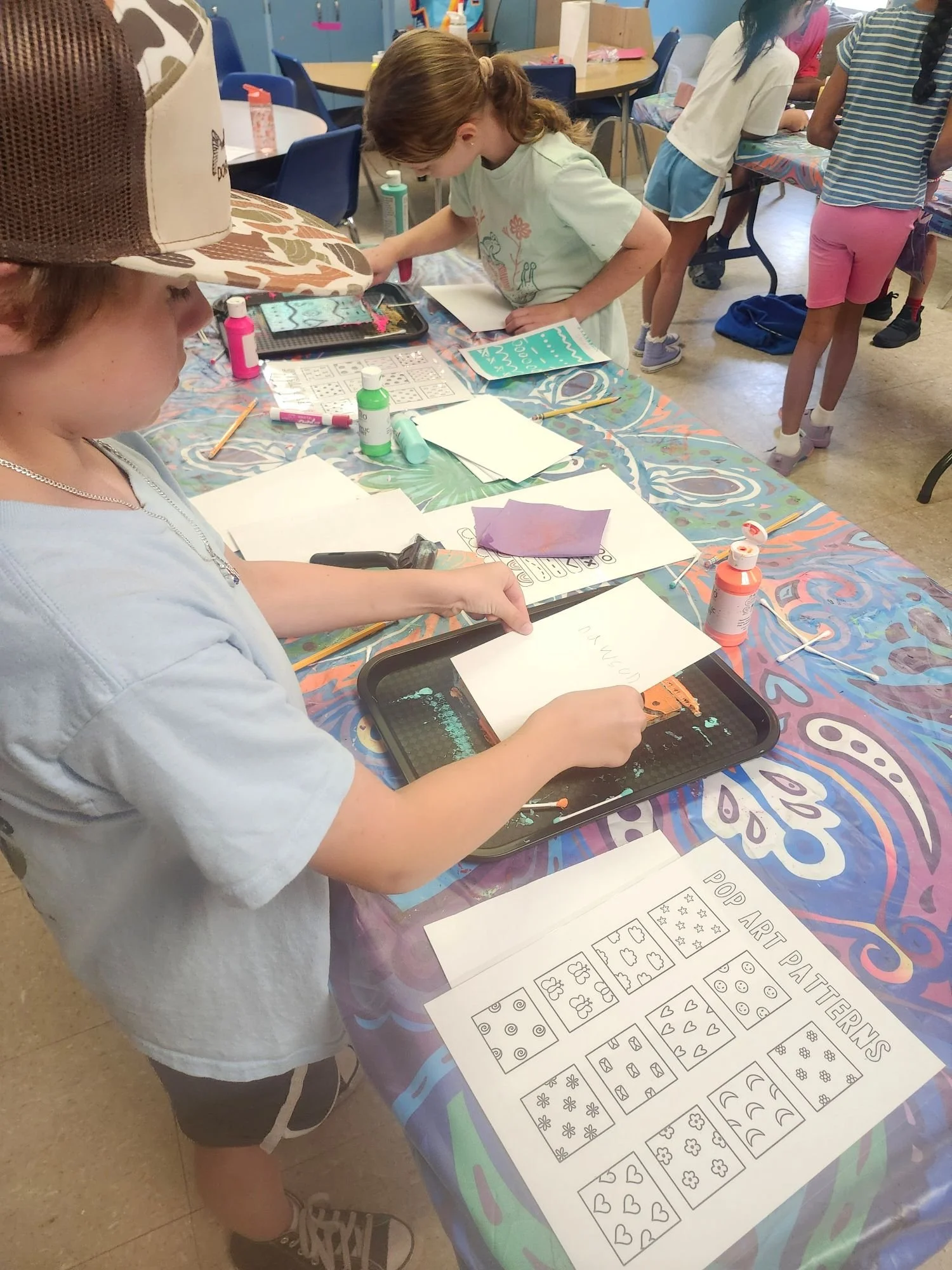
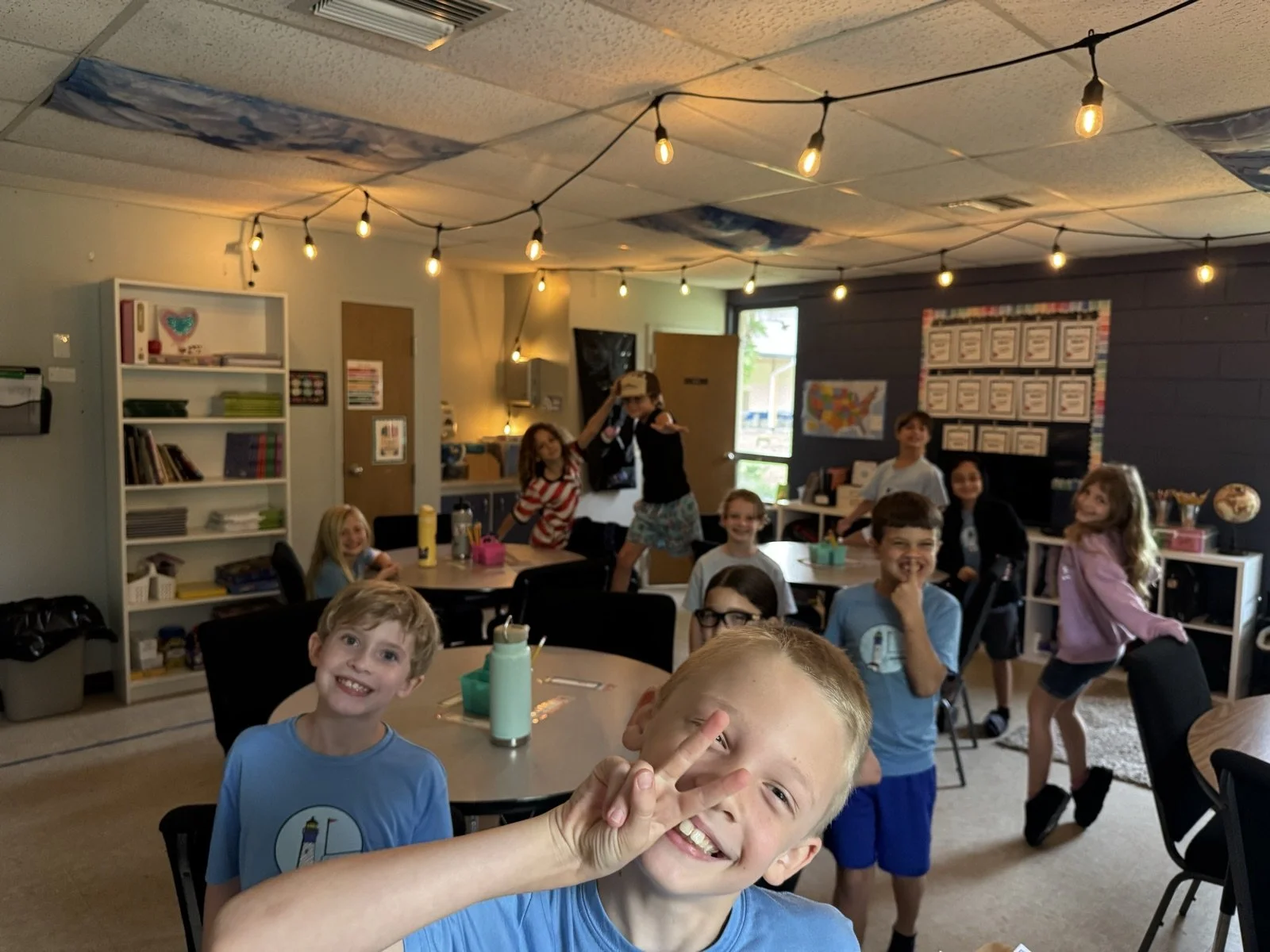
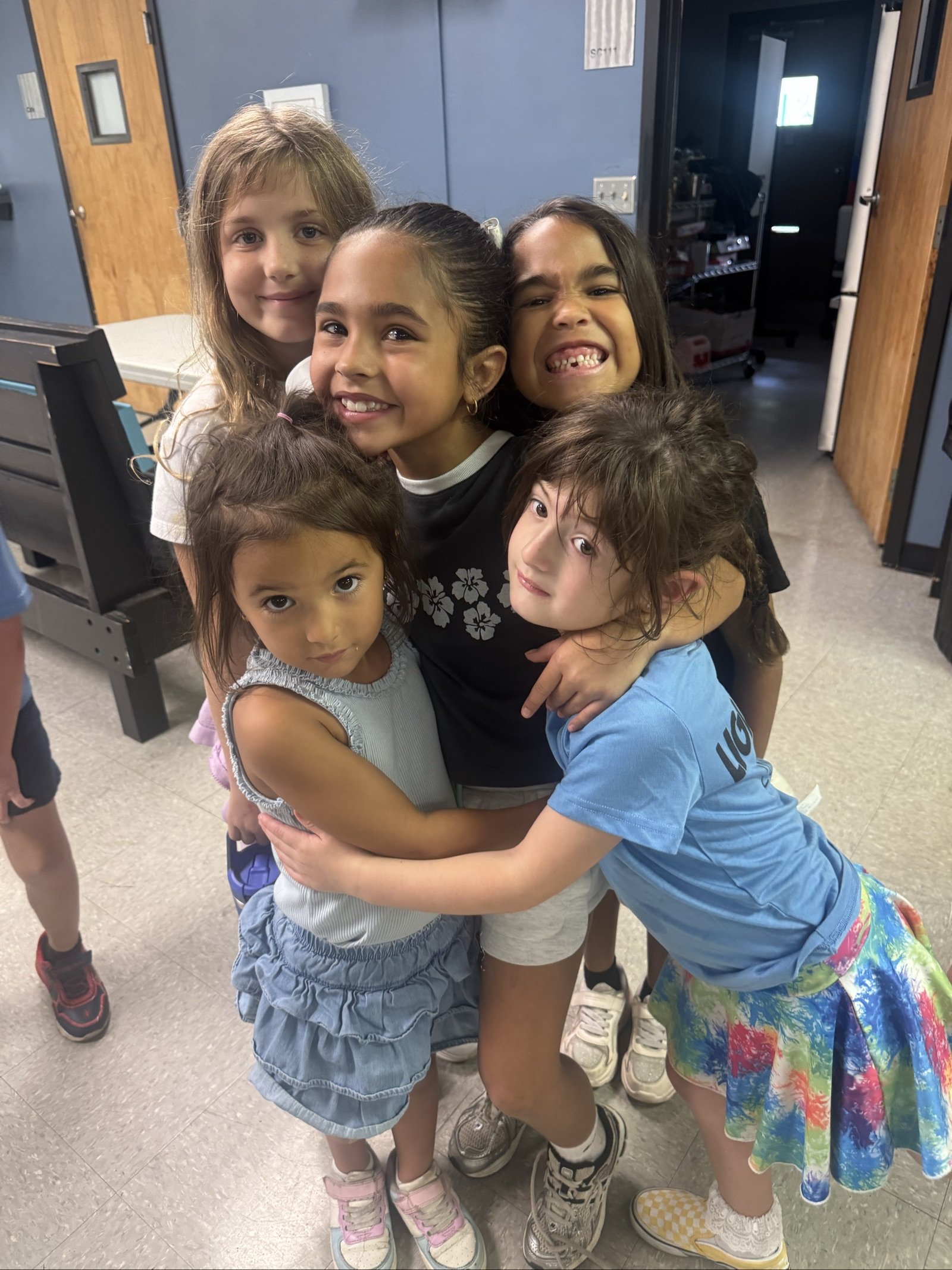
Elementary students have a HomePod where they belong.
Their HomePod provides consistency, relationships, classroom community, and opportunities to learn alongside grade-level peers.
For Reading and Math, students may Walk to Learn with an instructional group designed to better match their academic readiness. HomePod provides belonging. Walk-to-Learn provides flexibility.
HomePod + Walk-to-Learn
Growing Independence
As students progress through elementary school, expectations gradually increase. Students begin taking greater responsibility for:

Organization
Completing Assignments

Academic
Effort

Home Learning
Managing
Time

Asking
for Help
Participating
in Learning
Teachers provide structure and support while helping students develop the skills necessary to become increasingly independent learners.
Support When Needed. Challenge When Ready.
Students don't all need the same thing at the same time. Some students may need additional practice or reinforcement. Others may be ready for extension or greater challenge.
Our goal isn't to label a student as “ahead” or “behind.”