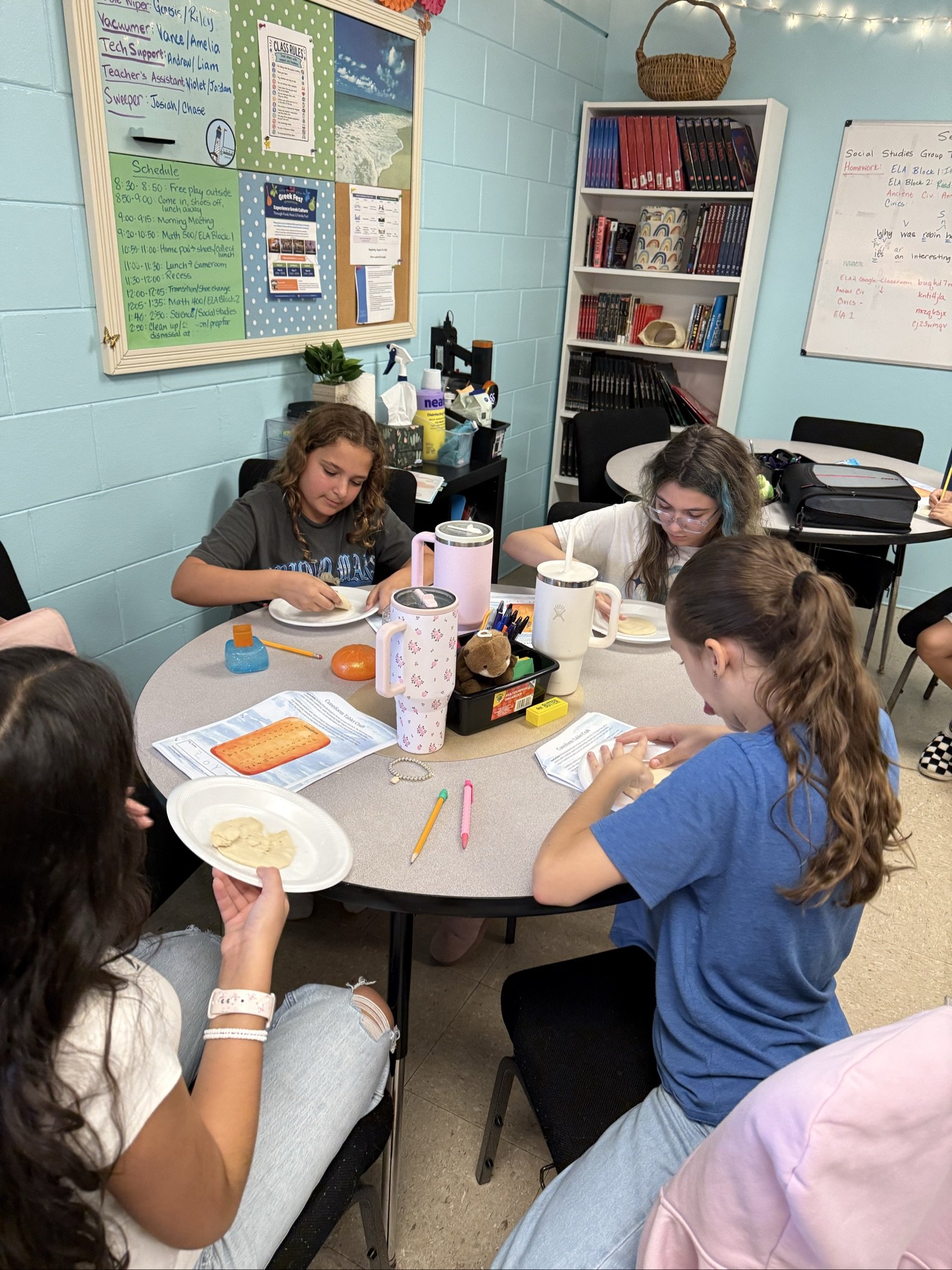
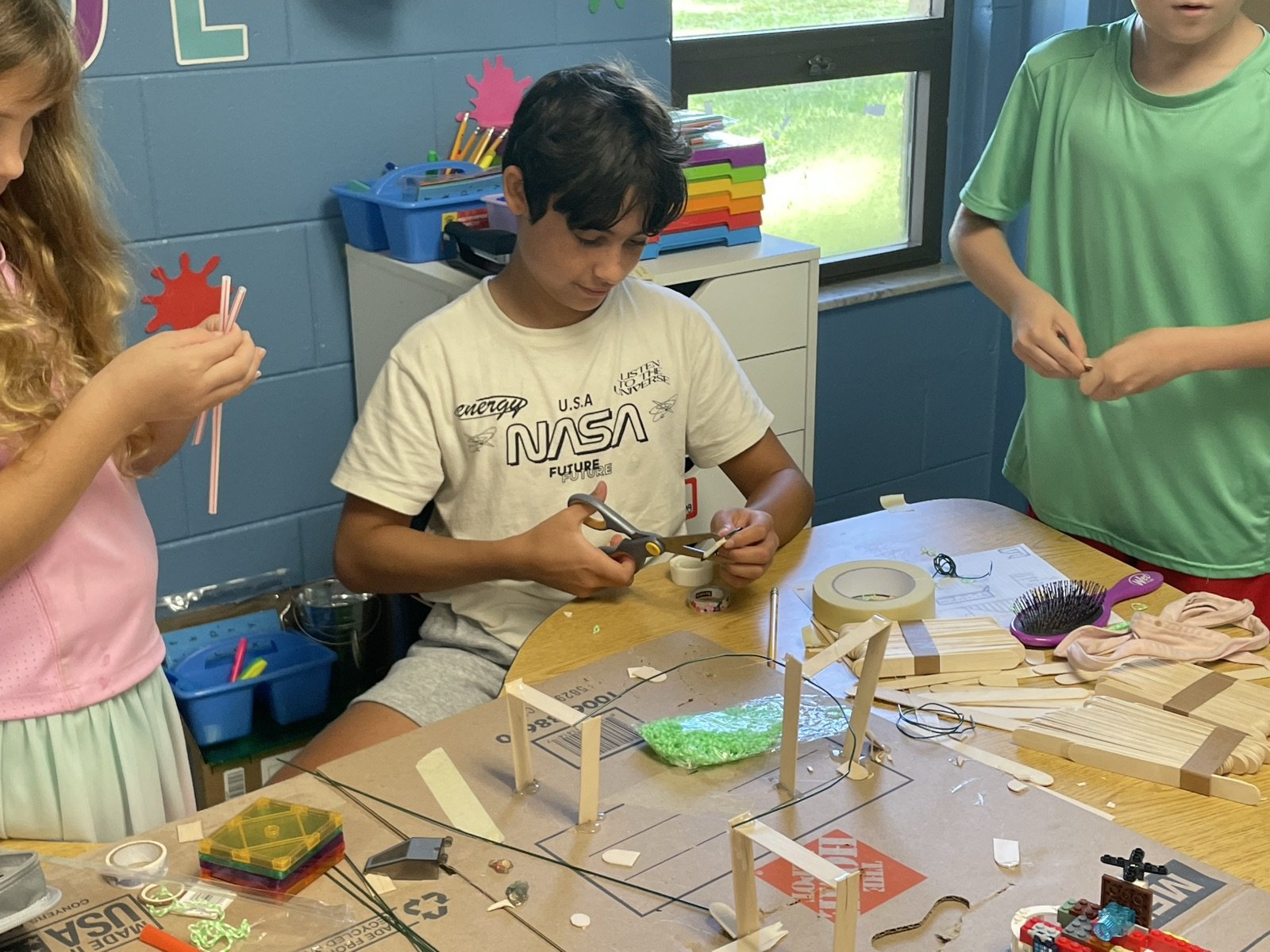
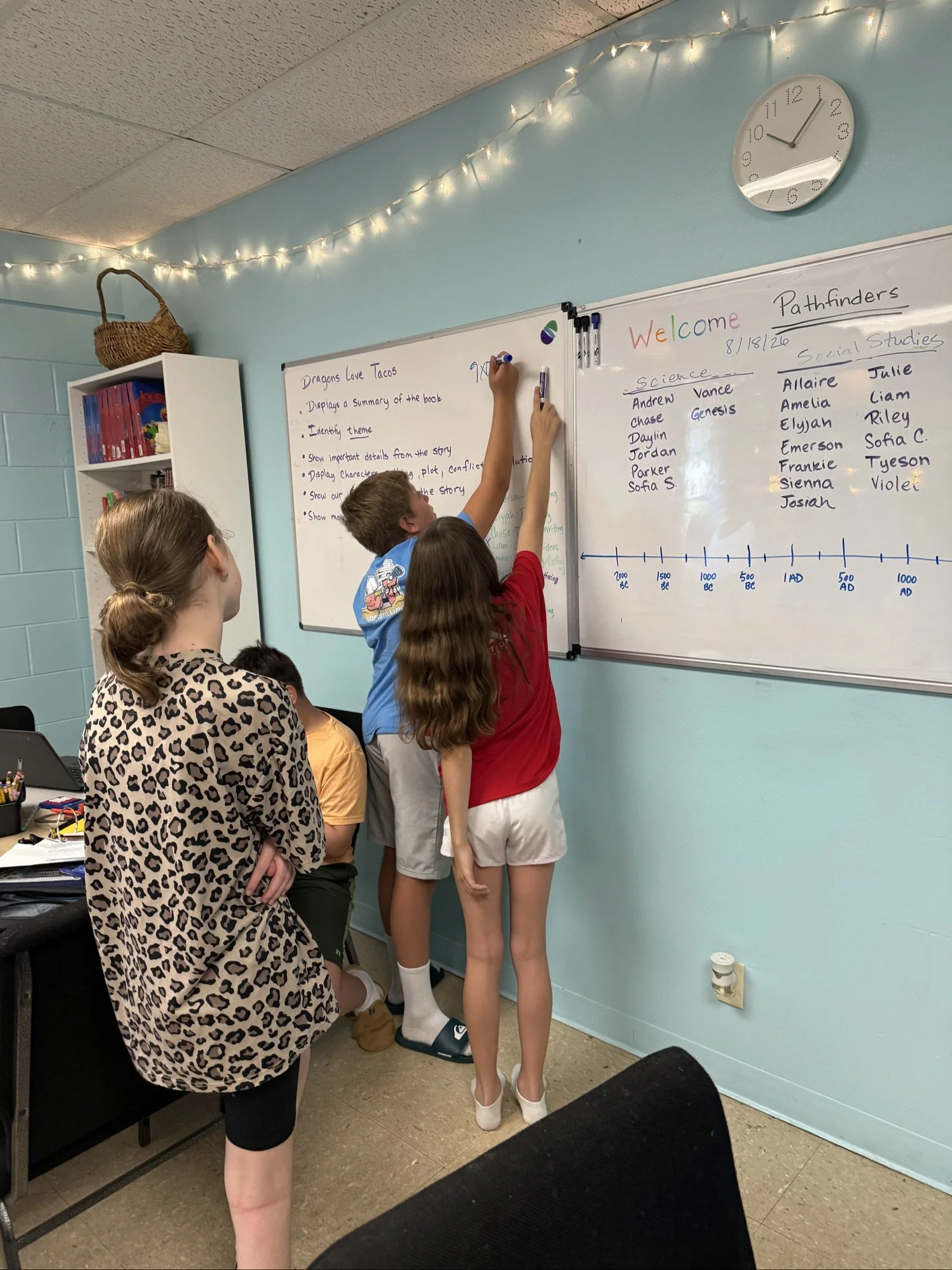
Middle school is a bridge.
Students are no longer young elementary learners—but they're still developing the academic habits, organization, confidence, judgment, and independence they'll need for high school.
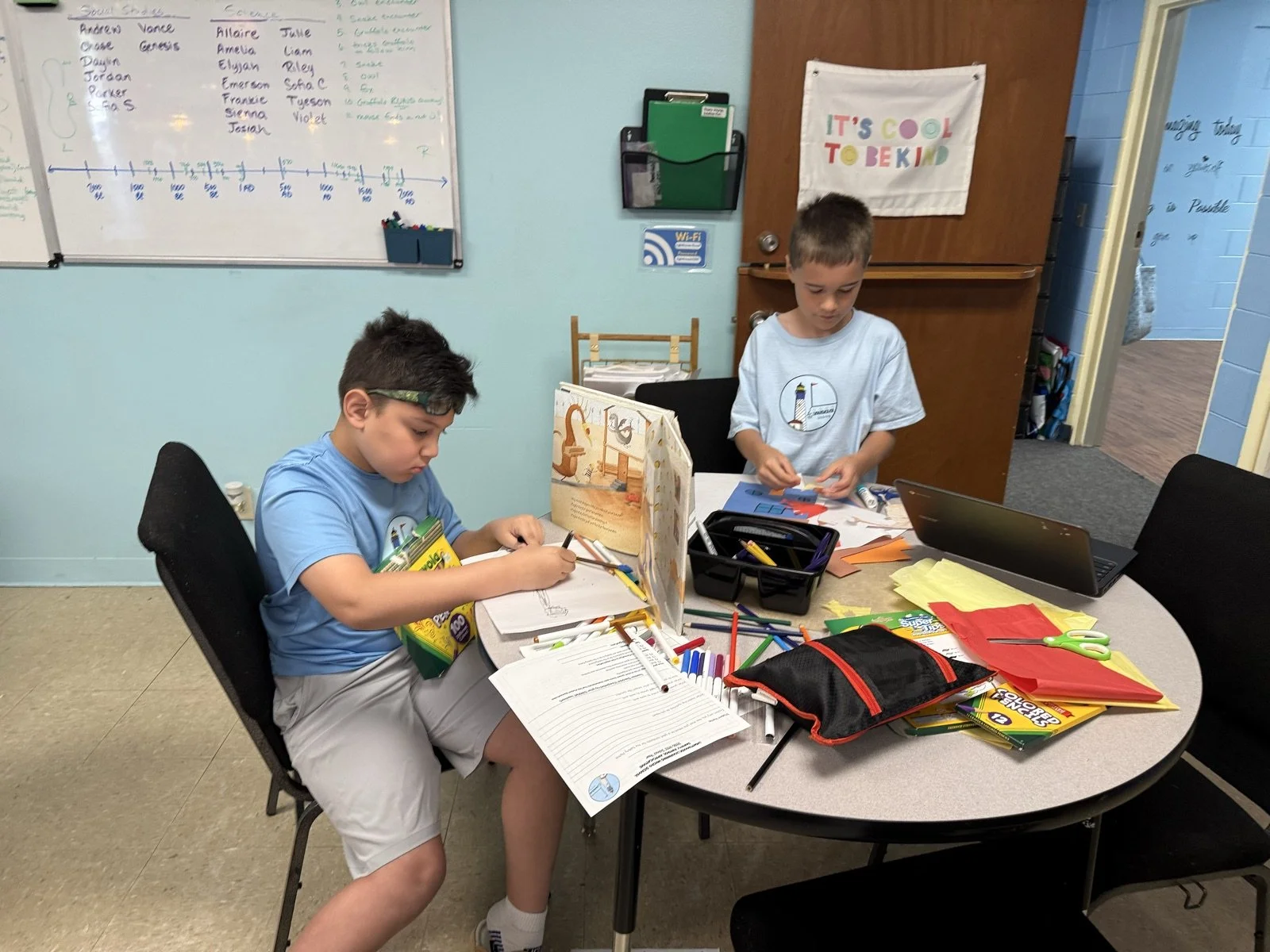
At Lighthouse, Middle School combines strong academics with increasing responsibility and student ownership.
The goal isn't simply to prepare students for the next grade.
We're preparing them for what comes next.
Preparing Students for What Comes Next.
Middle School
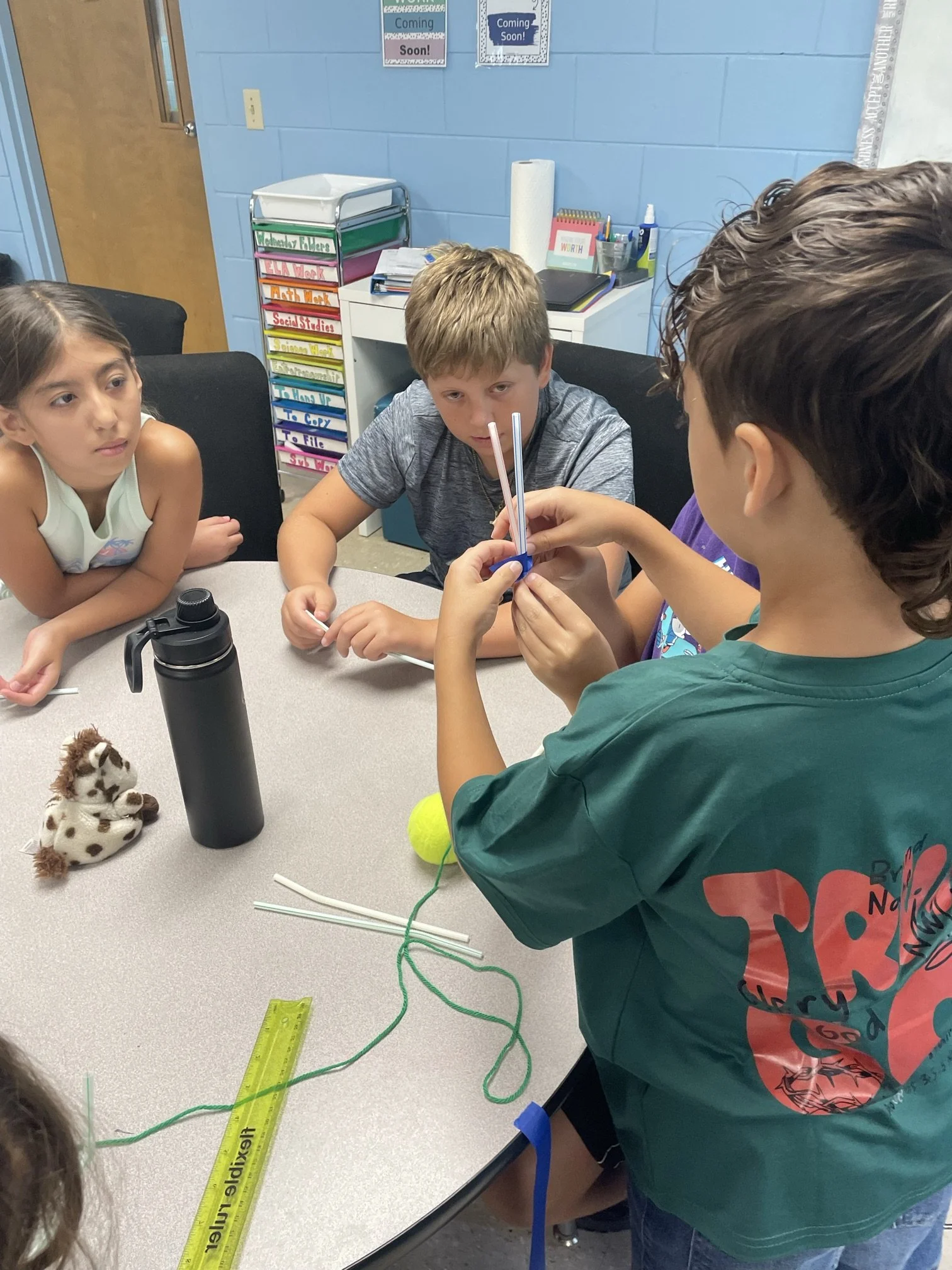
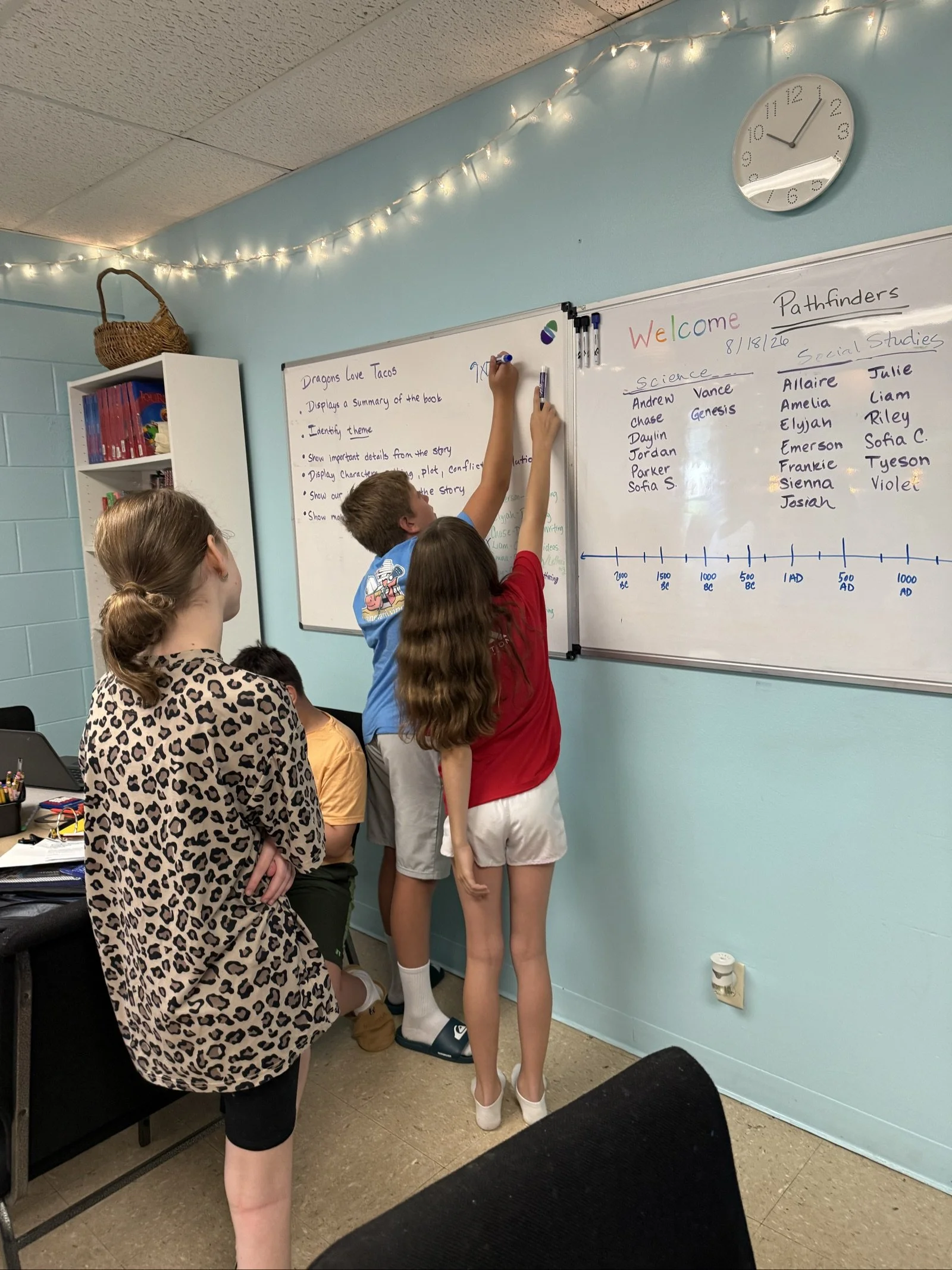
Middle School students move beyond simply understanding what they read.
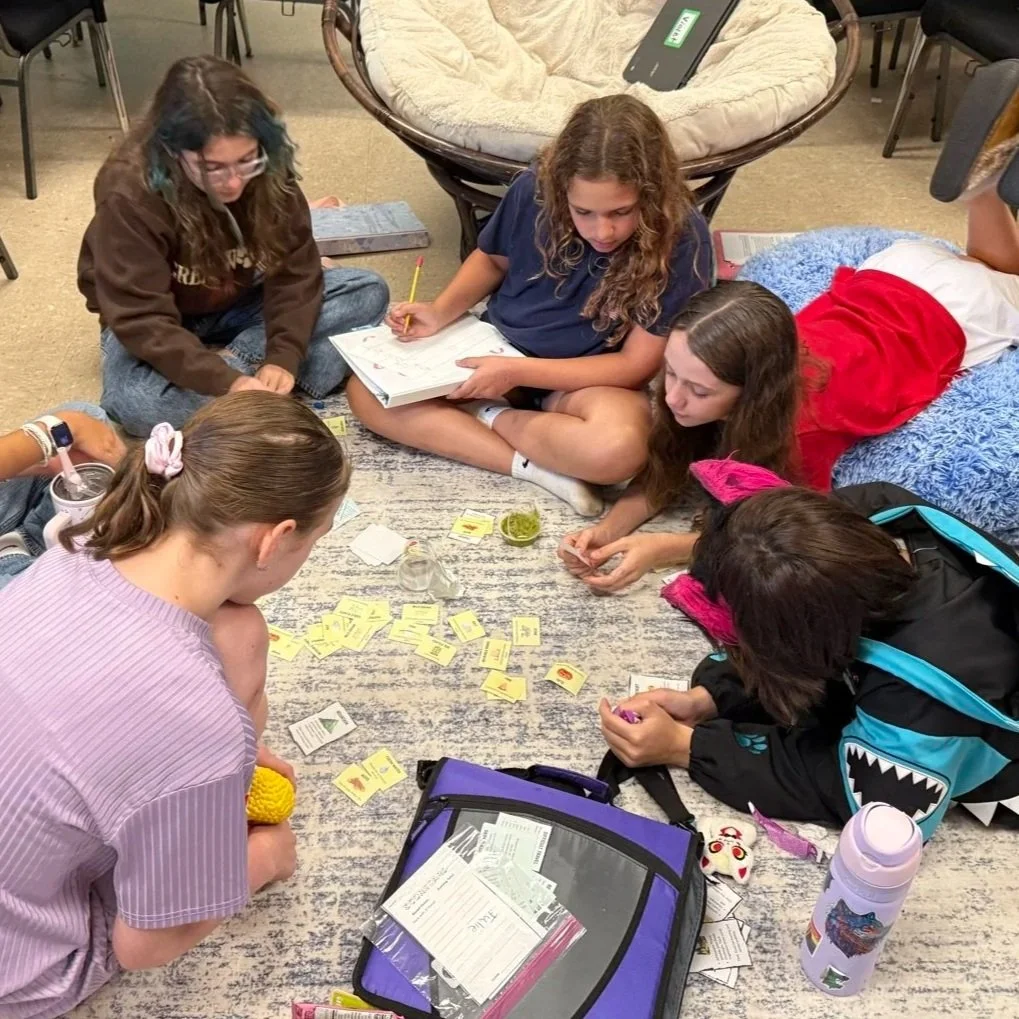
Through literature and informational texts, students develop increasingly sophisticated comprehension, vocabulary, analysis, discussion, interpretation, and critical-thinking skills.
Students learn to support their thinking with evidence, consider different perspectives, make connections, and communicate what they understand.
Strong Readers. Deep Thinkers.
Writing expectations increase throughout Middle School.
Students learn to organize increasingly complex ideas, develop arguments, explain information, respond to literature, conduct research, revise their work, and communicate with greater clarity.
The goal is to prepare students for the level of writing and communication expected in high school and beyond.
Writing With Purpose
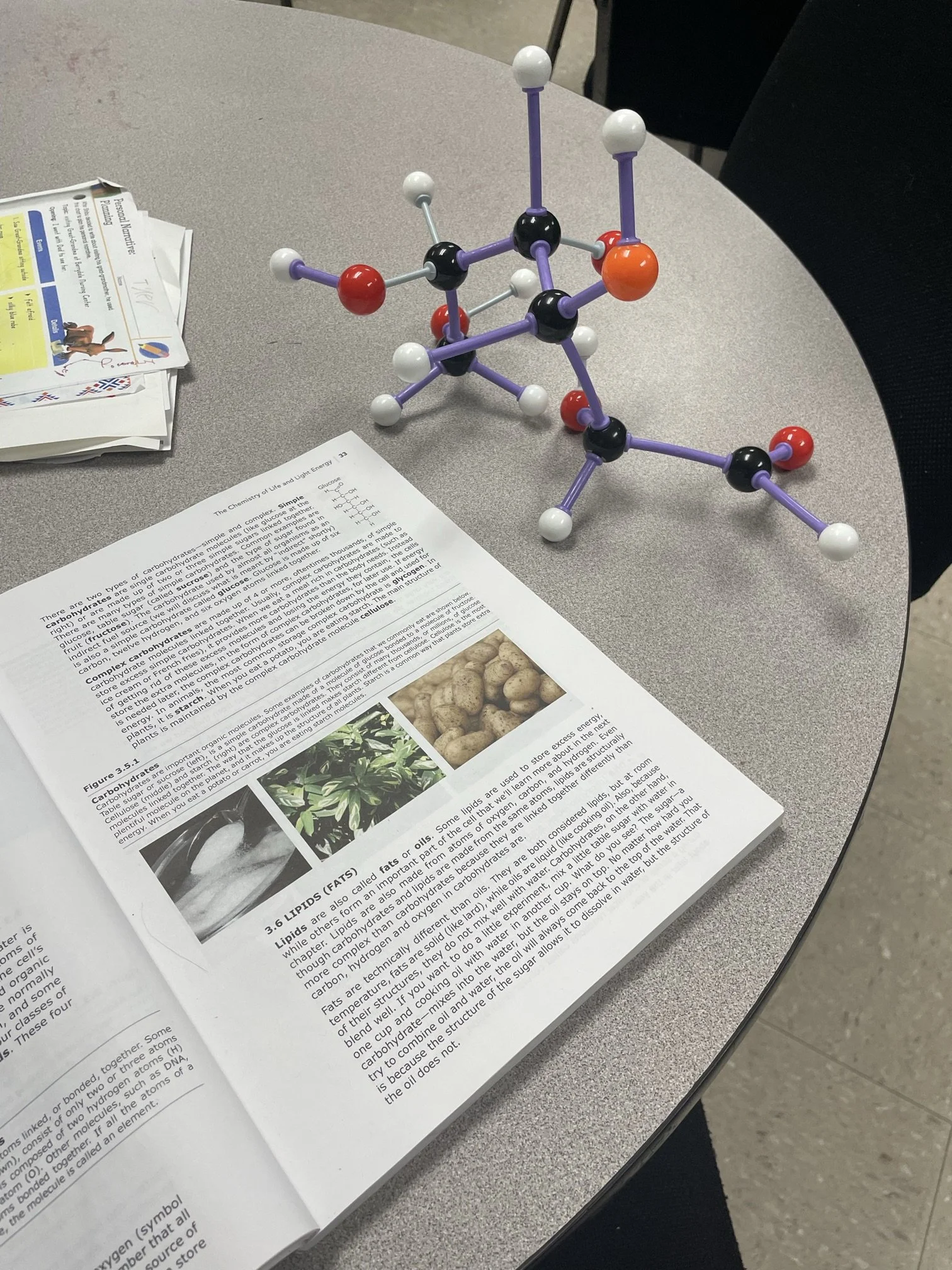
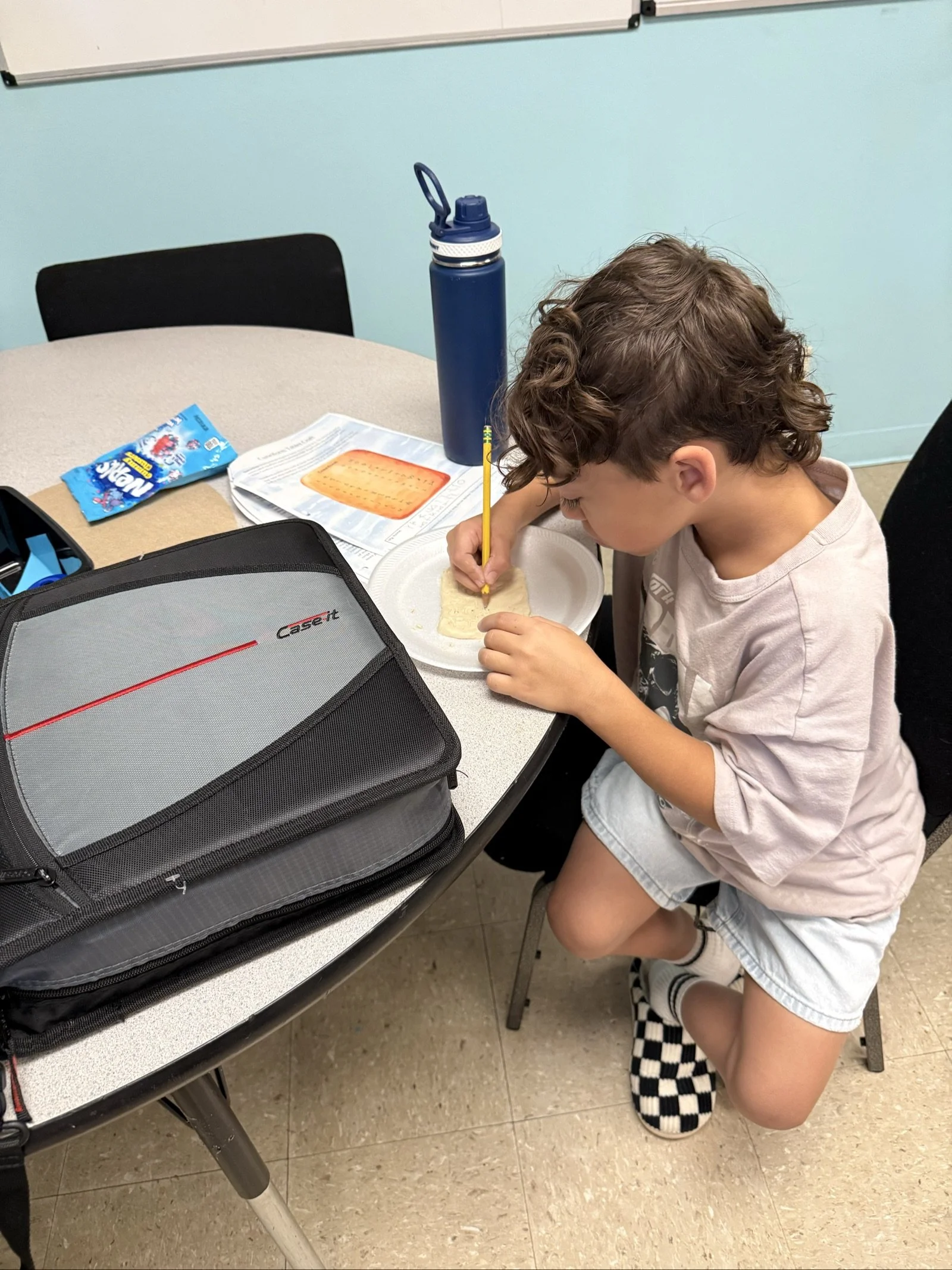
Middle School mathematics builds the bridge between foundational arithmetic and increasingly advanced mathematical thinking.
Students strengthen essential skills while progressing toward higher-level mathematics based on readiness and demonstrated mastery.
Depending on readiness and progression, students may move into Pre-Algebra, Algebra, and more advanced pathways as appropriate.
The goal isn't to rush students into advanced Math.
It's to make sure they have the foundation necessary to be successful when they get there.
Mathematics With A Path Forward
Middle School students engage with increasingly complex scientific, historical, geographic, and civic concepts.
Students are expected to do more than memorize information.
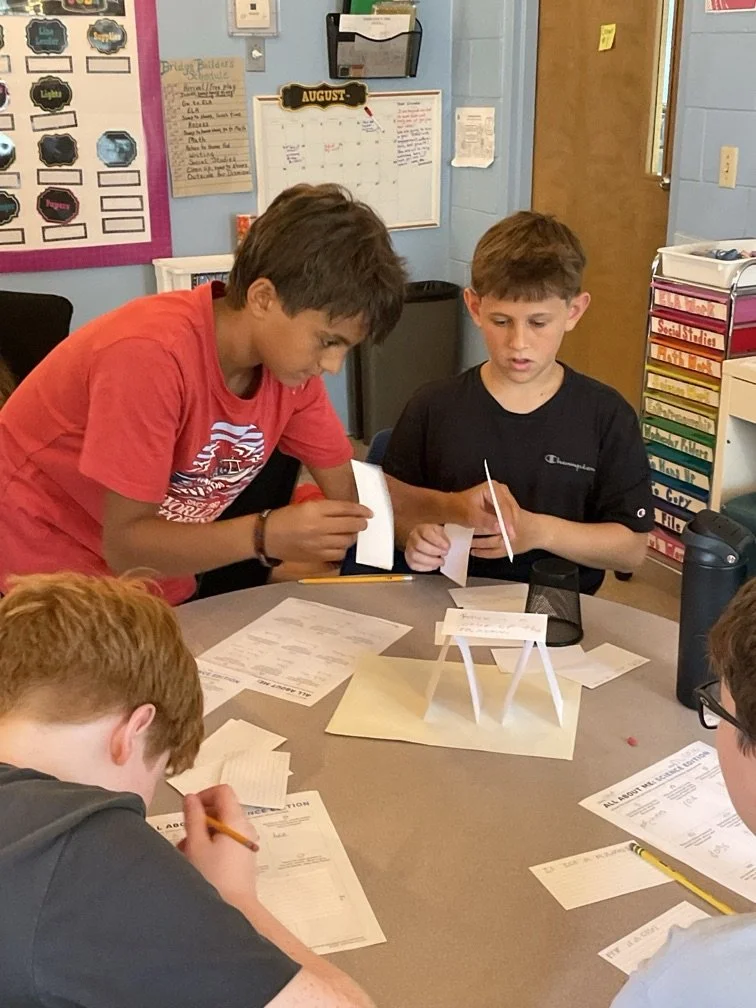
They learn to ask questions, analyze information, make connections, discuss ideas, support conclusions, and apply what they are learning.
Science + Social Studies
Independence is Part of the Curriculum
One of the biggest differences between Elementary and Middle at Lighthouse is the expectation for student ownership. Middle School students are increasingly responsible for:
Managing
Assignments

Completing Assignments
Managing
Time
Meeting
Deadlines
Studying
Conversing
Appropriately
Following
Through
Teachers still provide guidance and support. But we don't want students to reach high school having always depended on an adult to manage learning for them.
Middle School is also an important time for students to understand themselves as learners.
Students are encouraged to recognize when they understand something, identify when they need help, ask questions, use feedback, communicate with teachers, and take responsibility for their next steps.
These are skills they will need long after Middle School ends.
Lerning to Advocate for Yourself
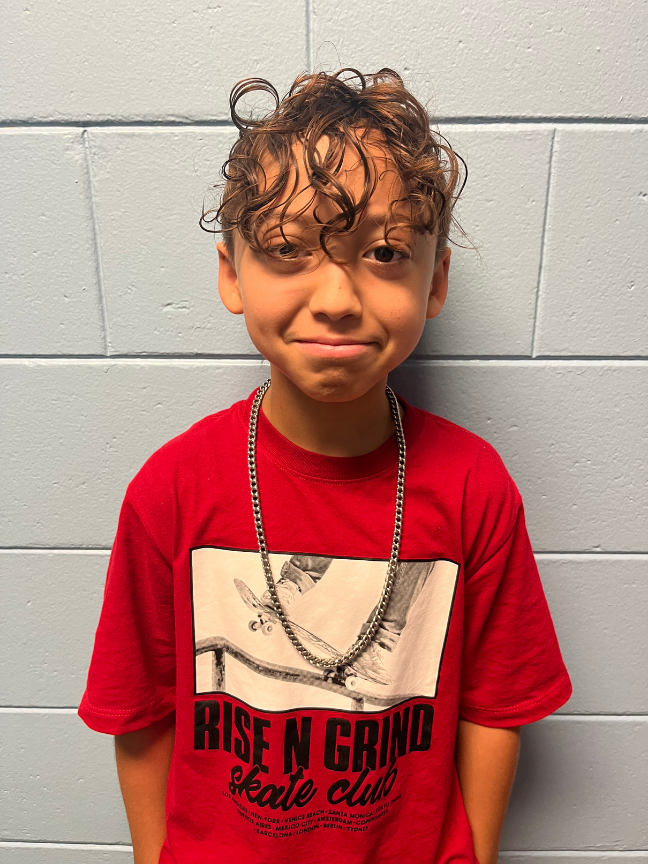
Increasing independence doesn't mean students stop needing relationships.
Middle School students still need teachers who know them, peers they belong with, adults who notice when something changes, and a community where they are valued.
Lighthouse intentionally maintains the small-community relationships that allow students to be known while gradually preparing them for greater independence.
Belonging Still Matters
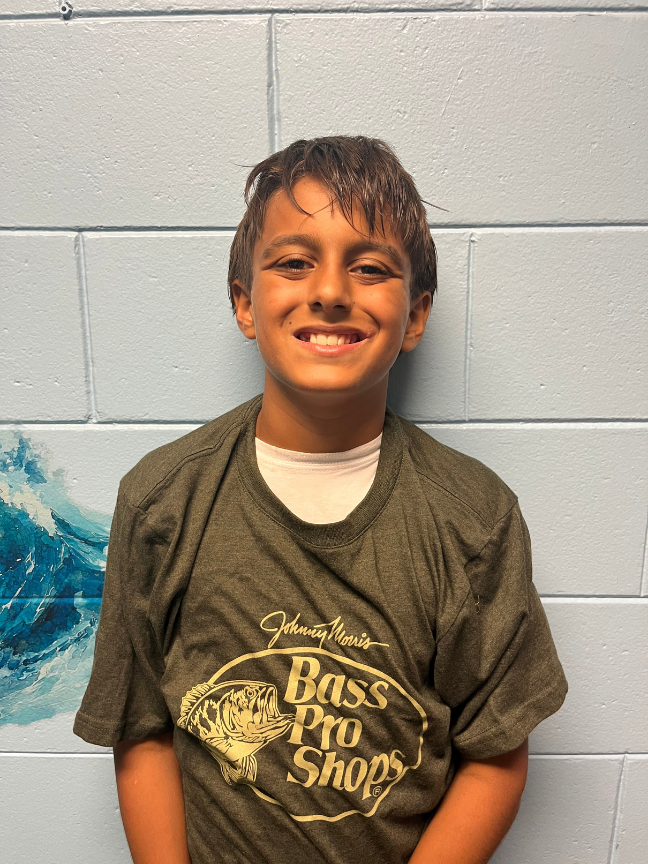
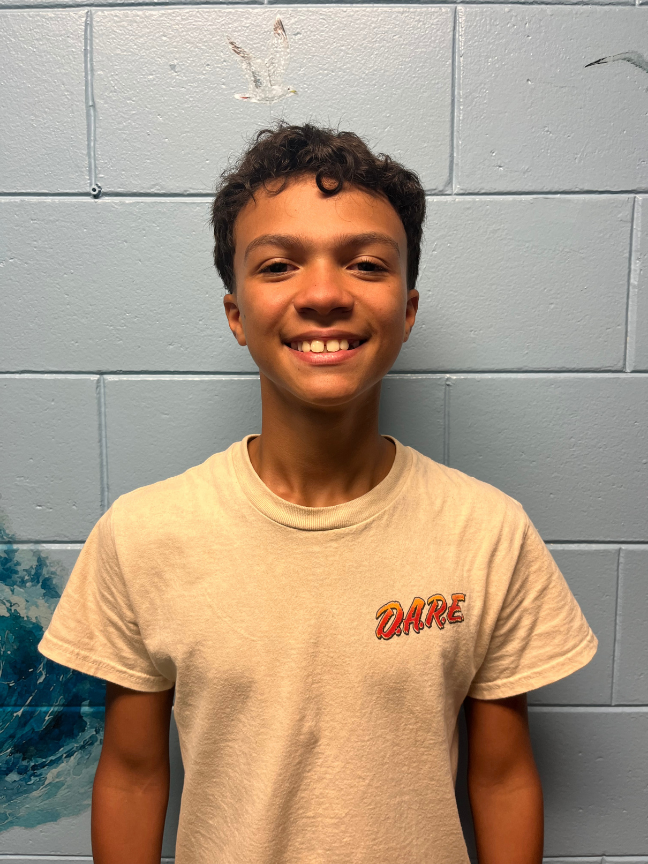
Our goal is for students to leave Lighthouse with more than completed coursework.
We want students entering high school with stronger academic foundations, greater independence, improved organization, confidence asking for help, experience managing responsibilities, and an understanding that their education increasingly belongs to them.
Middle School isn't simply about harder work. It's about becoming a more capable, independent learner.
Ready For High School—and More
Mastery Before Simply Moving On
In a traditional pacing model, an entire class may move to the next concept because it is time for the next lesson—even when some students haven't fully understood the previous skill and others mastered it days ago.
Mastery-based learning works differently.
At Lighthouse Learning, we want students to develop a strong understanding of essential skills before simply moving forward.
Teachers use student work, observation, assessments, practice, feedback, small-group instruction, and demonstrated understanding to determine what a student has mastered, where additional instruction may be needed, and what they are ready to learn next.